

Summary Points
- MIT’s energy conference emphasized interdisciplinary collaboration to accelerate a complex energy transition.
- Experts highlighted nuclear revival, carbon utilization, storage, and startups commercializing clean-energy technologies.
- Researchers advanced early-stage decarbonization science, quantum tools, and sensing for energy applications.
- AI data centers threaten grids; transparency and community benefits can build trust.
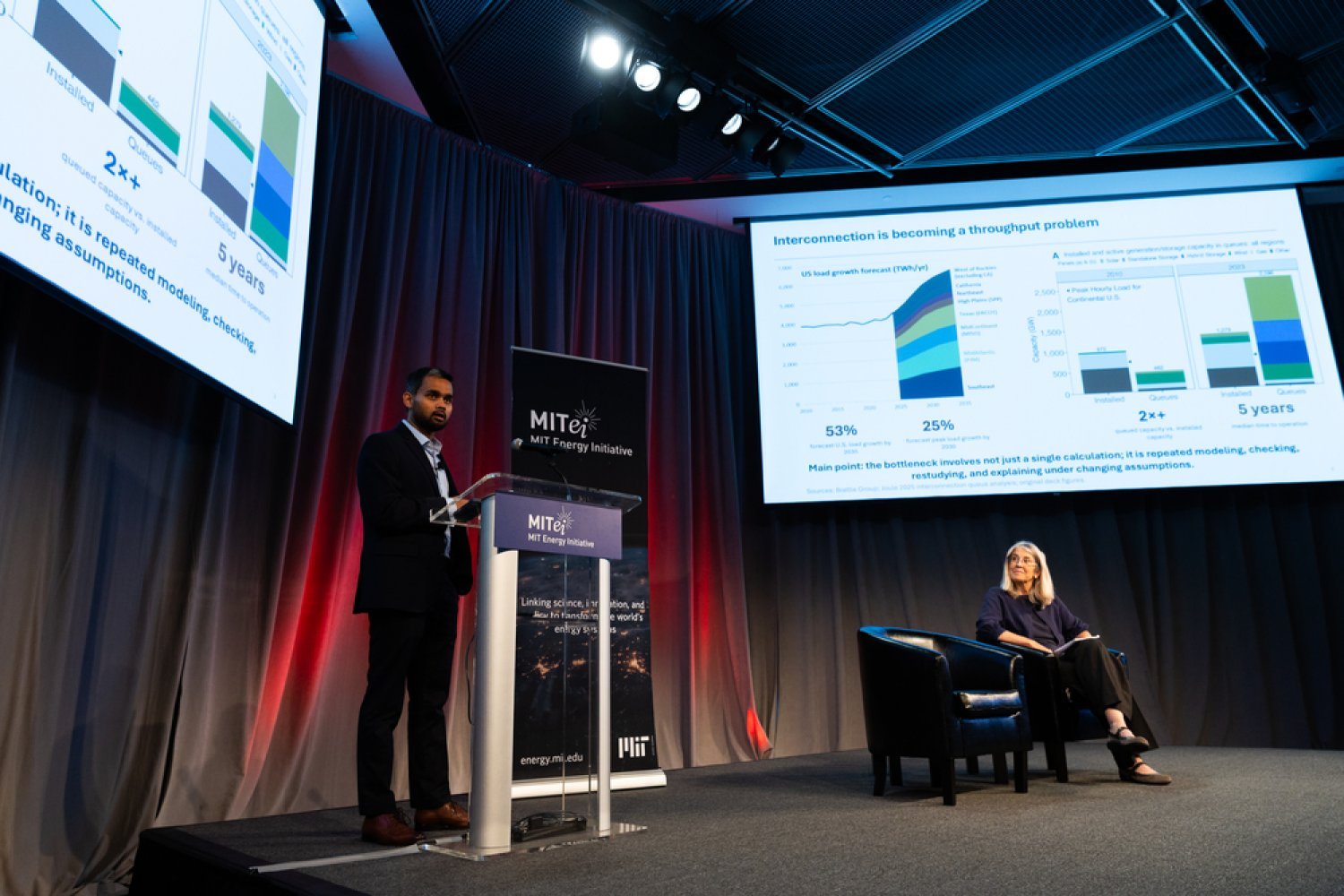
At its annual research conference Sept. 22-23, the MIT Energy Initiative brought more than 200 energy researchers, industry representatives and community-focused organizations together to examine a transition at a pivotal moment. The message was clear: Cutting emissions will take more than new inventions. It will require practical deployment, careful policy and public trust.
From near-term deployment to foundational research
Sessions covered technologies at different stages of development. Nuclear power featured prominently, including plans to restart a Pennsylvania plant and extend the operating life of France’s nuclear fleet. These projects show how existing technologies may supply electricity sooner, though they still require investment, oversight and planning for climate risks.
Researchers also explored ways to turn captured carbon into useful materials, including concrete and structural products. Such uses could help limit emissions, but they must scale: Small markets cannot absorb the large volumes of carbon that need management. Energy storage, meanwhile, remains essential as renewable power expands.
Startups presented tools for inspecting solar farms and power lines, optimizing electricity grids and extracting lithium from low-grade brines. Their path to market depends on solving problems that customers recognize—and proving that solutions work beyond pilot projects.
The conference also highlighted early-stage research, from hydrogen production to quantum sensing. These efforts may eventually improve energy systems, but fundamental science does not guarantee quick commercial results. Researchers must connect promising tools to specific, useful applications.
AI’s power demand puts trust to the test
Artificial intelligence could help improve efficiency and speed innovation. But the data centers behind it consume substantial electricity, and new facilities can strain grids, raise costs and increase pollution if fossil fuels supply the added power.
Conference speakers urged developers to share clear information about proposed facilities’ energy, water, land and community impacts. They also called for safeguards for ratepayers and credible local benefits, such as workforce training, infrastructure investment and clean-energy partnerships.
The challenge is to weigh AI’s potential against its growing resource needs. Data centers may support valuable services, but communities should have a meaningful role in decisions that affect them. A faster energy transition will depend not only on what technology can do, but also on whether it works at scale—and earns public confidence.
Continue Your Tech Journey
Learn how the Internet of Things (IoT) is transforming everyday life.
Explore past and present digital transformations on the Internet Archive.
QuantumV1
