

Summary Points
The 1989 cold-fusion claims collapsed after failed replications and scientific misconduct.
Muon-catalyzed fusion is real, but likely cannot produce net energy.
Exotic atoms let researchers probe quantum physics, nuclei, and possible new physics.
Their value may include medical isotopes and waste processing, beyond power.
Is There Anything Left in the Dream of Cold Fusion?
One failed claim, two different stories
The phrase “cold fusion” still carries the weight of a spectacular failure. In 1989, two chemists said a simple tabletop setup had produced more energy than a chemical reaction could explain. They proposed nuclear fusion at room temperature—and hinted at cheap, abundant power.
Other labs could not reliably repeat the result. Serious flaws in the original work, along with retracted claims and questionable conduct, helped discredit the field. The episode remains a warning: extraordinary claims need careful measurement, independent replication and honest reporting.
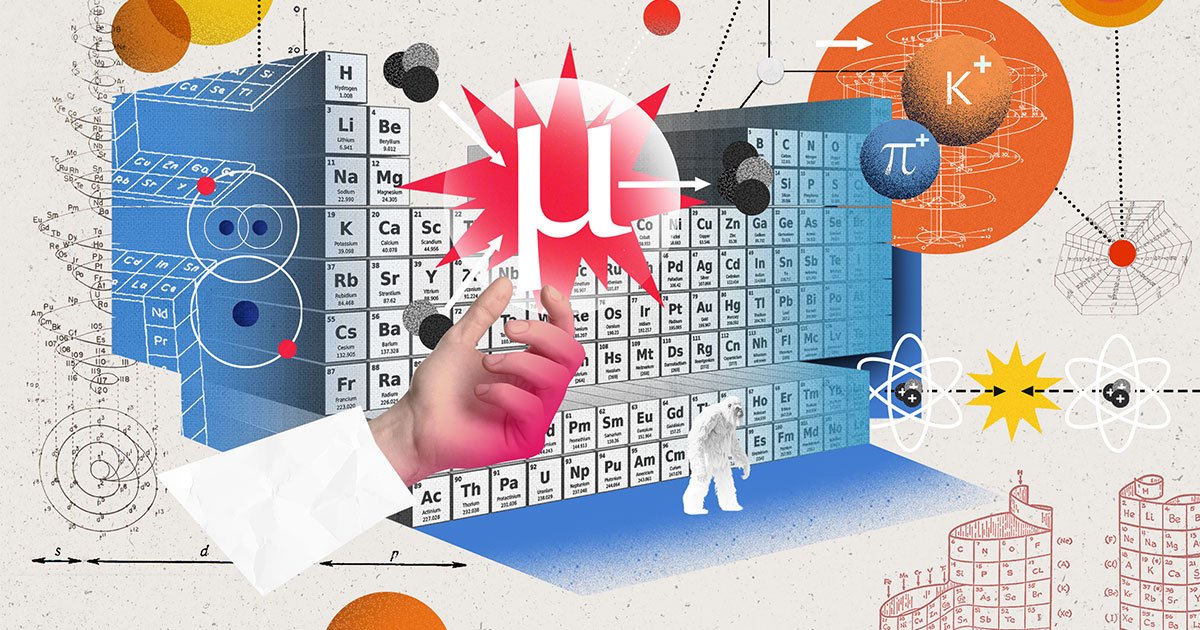
But the failure did not settle every question about fusion at low temperatures. Muon-catalyzed fusion is a different, established process. A muon, a heavy relative of the electron, can replace an electron in a hydrogen atom. The resulting atom is much smaller, bringing nuclei close enough to fuse without the extreme heat used in conventional fusion experiments.
That is real fusion. It is not a practical power source today.
More than an energy bet
The obstacle is the muon itself. It lasts only about two millionths of a second. Although it can help trigger several fusion reactions before it decays, researchers would need it to catalyze roughly 300 reactions to produce more energy than the process consumes. That remains out of reach. Producing muons also takes energy, which makes the economics even harder.
So the dream of a simple, clean reactor fueled by seawater is not close to reality. Conventional fusion also faces major engineering and cost challenges. Neither route has yet delivered abundant commercial power.
Still, research can matter without meeting that headline goal. Muon-catalyzed fusion brings atomic, molecular and nuclear physics together. Exotic atoms—formed when particles such as muons or antiprotons replace electrons—can help scientists test fundamental theories and examine atomic nuclei. Researchers have also proposed using fusion products to make medical isotopes or help process nuclear waste, though those applications need further development.
That is the more defensible legacy of cold fusion: not a promise of limitless energy, but a reminder to judge research by more than its biggest claim. A field can fail as a power technology and still open useful questions. The key is to keep the evidence clear, the practical limits visible and the original hype out of the way.
Continue Your Tech Journey
Explore the future of technology with our detailed insights on Artificial Intelligence.
Access comprehensive resources on technology by visiting Wikipedia.
QuantumV1
