

Essential Insights
- Uber is piloting Uber Kids for children aged 10–12 in Austin, Nashville and Madison.
- Parents or guardians must book the ride and be present at pickup; trips have one destination.
- Guardians can monitor rides through a live in-car video feed, accessible only to them and Uber safety agents.
- Only selected, trained drivers can participate, with extra pay; Uber has not said whether the pilot will expand.
A Parent-Booked Ride for Younger Kids
Getting a child across town can turn an ordinary day into a scheduling puzzle. A parent may need to stay at work. A caregiver may have two pickups to manage. Now, Uber is testing a service designed to help with one part of that challenge: booking a ride for a child ages 10 to 12.
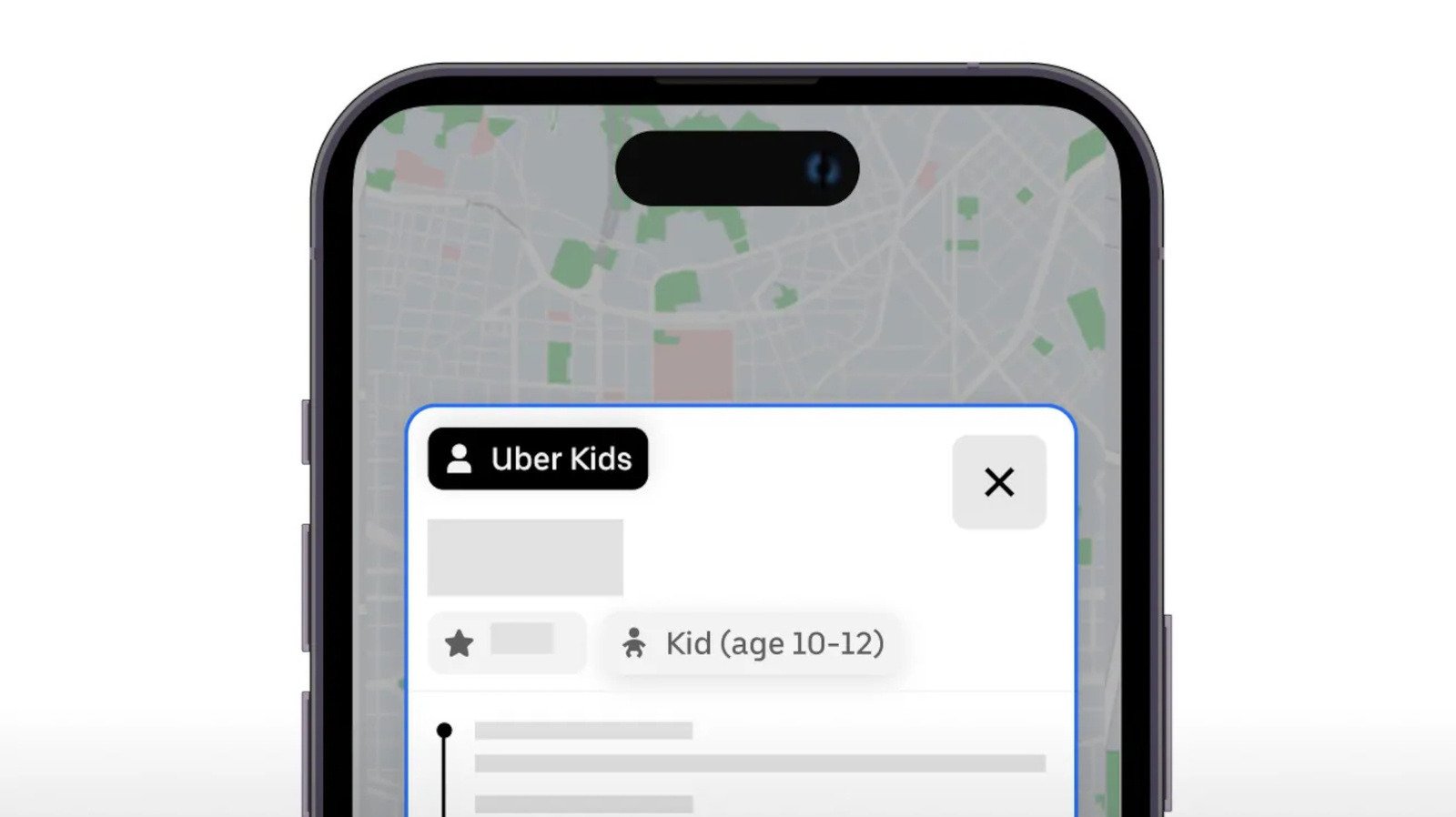
The company calls the service Uber Kids. It has quietly launched a limited pilot in Austin, Texas; Nashville, Tennessee; and Madison, Wisconsin. For now, families in other cities cannot use it.
Uber already offers Uber for Teens, which lets 13- to 17-year-olds book rides through their own accounts when they join a parent’s or guardian’s Family profile. Uber Kids works differently. Only a parent or guardian can book the trip, and that adult must meet the child at pickup.
That distinction matters. Younger riders get a ride arranged by an adult, rather than managing a booking themselves. A parent or guardian can also join the trip. Additional minors may ride along, too, if their own parents or guardians give permission.
More Visibility, With Clear Limits
Uber Kids adds tools that can help guardians keep track of a child’s trip. Like rides under Uber for Teens, the service gives guardians access to a live video feed from inside the car. Guardians can check in while the trip is underway. Uber says only the child’s guardians and its safety agents can view the feed. The driver receives a notification when Live Video starts.
The setup also asks more of drivers. Uber invites only highly rated drivers to take Kids trips, and interested drivers must complete a short course. They must enable audio and video recordings in the app and allow camera and microphone access for the live feed.
Those measures may reassure families who want more visibility during a ride. At the same time, a camera and microphone inside a car raise understandable privacy questions. Uber says it limits feed access, and it notifies drivers when the live video begins. Families and drivers will still need to weigh that added visibility against their comfort with in-car monitoring.
The trip rules also keep the service simple. Every Uber Kids ride must go to one destination. Drivers cannot make multiple stops. That restriction may suit a direct trip to school, an activity or a relative’s home. It offers less flexibility when a child needs to make several stops.
A Small Pilot With Bigger Questions Ahead
Uber will not send Kids requests to every driver on its network. Instead, the company has set specific requirements for drivers who want to participate. To recognize the extra steps, Uber will pay $7 more than the fare for a standard UberX trip. Drivers will also receive an additional $20 for their first Kids trip.
For parents, the service could add another option when schedules clash or a trusted adult cannot provide a ride. Still, Uber Kids does not replace a parent’s role: an adult must book the trip and show up at pickup. The single-destination rule also means families will need another plan for errands or routes with multiple stops.
For drivers, the added pay may help offset the training and technology requirements. However, the pilot will also test whether enough drivers want to take on trips with extra safety and monitoring steps.
Uber has not said whether it will expand the program beyond its three pilot cities. For now, the test gives families and drivers a first look at a more closely monitored ride option for younger children — and gives Uber a chance to learn what works before it makes any wider plans.
Stay Ahead with the Latest Tech Trends
Stay informed on the revolutionary breakthroughs in Quantum Computing research.
Explore past and present digital transformations on the Internet Archive.
CellphonesV1
