

Top Highlights
-
Rising Fatalities: Over 100 lives have already been lost in air crashes this year, following a record year in 2022 with 318 deaths across 11 incidents, showing an alarming trend in aviation safety.
-
Human Error Culprit: Approximately 80% of aviation accidents stem from human error, primarily pilot mistakes, highlighting the urgent need for enhanced safety protocols and technology in air travel.
-
AI’s Role in Safety: Experts believe AI can significantly improve aviation safety by augmenting human decision-making, enhancing situational awareness, and minimizing errors, although widespread adoption remains a challenge.
- Future of Autonomous Flight: While the development of self-flying planes and autonomous air taxis is on the horizon, industry leaders caution that building trust and effective integration with existing systems will take time before these innovations become mainstream.
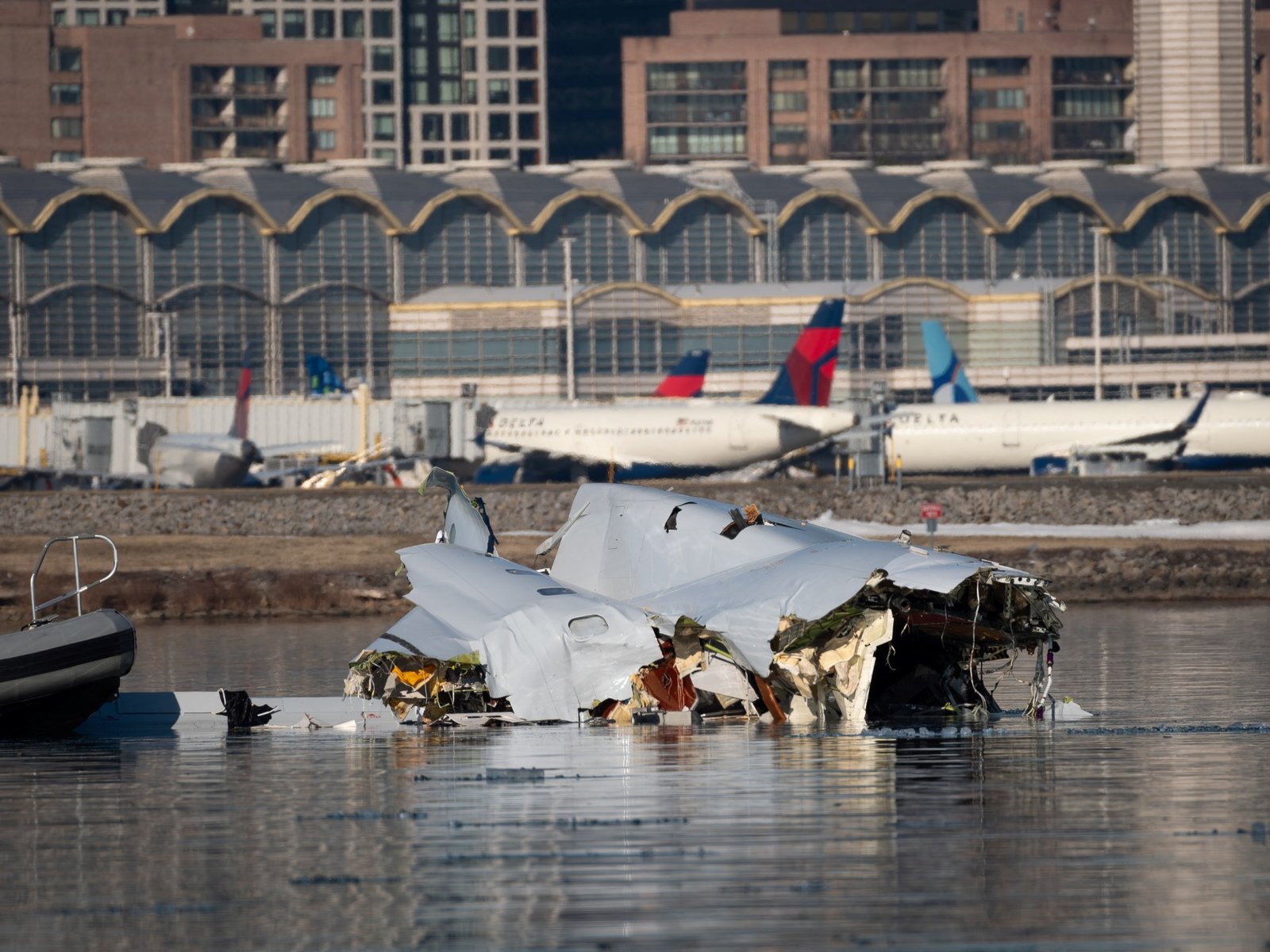
Air travel offers incredible convenience, but accidents do occur. Recently, we’ve witnessed more than 100 fatalities due to air crashes, including the tragic midair collision near Washington, DC. Such events reignite public fear, particularly among the 25 million adults in the United States who already dread flying.
While flying remains one of the safest modes of transportation, human error accounts for approximately 80% of aviation accidents. Tackling this issue through technological advancements is critical. Thus, can AI and automated systems play a role in reducing accidents and preventing loss of life?
AI is already making strides in aviation in various ways. For instance, experts like Freshta Farzam, CEO of LYTE Aviation, highlight its role in improving situational awareness and decision-making during flights. AI aids in air traffic control, collision avoidance, and even predictive maintenance to enhance safety. With 318 deaths recorded in 11 crashes last year alone, the integration of AI becomes increasingly vital.
Moreover, current statistics show that for every 1.26 million flights, there is only one accident. The aviation sector is continuously evolving and incorporating AI technologies. However, challenges remain. Regulations demand extensive data before new technologies can be utilized in commercial aviation. Amad Malik, chief AI officer at Airport AI Exchange, notes that while many technologies have been tested, they remain largely unintegrated into commercial aviation due to regulatory hurdles.
Nevertheless, the aviation industry anticipates developments like autonomous air taxis in the future. While these innovations excite many, they also raise concerns. Trust is a significant hurdle. Automated systems could potentially eliminate human errors caused by fatigue or misjudgment, but the transition to full autonomy will take time. CEO Dave Calhoun of Boeing emphasizes building confidence in these new systems and establishing reliable certification processes.
Moreover, many aircraft today use advanced autopilot systems with minimal human intervention. This level of automation is a solid foundation for future developments. However, successful implementation of AI into aviation requires seamless communication between AI systems and air traffic control, as Malik points out. A fully AI-driven system must effectively manage coordination in the airspace.
Expanding AI’s role in aviation may lead to safer skies. AI-powered co-pilots, for instance, could step in during emergencies, further reducing human errors. By combining technological innovation with skilled human pilots, we can create a safer future for all passengers. This new era of aviation not only holds the promise of enhanced safety but also a commitment to sustainable practices. In this evolving landscape, the ultimate goal remains clear: significantly reducing aviation accidents while improving the travel experience.
Discover More Technology Insights
Dive deeper into the world of Cryptocurrency and its impact on global finance.
Discover archived knowledge and digital history on the Internet Archive.
AITecv1
