

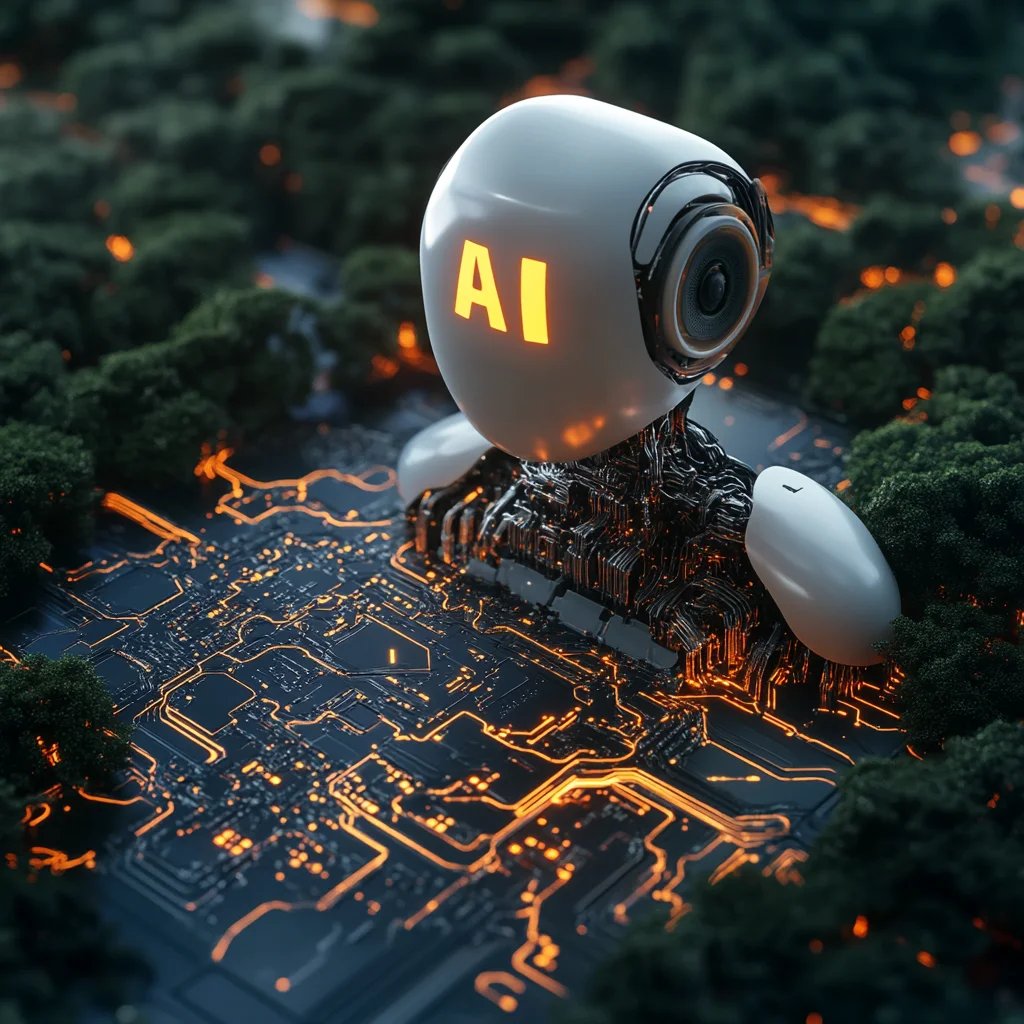
Summary Points
- Historically, retrenchments in tech spending are inevitable, and we should expect one soon, potentially after a period of intense expansion.
- A market crash could benefit AI by forcing more rational investments, but history shows such downturns also cause widespread economic harm.
- Despite past crises, tech innovation persisted, leading to major successes like Facebook and Amazon fueling future growth.
- Today’s AI boom heavily depends on massive data centers, but rising opposition, cheaper alternatives, and unproven scaling benefits pose significant risks to this costly infrastructure model.
What Needs to Happen for AI’s Big Investment to Pay Off
For AI’s trillion-dollar gamble to succeed, investments must turn into practical benefits. First, AI needs to become more affordable and accessible for different companies. This means reducing the high costs of building and running large data centers. Second, AI should show consistent real-world value, like improving healthcare, education, or everyday business. As AI proves its usefulness, more organizations will adopt it. Lastly, regulations must support innovation without creating excessive restrictions. If these steps happen, AI can grow responsibly and deliver on its huge promise.
Balancing the Risks and Rewards of AI Growth
Although huge spending has driven AI forward, history shows that bubbles often burst. When they do, many workers and companies face hardships. A crash might make the market smarter—encouraging more rational investments and better focus. On the other hand, history also teaches us that technology often bounces back and finds new paths. Innovation continued after the dot-com crash and the financial crisis. New ideas, like fiber-optic infrastructure, emerged from the chaos, supporting future growth. So, while risks are real, the resilience of technology suggests promising opportunities ahead.
Making the Future of AI Different from Past Bubbles
Today’s AI investments depend heavily on massive data centers fueled by trillions of dollars. Many experts question if scaling up buildings and hardware really makes AI smarter or if smaller, smarter models can do just as well. Public opposition and cheaper alternatives are growing. Red flags include the unstable relationship between big data-center investments and AI progress. Although the financial bubble may burst soon, AI’s core technology is likely to survive and evolve. Still, its future will probably look different—more sustainable, more focused, and less dependent on enormous capital.
Discover More Technology Insights
Dive deeper into the world of Cryptocurrency and its impact on global finance.
Discover archived knowledge and digital history on the Internet Archive.
AITechV1
