

Fast Facts
-
Milestone Discovery: Researchers have identified Yersinia pestis in a mass grave in Jerash, Jordan, providing the first genomic evidence linking the bacterium to the Plague of Justinian (AD 541-750), the first recorded pandemic.
-
Historical Impact: This finding resolves a long-standing mystery about the outbreak that killed millions, reshaping the Byzantine Empire and altering Western civilization, marking the first direct biological evidence of the plague’s presence in the region.
-
Pandemic Patterns: The study reveals that multiple pandemics, including the Black Death and modern cases, originated independently from animal reservoirs rather than a single ancestral strain, highlighting pandemics as recurring biological events influenced by human behavior.
-
Ongoing Relevance: The persistence of Y. pestis today, as evidenced by recent US cases, illustrates the enduring risks of pandemics, necessitating continued vigilance and research into historical and contemporary public health responses.
Unraveling Ancient Mysteries
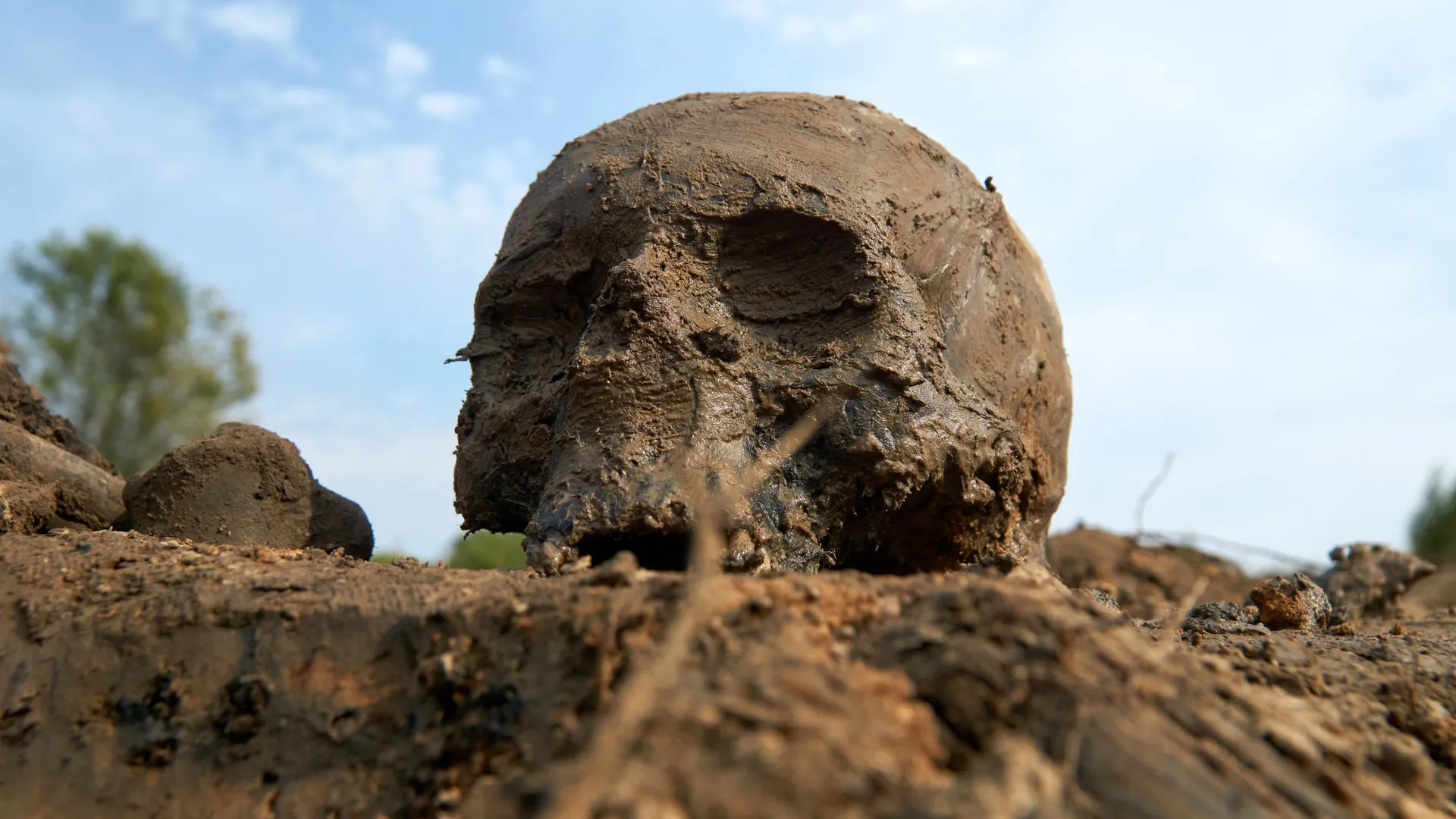
For the first time, researchers have linked the Plague of Justinian to a specific bacterium, Yersinia pestis. This significant discovery took place at a mass grave in Jerash, Jordan. The archaeological site lies near the epicenter of the pandemic that devastated the Byzantine Empire between AD 541 and 750. By analyzing ancient DNA, scientists uncovered direct genomic evidence of the pathogen responsible for this catastrophic outbreak. This landmark research answers a question that has puzzled historians for centuries: what caused this deadly pandemic?
The team utilized targeted ancient DNA techniques to extract genetic material from human teeth found in burial chambers. Their findings reveal a troubling uniformity among the plague victims’ strains, indicating a sudden and severe wave of mortality. As a result, researchers have established a clearer understanding of not only the Justinian Plague but also the ongoing risks posed by Y. pestis today. This bacterium, although rare, still circulates globally, reminding us that some pathogens remain a persistent threat to humanity.
Lessons for Future Pandemics
The research sheds light on how pandemics repeatedly emerge and evolve throughout history. Unlike the recent COVID-19 pandemic, which originated from a single spillover event, the various outbreaks of plague arose independently and repeatedly from long-standing animal reservoirs. This insight highlights the complexities involved in managing public health crises. Each pandemic tells a story of human connectivity, environmental change, and the need for vigilance.
Furthermore, the ongoing studies in Venice, Italy, promise to expand our understanding of plague and public health practices. Historical parallels drawn from these investigations will inform today’s strategies for managing infectious diseases. The research serves as a humbling reminder of our shared humanity across time. As we grapple with these recurring threats, we must acknowledge that the lessons learned during past pandemics remain vital to safeguarding our future.
Stay Ahead with the Latest Tech Trends
Stay informed on the revolutionary breakthroughs in Quantum Computing research.
Stay inspired by the vast knowledge available on Wikipedia.
TechV1
