

Quick Takeaways
- Apple’s WWDC keynote focused on parental controls but revealed limited new features.
- Users find Screen Time ineffective, often bypassed, and frustrating to manage.
- Updates include redesigned interface, but existing issues with controls persist.
- Parents seek reliable solutions, as current tools feel inadequate and cumbersome.
Apple’s Half-Hearted Approach to Screen Time Controls
Apple recently dedicated a significant portion of its WWDC keynote to parental controls. This focus came as a surprise for many. Despite the spotlight, Apple unveiled little that was genuinely new. Most of the announced features were minor upgrades or redesigns of existing options. This move seems more about managing perception than delivering real solutions. Amid growing scrutiny of tech giants for their roles in children’s screen time, Apple wants to appear responsible. Unfortunately, when it comes to Screen Time, it misses the mark.
For years, parents like me have grappled with ineffective parental controls. My experience with Apple products spans nearly a decade, and I have dealt with countless frustrations. Screen Time fails to provide reliable control over device usage. The only dependable way to limit screen time is to take away the devices themselves, a growing struggle as children enter their teenage years.
Years of Frustrations and Missed Opportunities
Apple has become synonymous with innovation, yet its parental controls remain lackluster. User forums overflow with complaints about Screen Time’s unreliability. Features like bypassing restrictions and inaccurate tracking plague the system. Even after significant updates, these issues persist. Only last year did Apple add a feature to alert parents when their kids alter the Screen Time passcode. This hardly reflects a robust solution.
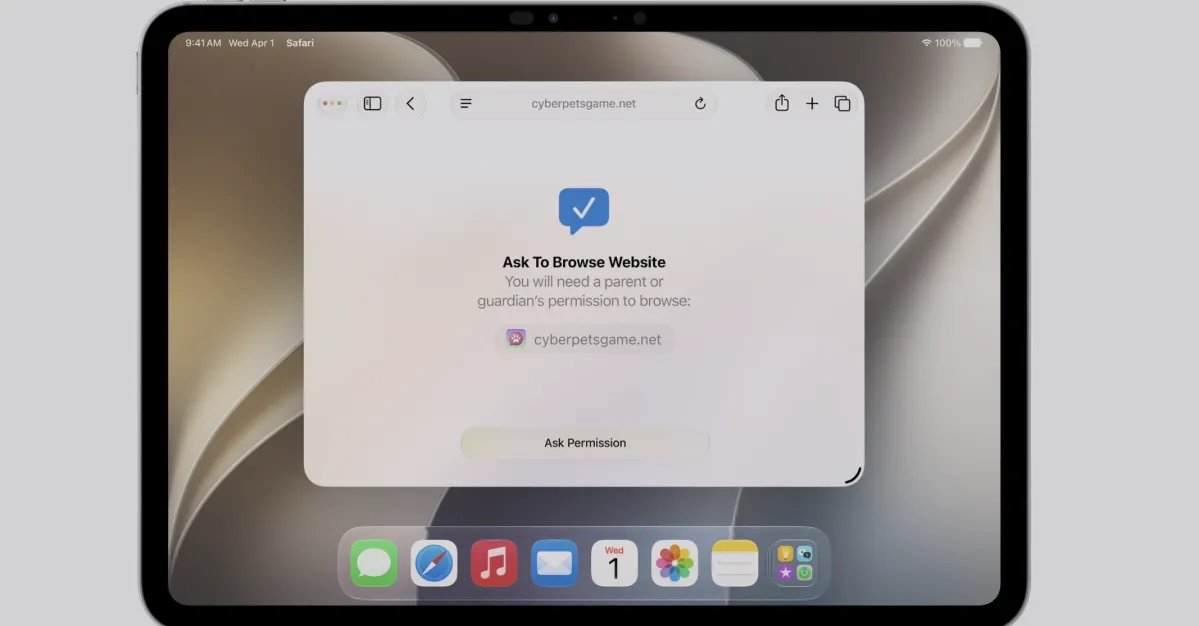
The upcoming iOS 17 changes to Screen Time offer a few potential benefits. The “Ask to Browse” feature could help monitor kids’ web activity. But parents still wrestle with the limitations of blocking individual sites. Constantly combating workarounds feels like a losing game of whack-a-mole. Additionally, the new Communication Limits aim to restrict contact options, which is useful but not without its own frustrations.
Apple’s focus on “Time Allowances” feels more like a band-aid than a real fix. While designed to guide parents on appropriate usage times per app, it does not address the fundamental problems. Parents want more granularity—certain apps should have different limits based on usage patterns.
Managing Screen Time quickly becomes a daunting task. The system’s complexity leaves many parents feeling overwhelmed. Apple missed an opportunity to create a standalone app that could enhance usability and security. Locking it behind Face ID would deter wily teens eager to outsmart parental controls.
If Apple aspires to be a leader in responsible tech use, it must first develop dependable and effective controls. Parents need tools that can truly support them in navigating the complexities of their children’s digital lives. Anything less than that falls short of the responsibility that comes with being one of the world’s most powerful technology companies.
Discover More Technology Insights
Dive deeper into the world of Cryptocurrency and its impact on global finance.
Stay inspired by the vast knowledge available on Wikipedia.
TechV1
