

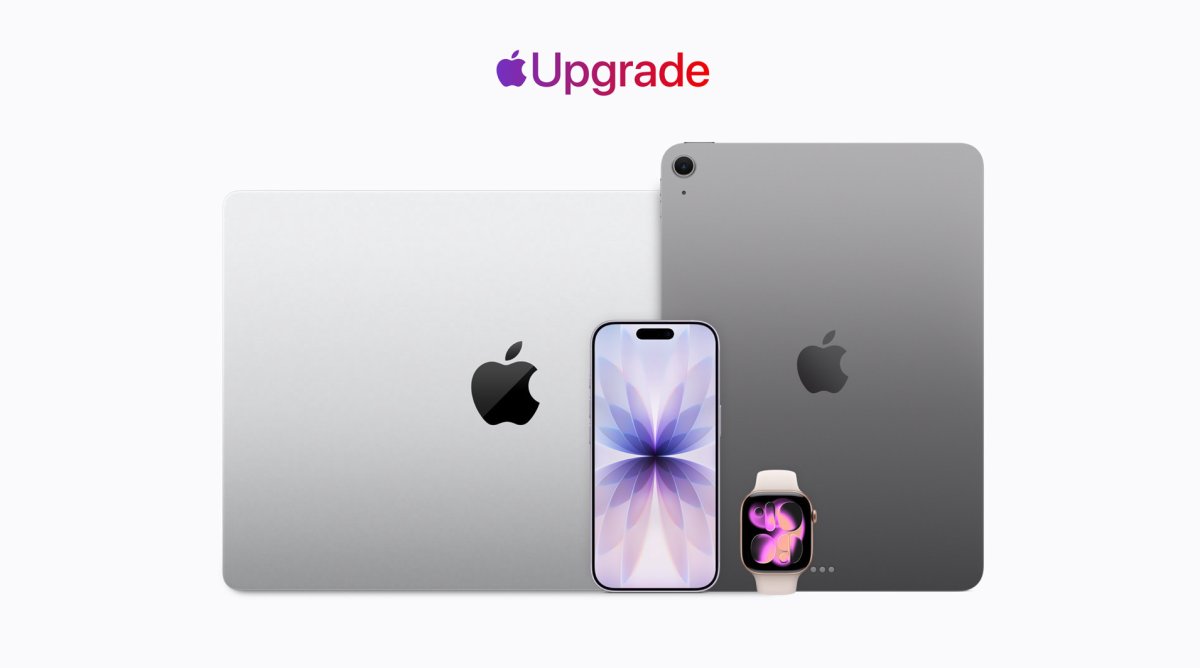
Summary Points
- Apple partners with Klarna for a new leasing program for devices.
- Leasing starts at $17.99/month for iPhone, $11.99 for Apple Watch.
- Customers can upgrade, purchase, or return devices at lease end.
- Existing financing programs are discontinued; trade-ins can lower monthly payments.
Revolutionizing Access to Technology
Apple’s new leasing program, developed in partnership with Klarna, marks a significant shift in how consumers engage with their technology. The Upgrade program offers an appealing alternative for those who find the latest devices increasingly expensive due to rising prices spurred by global supply chain disruptions. With leasing options starting as low as $11.99 a month for an Apple Watch, Apple aims to make its products more accessible to diverse income brackets.
This initiative comes at a crucial moment, as many individuals prioritize financial flexibility. As Apple raises prices for its Mac and iPad lines—largely due to the ongoing memory chip shortage—monthly leasing can soften the blow. Notably, equipment stays up-to-date, allowing users to upgrade regularly. At the end of the lease, customers can choose to upgrade, purchase, or return devices. This approach not only positions Apple to retain customers but also reflects a growing trend where affordability meets the fast-paced world of technology.
A Shift in Consumer Financing
Apple’s discontinuation of its previous financing options signals a clear pivot toward flexible leasing. Users can now manage leases conveniently through Klarna’s app, which adds a layer of control. This transition makes the process more straightforward for consumers, enabling them to track payment schedules easily.
Trade-ins further enhance affordability, helping customers lower their monthly lease payments through Apple’s Trade In program. Additionally, using an Apple Card earns customers 3% Daily Cash back, introducing an enticing incentive to stay within the Apple ecosystem. Despite these advantages, some potential users may question whether a leasing model aligns with long-term ownership preferences or if it promotes a culture of constant upgrades. This debate underscores an essential consideration in modern technology adoption.
As Apple embarks on this new path, it confronts the dual demands of innovation and affordability. The Upgrade program reflects a growing need for companies to adapt their offerings amidst changing consumer behaviors. Whether this strategy will succeed in the long run remains to be seen, but Apple certainly leads the charge in redefining how users purchase and interact with their technology.
Expand Your Tech Knowledge
Stay informed on the revolutionary breakthroughs in Quantum Computing research.
Explore past and present digital transformations on the Internet Archive.
TechV1
