

Top Highlights
NASA’s Armstrong Center pioneered supersonic flight in 1946.
Today, it tests the quiet, boomless X-59 aircraft over communities.
Center supports Artemis missions with aircraft for astronaut and rocket testing.
NASA Armstrong advances aerospace tech, research, and global environmental data collection.
Honoring Eight Decades of Flight Innovation at NASA Armstrong
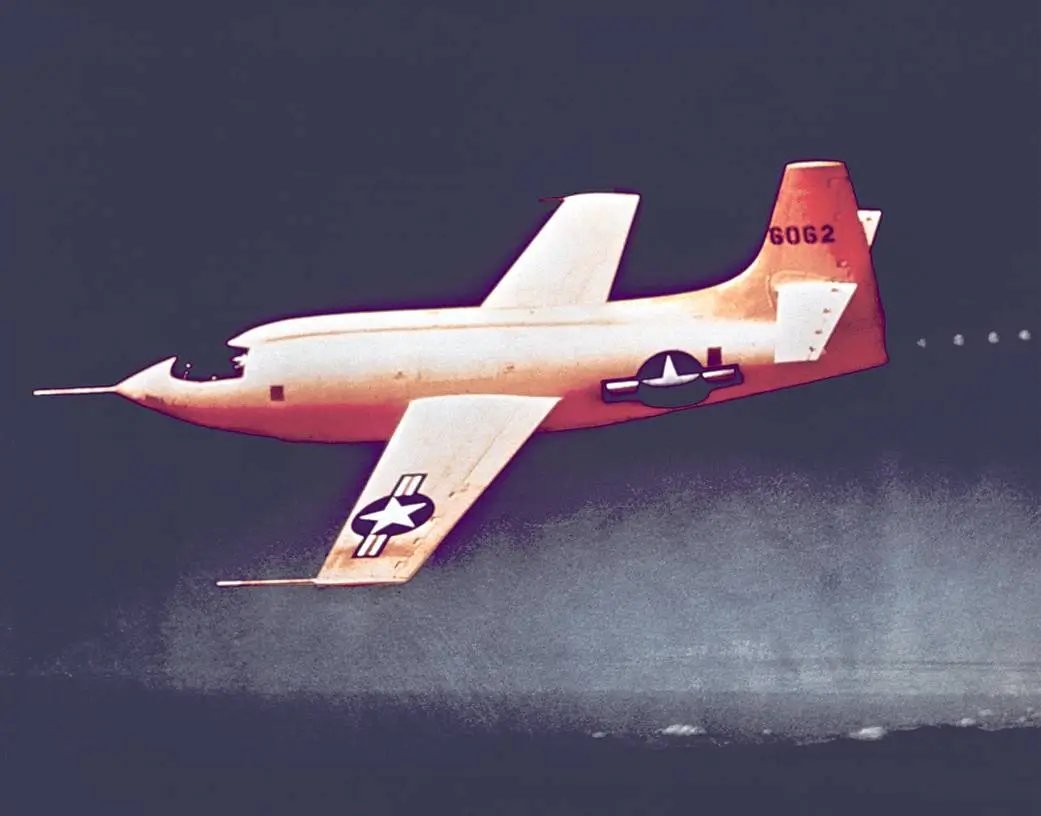
On September 30, 1946, a team of five engineers from the National Advisory Committee of Aeronautics (NACA) arrived at Muroc Army Airfield in California’s high desert. Their goal was to reach supersonic flight for the first time. Within less than two years, they successfully flew the groundbreaking X-1 aircraft faster than the speed of sound. This achievement marked a major milestone in aviation history, opening the door to new frontiers of flight and exploration.
Today, that same site is NASA’s Armstrong Flight Research Center in Edwards, California. Over 80 years, NASA Armstrong has become a hub of innovation. The center now flies the X-59, a supersonic X-plane designed to reduce the loud boom associated with breaking the sound barrier. This demonstrates NASA’s ongoing commitment to making supersonic flight quieter and more practical for everyday use.
Over the decades, the center has supported many key missions. It has hosted space shuttle landings, tested high-speed aircraft like the SR-71 Blackbird, and pioneered digital fly-by-wire technology. NASA Armstrong continues to advance science, aeronautics, and space research. It prepares for future flights and new technologies that will shape the next generation of aviation and human space exploration.
Leading the Future of Flight and Space Exploration
NASA Administrator Jared Isaacman recently named Armstrong as the agency’s Center of Excellence for Flight Test and Aircraft Operations. This recognition highlights the center’s skill in executing unique and challenging missions that only NASA can perform. Many of these missions support NASA’s Artemis program, which aims for a return to the Moon and beyond.
At Armstrong, researchers operate a variety of aircraft for different purposes. A modified Boeing 737 is used for testing astronaut spacesuits. The G-III aircraft helps collect data on heat shields needed for Artemis II. An F/A-18 fighter jet tests the autopilot system for NASA’s Space Launch System rocket. These versatile aircraft support critical tests that keep astronauts and hardware safe during deep space missions.
One of NASA’s most ambitious projects, the X-59, is undergoing extensive testing at Armstrong. The goal is to demonstrate quiet supersonic flights over U.S. communities, making high-speed travel more practical and less disruptive. The center’s work has also transformed commercial and military aviation through advances like digital fly-by-wire technology and safer flight operations.
Beyond aircraft development, NASA Armstrong plays a vital role in global science. The center operates aircraft like the ER-2, C-20A, and Gulfstream jets to gather essential data. This information helps monitor wildfires, glacier melt, pollution, and mineral deposits worldwide. The center’s work continually pushes the boundaries of flight and science to benefit society as a whole.
A dedicated team of engineers, pilots, technicians, and mission support staff drive these accomplishments. They continue exploring new ways to make flight safer, more efficient, and increasingly autonomous. Their efforts ensure NASA remains at the forefront of aerospace innovation, shaping the future of both flight technology and space exploration.
For more about NASA Armstrong, visit:
https://www.nasa.gov/armstrong
Discover More Technology Insights
Dive deeper into the world of Cryptocurrency and its impact on global finance.
Access comprehensive resources on technology by visiting Wikipedia.
Space
