

Quick Takeaways
- The total solar eclipse on August 12 brings excitement for astronomy enthusiasts.
- Perseid meteor shower peaks August 12-13; active from July 17 to August 24.
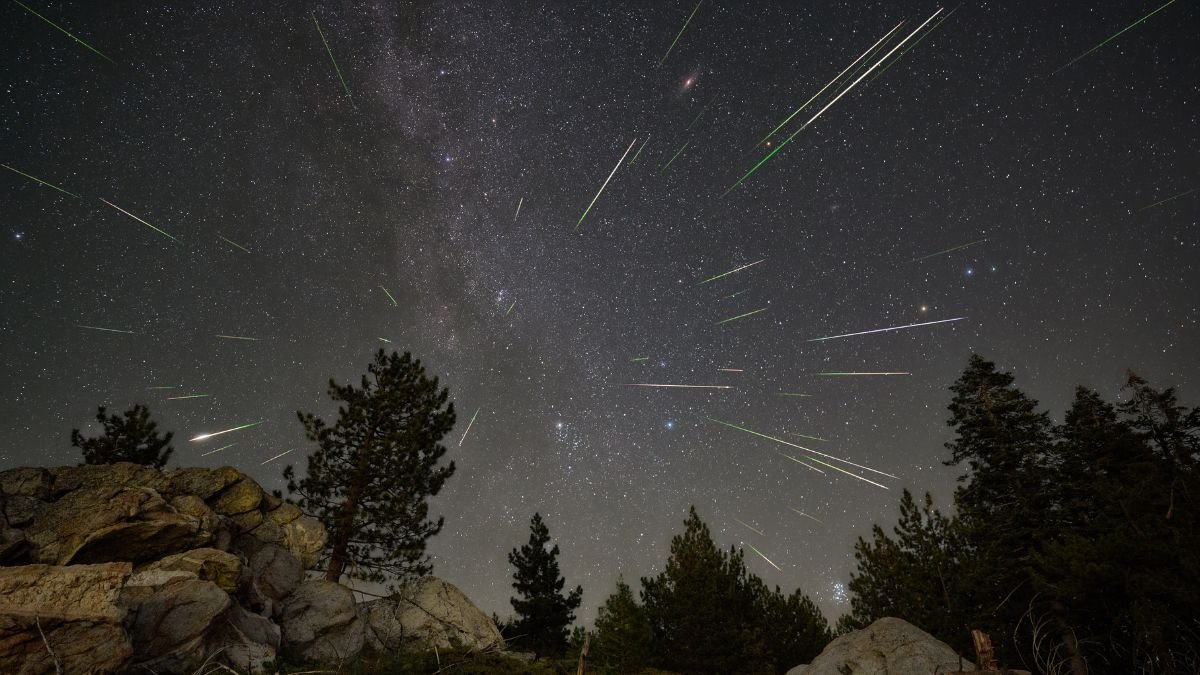
- Early Perseids surprise viewers, offering dramatic fireballs despite low meteor rates.
- Best viewing is after midnight, aiming towards the constellation Perseus in the sky.
The Perseid meteor shower starts this week. This annual event, renowned for its dazzling displays, offers a rare chance to witness the beauty of falling stars. While many focus on the peak nights, the shower is active from July 17 to August 24, allowing stargazers ample opportunity to appreciate these celestial wonders.
### Why Watch Now?
The Perseids steadily ramp up in activity leading to their peak on August 12-13. During this peak, observers can potentially see over 50 meteors per hour under ideal conditions. However, the weeks before the peak can be equally enchanting. Early sightings often feel spontaneous and magical, as unexpected meteors dart across the sky. The shower originates from debris left by Comet Swift-Tuttle, which last passed through the inner solar system in 1992 and will return in 2126.
In mid-July, the number of meteors may be low, but their quality can be high. It’s common to witness bright fireballs with longer tails, captivating your attention with their fleeting brilliance. As Earth moves toward the denser portions of the dust trail in August, the frequency and intensity of meteors will significantly increase.
### How and When to Observe
For optimal viewing, late night to dawn is the best time. The radiant point of the shower lies in the constellation Perseus, which rises higher in the northeastern sky during the early hours. While meteors can appear anywhere across the night sky, their paths will generally trace back to Perseus. This connection lends the shower its name and adds a sense of purpose to each watchful moment.
July is also home to other meteor showers, such as the Southern Delta Aquariids and Alpha Capricornids. While the Delta Aquariids can produce about 25 meteors per hour, the Alpha Capricornids are known for their spectacular, slow-moving fireballs. Unfortunately, moonlight from the Buck Moon on July 30-31 may drown out fainter meteors. Yet, even amidst the brightness, a few bright meteors will still shine through.
The Perseids provide a reminder that the cosmos holds beauty and mystery beyond occasional peaks. By taking time to look up early, stargazers can find joy in the unexpected wonders that the night sky can offer.
Stay Ahead with the Latest Tech Trends
Explore the future of technology with our detailed insights on Artificial Intelligence.
Access comprehensive resources on technology by visiting Wikipedia.
Space
