

Top Highlights
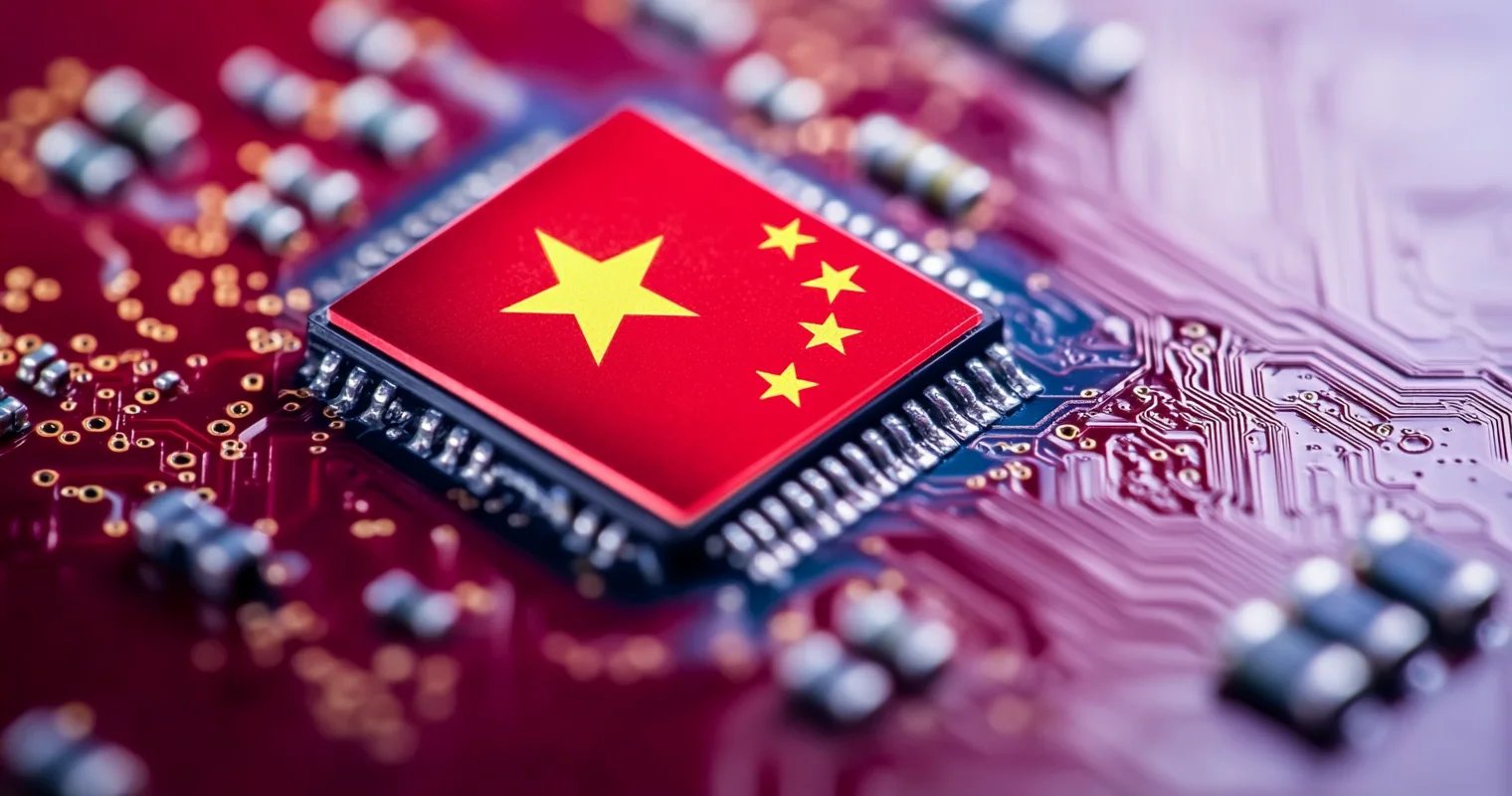
China’s proposed AI export controls seek tighter state control over strategic technology.
Analysts warn restrictions could cloud domestic developers’ global commercial prospects.
Companies may face short-term adaptation costs while pursuing international markets.
Measures reflect rising security concerns after cyberattacks and intensifying US-China competition.
China weighs control against global growth
China’s proposed export bans and controls on artificial intelligence technologies could reshape how its AI companies reach the world. Beijing wants tighter control over a sector with growing strategic value. Yet the policy may also complicate plans by Chinese model developers to serve customers abroad.
The timing matters. Recent cyberattacks have raised concerns about the risks of advanced AI. At the same time, both Beijing and Washington increasingly view the technology as a national security priority. Governments therefore face a difficult balance: encourage useful innovation while limiting the chance that powerful tools will cause harm.
For Chinese companies, the first effect may be practical and costly. They may need to review products, adjust business plans, or reconsider which technologies they can offer overseas. Those steps could slow expansion just as developers seek international customers. Smaller firms may find it especially hard to absorb the extra work.
Short-term friction, possible long-term gains
However, tighter controls could bring longer-term benefits if they help China protect sensitive technology and build a stronger domestic AI industry. Clear rules may also give companies a better sense of which products they can develop and sell. But that advantage depends on policies that remain workable and predictable.
There is a trade-off. If controls become too broad, they could limit revenue, partnerships, and the exchange of ideas that helps technology improve. Foreign customers may also look to other suppliers if Chinese products become harder to access. In turn, that could reduce the reach of China’s AI developers.
The wider question concerns how societies put AI to work. These systems may support tasks in fields such as research, education, and business. Their value depends not only on technical progress, but also on public trust and practical access. Rules that protect people without blocking useful applications could help AI serve more communities.
China’s proposal may create near-term strain for its technology firms. Over time, it could strengthen domestic capabilities—but only if policymakers balance security with the open exchange and commercial growth that help new technologies spread.
Expand Your Tech Knowledge
Dive deeper into the world of Cryptocurrency and its impact on global finance.
Explore past and present digital transformations on the Internet Archive.
TechV1
