

Quick Takeaways
- China is building a “national computing network” for AI infrastructure.
- Tokens processing AI data surged to over 140 trillion in March.
- AI costs are rising, prompting a shift towards public, accessible infrastructure.
- China’s government treats AI infrastructure as vital as water and power networks.
Building a National Computing Power Network in China
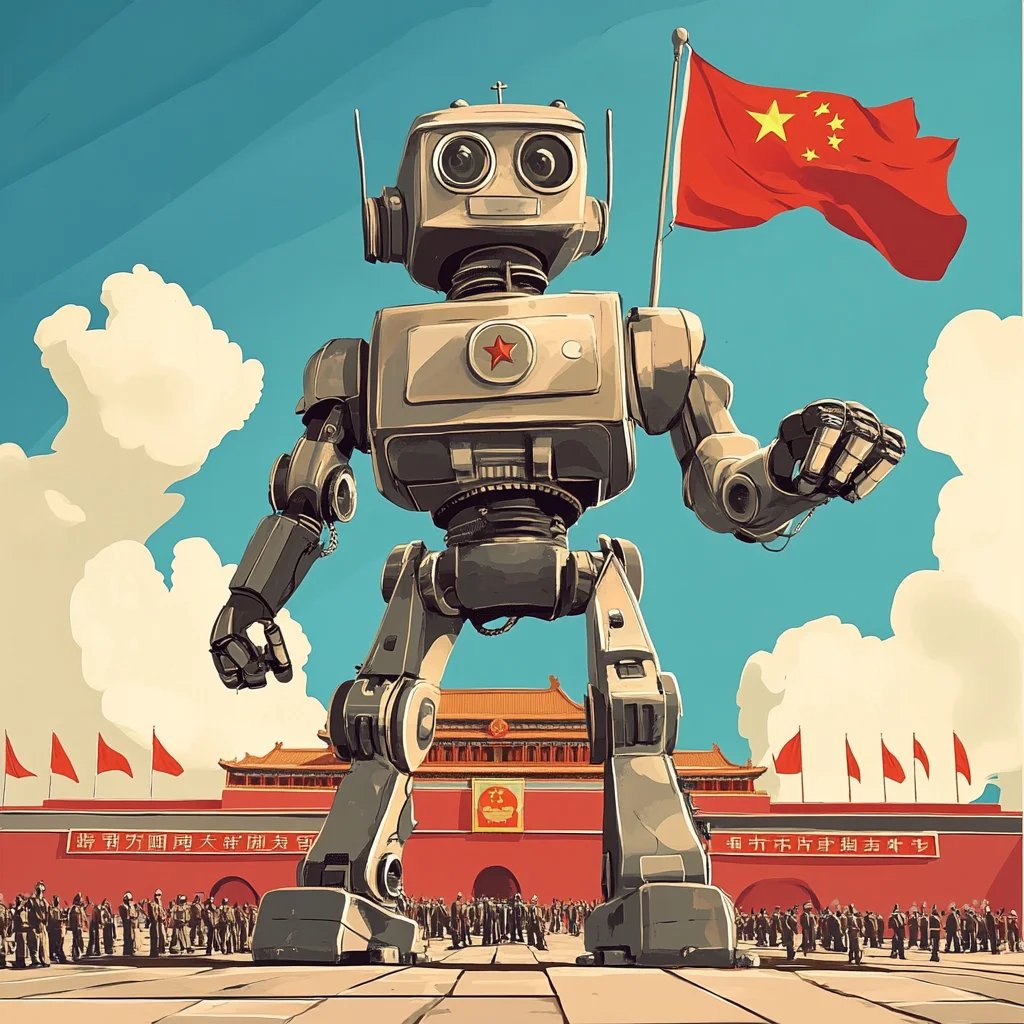
China is making a major move to develop a national computing network. This infrastructure aims to support artificial intelligence (AI) by making it more accessible and reliable. The government views this network as essential, similar to existing utilities like water and electricity. It will connect data centers and processing facilities across the country. The goal is to turn AI infrastructure into a public resource. This ambitious plan shows how seriously China is investing in future technology.
Recently, state media described this network as the “computing version of the state grid.” Just as the power grid supplies electricity, this network will supply computing power. This approach reflects a shift in how policymakers view technology infrastructure. Instead of leaving control in the hands of private cloud providers, they see it as a national asset. The move also aligns with efforts to boost economic growth through technology. Meanwhile, the surge in AI token use underscores the importance of efficient computing power. Tokens are the basic units processed in AI models, and their demand has skyrocketed.
Daily token calls in China reached over 140 trillion in March. That is more than 1,000 times the amount at the start of 2024. This spike indicates the rapid growth of AI applications. However, rising costs for AI models are now a concern for developers and businesses. Just like early mobile internet, slow speeds and high costs initially slowed progress. But the rollout of 4G and 5G networks eventually made mobile data cheap and widespread. China hopes to replicate this success with AI by building a robust, national computing infrastructure. This move could make AI more practical for everyday use and contribute to China’s tech leadership.
The Impact and Future of China’s Computing Infrastructure
The government’s push to strengthen these “six networks” is significant for the country’s future. Investment in this area is expected to top US$1 trillion in 2023. This funding aims to create a resilient, efficient system that supports AI development, urban infrastructure, and logistics. By doing so, China seeks not only economic growth but also technological independence.
Additionally, making AI infrastructure a public utility could encourage widespread adoption. Businesses and developers might find it cheaper and easier to access powerful computing resources. This, in turn, could accelerate AI innovation and innovation-driven industries. The approach may also inspire other nations to rethink the role of technology infrastructure. Overall, China’s efforts highlight how AI is transforming the landscape of digital resources. If successful, this initiative could be a major step forward in integrating AI into everyday life and supporting human progress.
Discover More Technology Insights
Explore the future of technology with our detailed insights on Artificial Intelligence.
Explore past and present digital transformations on the Internet Archive.
TechV1
