

Top Highlights
-
Cyberattack Impact: Intoxalock, a U.S. vehicle breathalyzer company, suffered a cyberattack on March 14, causing widespread vehicle lockouts for drivers reliant on their breathalyzer devices.
-
System Downtime: The company temporarily paused some systems, preventing necessary calibrations of devices, which are essential for starting vehicles.
-
Widespread Consequences: Affected drivers, from New York to Minnesota, reported being unable to start their cars, with some auto shops overwhelmed by vehicles left stranded due to the incident.
-
Lack of Details: Intoxalock has not disclosed specifics about the nature of the cyberattack, including if it involved ransomware or data breaches, nor provided a recovery timeline.
Impacts of Cybersecurity Breaches on Mobility
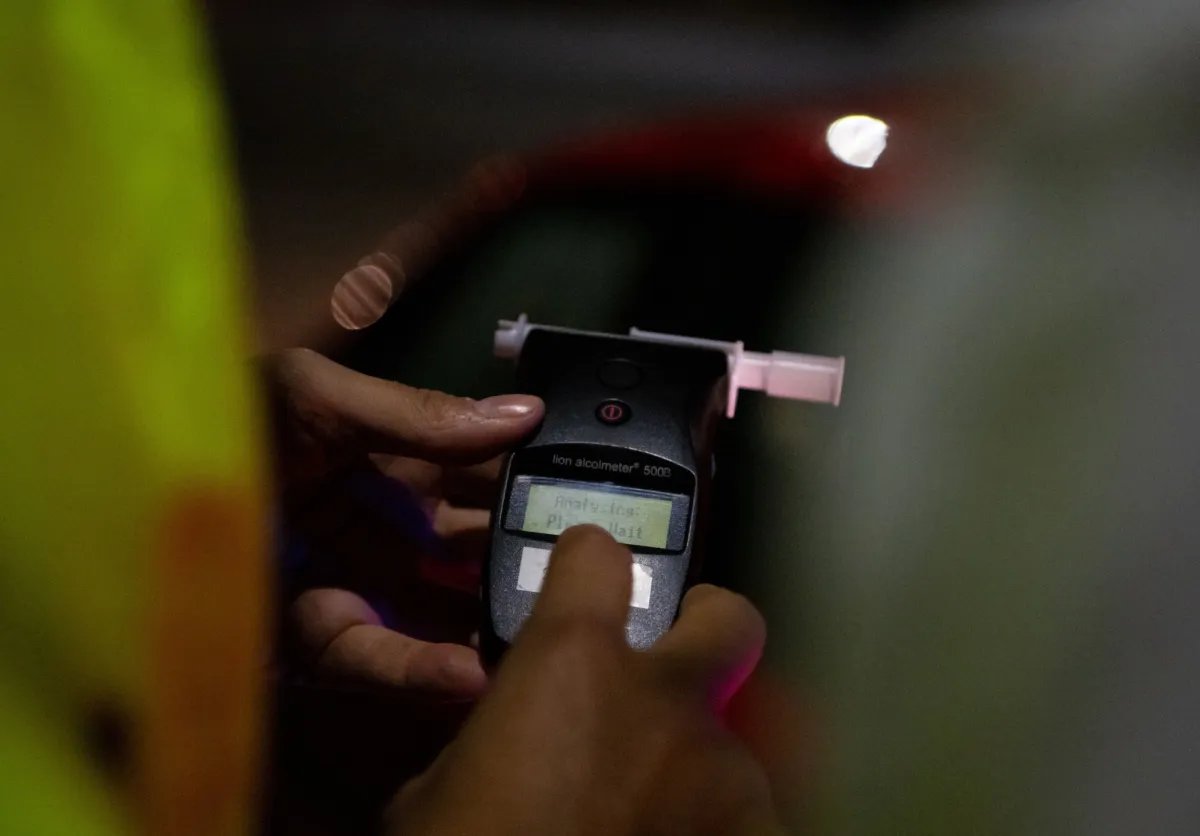
A recent cyberattack on Intoxalock, a key player in vehicle breathalyzer technology, has stranded drivers nationwide. This incident illustrates the vulnerabilities inherent in systems that connect technology with public safety. Intoxalock’s devices require a negative alcohol breath sample to start a vehicle. However, after the attack on March 14, the company went offline for maintenance, leaving many drivers unable to start their cars.
The consequences extend beyond mere inconvenience. Many drivers rely on these breathalyzers due to legal requirements. Local news reports indicate that from New York to Minnesota, those who missed scheduled calibrations find themselves in a tough spot. Auto shops report vehicles piling up in their lots. This situation highlights a gap in our transportation ecosystem where technology, while enhancing safety, can also create significant challenges when compromised.
Safeguarding the Future of Breathalyzer Technology
Intoxalock serves about 150,000 drivers each year across 46 states. The company has not disclosed specific details about the nature of the cyberattack or whether it involved a ransom demand. Consequently, this lack of transparency raises crucial questions about how companies can better protect sensitive systems. As more states adopt breathalyzer technologies, we must consider not only the benefits of sober driving but also how to safeguard users from unforeseen disruptions.
Stakeholders should prioritize cybersecurity as an essential component of technological development. Investment in stronger security protocols can prevent future incidents and bolster trust among consumers. All road users deserve reliable access to their vehicles, especially those with legal obligations tied to breathalyzer compliance. Enhanced prevention strategies can help integrate safety with mobility, ultimately contributing to a smoother human journey.
Stay Ahead with the Latest Tech Trends
Explore the future of technology with our detailed insights on Artificial Intelligence.
Explore past and present digital transformations on the Internet Archive.
TechV1
