

Essential Insights
- USB standards vary; icons and colors help identify speed and functionality.
- USB 2.0 is slow, while newer USB 3 and USB4 offer faster data transfer rates.
- USB-C and USB4 provide high speeds and support video, power, and data.
- Recognize symbols like Thunderbolt and Power Delivery for device capabilities.
The Meaning Behind the USB Trident Symbol
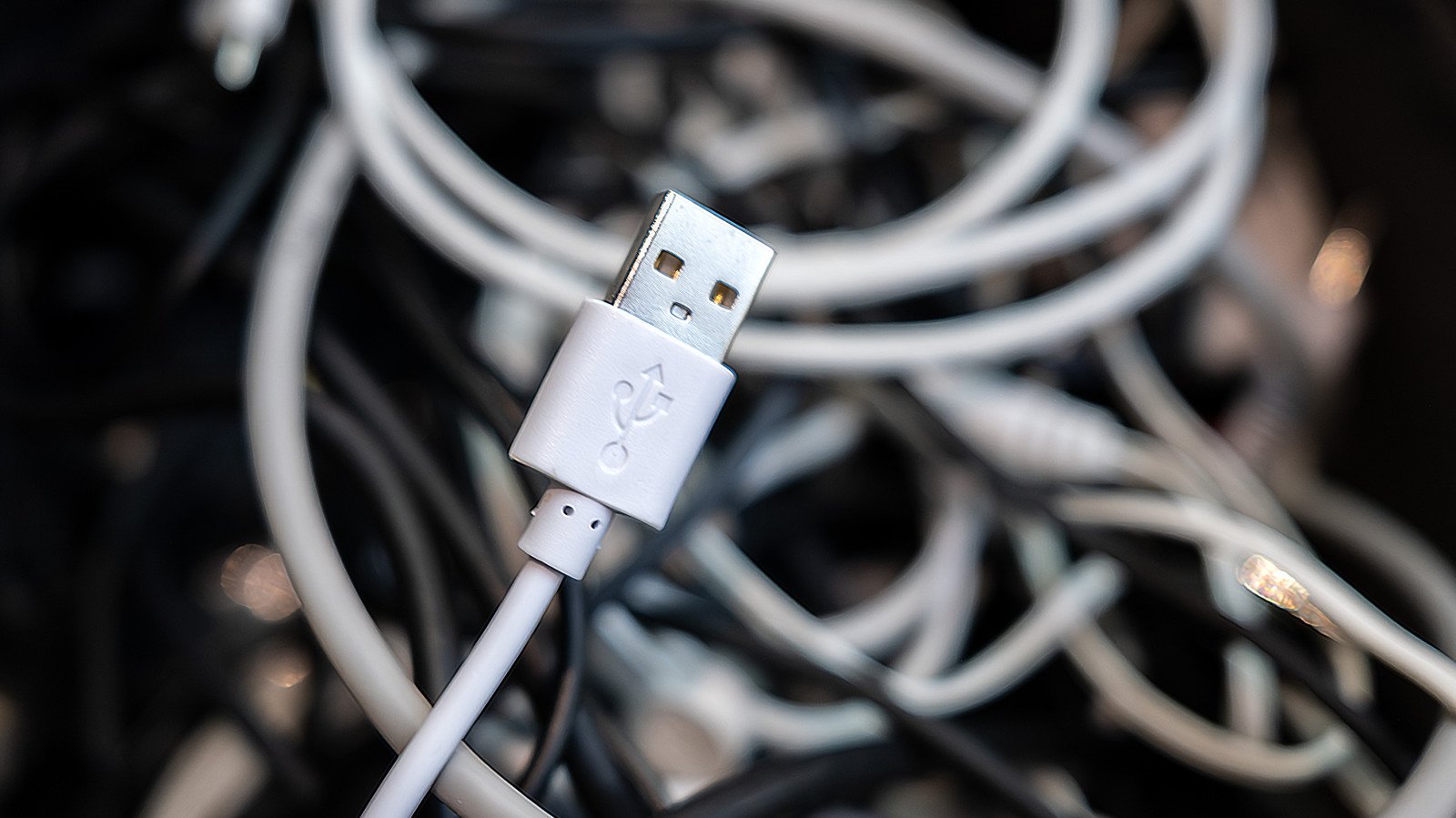
The USB trident logo has been around since the late 1990s. It mainly indicates the type of USB port or cable you are dealing with. When you see the trident alone, it usually shows you are looking at a USB 2.0 connection. This older version offers data speeds up to 480 Mbps, enough for simple devices like keyboards and mice. However, it tends to be slow by today’s standards.
As newer USB standards arrived, the trident symbol evolved. USB 3.0 introduced faster speeds at 5 Gbps, and the logo added “SS” to mark “SuperSpeed.” Later versions, like USB 3.1 and USB 3.2, kept the same logo style but with additional labels like “SS+” or “20Gbps” to show increased speed. The latest USB4 standard sometimes displays the trident along with a “20” or “40,” indicating 20 or 40 Gbps. These icons help users quickly identify the port’s capabilities at a glance.
How to Identify Your USB Port and Its Capabilities
Besides the trident symbol, colors and other icons can tell you more about your USB port. Most USB 2.0 ports are black or white. USB 3 ports usually feature a blue color, signifying faster data transfer speeds. Ports with red or purple colors often provide more power, even when your computer is off. These color codes can give clues but are not foolproof since manufacturers sometimes differ.
To get a better idea, look for additional symbols on the port. For example, a lightning bolt with an arrow shows Thunderbolt compatibility, which supports high-speed data, video output, and power delivery. A battery icon indicates support for Power Delivery, which charges devices efficiently. DisplayPort logos mean the port can handle video output in higher resolutions.
Understanding these symbols, colors, and labels helps you choose the right cable and port for your needs. With this knowledge, you can ensure faster data transfers and better device performance. Always check the specifications and manuals if you’re unsure about what your USB port supports.
Stay Ahead with the Latest Tech Trends
Learn how the Internet of Things (IoT) is transforming everyday life.
Discover archived knowledge and digital history on the Internet Archive.
TechV1
