

Essential Insights
-
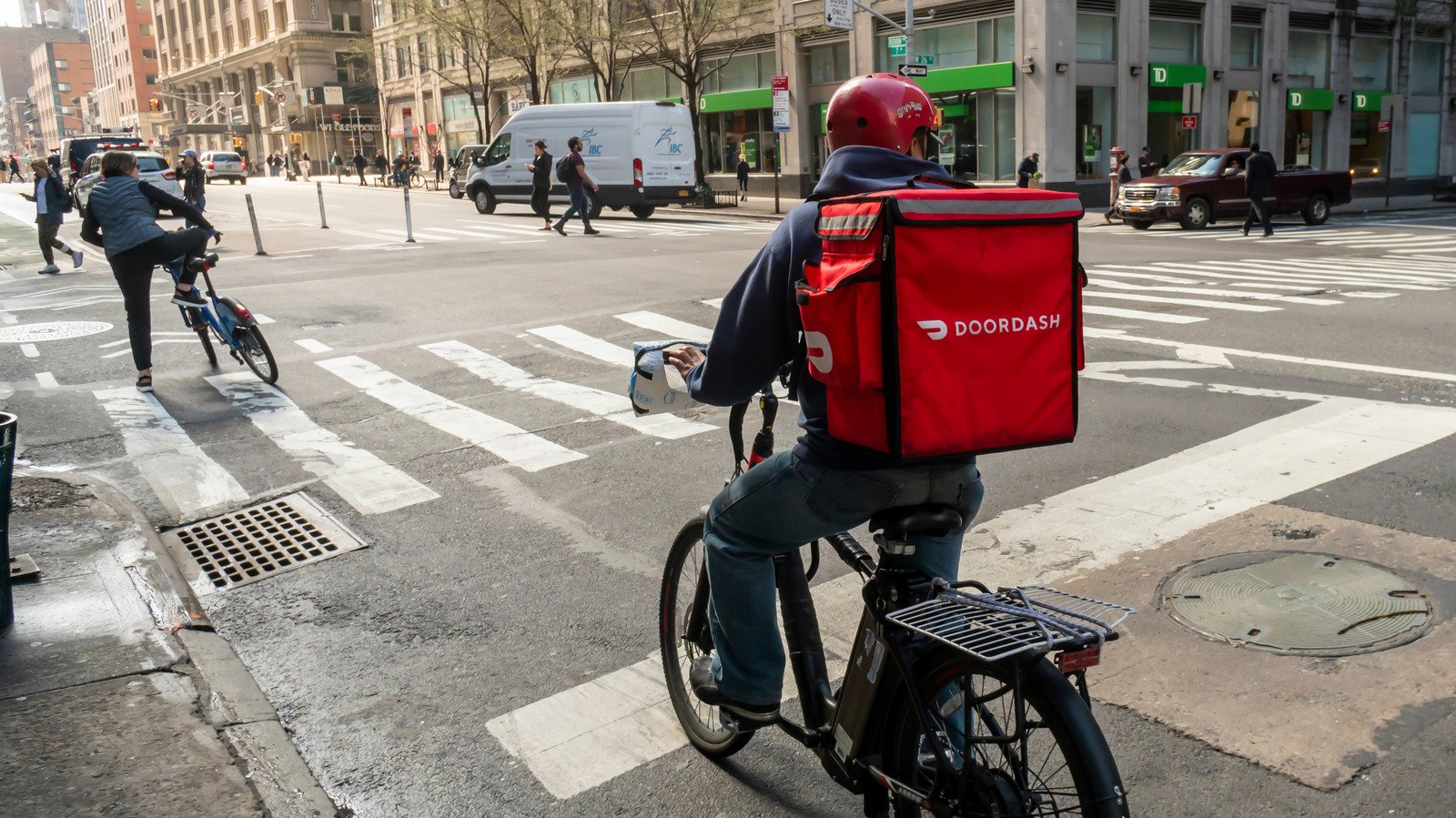
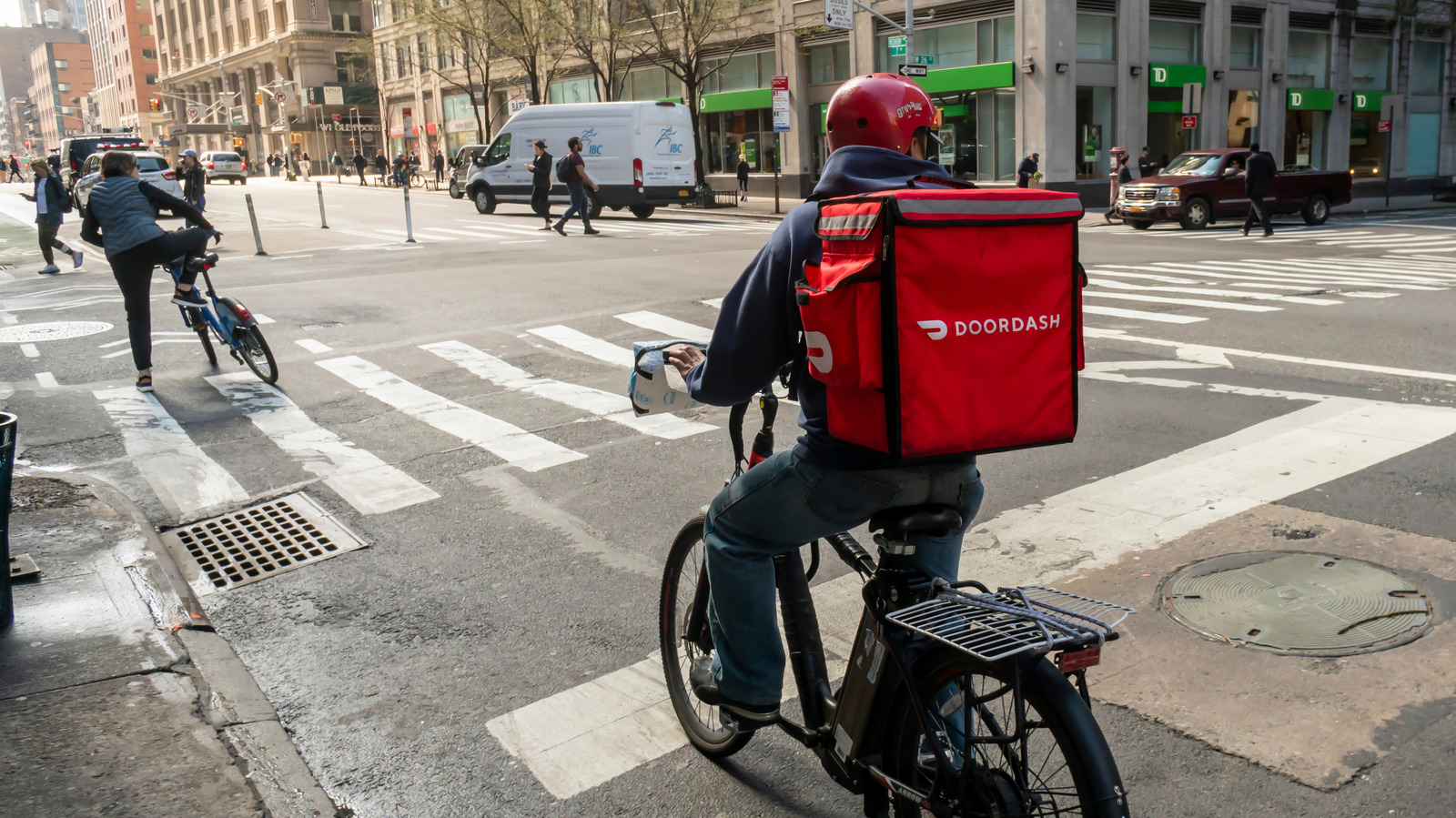
New York City mandates DoorDash to pay $131.5 million for violating minimum wage laws and failing to compensate workers properly.
-
The settlement includes over $115 million to approximately 260,000 workers, with payments set at roughly double their underpaid amounts.
-
DoorDash attributes pay issues to technical errors, cross-boundary deliveries, and disputes over how to calculate on-call time, but agrees to follow NYC’s wage calculation guidelines.
-
The company commits to a three-year compliance program, sharing monthly data with authorities and updating its app to ensure fair payment and prevent future violations.
DoorDash Faces Major Settlement Over Worker Wages
Recently, DoorDash agreed to pay $131.5 million to settle allegations from New York City. The city found that the company failed to pay delivery workers properly. This settlement stems from an investigation by the Department of Consumer and Worker Protection. The workers reported receiving late or missing payments for their deliveries. As a result, DoorDash will provide more than $115 million directly to affected workers. Over 260,000 delivery people will be compensated. They will receive about twice the amount they were underpaid. This move shows how financial penalties can help protect workers’ rights and ensure fair pay.
Cause of Payment Problems and Company Response
The company’s settlement blames some problems on technical errors. These included deliveries crossing boundaries, multiple pickups or drop-offs, and cancellations. DoorDash also said some payments differed because of dispute over how to calculate online time. New York law requires companies to pay workers for time spent online between orders. DoorDash acknowledges it did not always meet these rules. The company claims its methods were fair, practical, and legal. Still, they decided to follow New York’s guidelines to avoid court fights. This shows that technology glitches can impact worker payments. It also reflects how companies are trying to comply better in the future.
Future Improvements and New Protections
The settlement introduces new steps to prevent similar issues. DoorDash will share monthly data with the city’s regulators for three years. The company plans to update its app and set internal controls. These changes will ensure workers get paid for on-call or trip time. Additionally, third-party groups will develop tools to help workers track their pay and deliveries more easily. Although many companies fight regulations around gig worker protections, this settlement highlights a willingness to improve. It shows that data transparency and better systems can make a real difference. Still, it remains important for workers and consumers to stay informed about how gig workers are paid and protected.
Continue Your Tech Journey
Stay informed on the revolutionary breakthroughs in Quantum Computing research.
Access comprehensive resources on technology by visiting Wikipedia.
CellphonesV1
