

Quick Takeaways
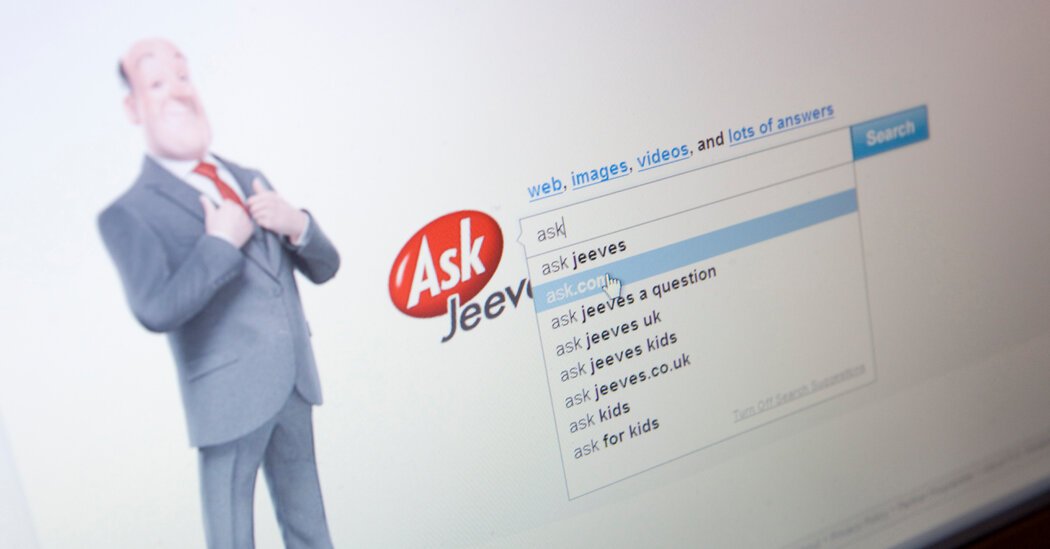
- Ask.com, once known for its digital butler Jeeves, has shut down.
- Launched in 1996, it provided a unique question-and-answer search experience.
- Despite innovations, it struggled against Google and newer platforms like Quora.
- Jeeves remains a nostalgic icon for simpler digital times and early internet.
The Rise and Fall of Jeeves
In the digital wilds of Y2K, we turned to a quirky character for answers. Jeeves, the charming online butler of Ask.com, greeted us with a friendly demeanor. We posed questions about everything—from Britney Spears to Beanie Babies. His simple promise? Provide clear answers to our curious minds. For almost 30 years, Jeeves guided us through cyberspace, becoming a touchstone of early internet culture.
Ask Jeeves first appeared in 1996. Founded during the dot-com boom in Berkeley, California, it aimed to make searching the web as conversational as chatting with a friend. This innovative approach stood out in an era dominated by complex search algorithms. Even as competition grew, Ask.com charged ahead, trying new ideas and features. The platform introduced hyperlocal search maps and webpage thumbnails, aiming to stay relevant.
Yet, the tides turned. The site struggled against giants like Google and Yahoo. In 2005, InterActive Corp. bought Ask.com for over $1 billion, providing new funding to invigorate its search capabilities. Despite a rebranding that dissolved his presence in 2006, Jeeves never regained his former glory. Ask.com tried to return to its question-and-answer roots, but newer platforms like Quora overshadowed its best efforts.
The closure of Ask.com serves as a Rorschach test for our digital landscape. It highlights both the relentless evolution of technology and a longing for simpler times. As users of the internet, we may find ourselves reflecting on what we’ve lost. The swift advances in technology often leave little room for nostalgia.
Yet, a hint of Jeeves lingers in our collective memory. He occupies a unique role in millennial nostalgia, standing alongside relics like AOL Instant Messenger and Limewire. Today, his charming persona may seem outdated, but it also represents a time when we sought direct interactions with technology. In an age driven by speed and efficiency, that human touch remains a wistful remembrance.
The close of Ask.com leaves a gap in the question-and-answer space. It raises questions about what we value in our digital interactions. Do we seek merely answers, or do we desire connection? As we navigate a rapidly changing online environment, Jeep’s legacy encourages us to reflect on that balance.
Discover More Technology Insights
Learn how the Internet of Things (IoT) is transforming everyday life.
Access comprehensive resources on technology by visiting Wikipedia.
TechV1
