

Top Highlights
Flu is spreading early as millions prepare for crowded Thanksgiving travel.
Vaccination lowers severe flu risks; shots take ten days to become effective.
COVID remains a threat; updated boosters help prevent severe illness and hospitalization.
Seniors, young children, and people with health conditions face greatest danger.
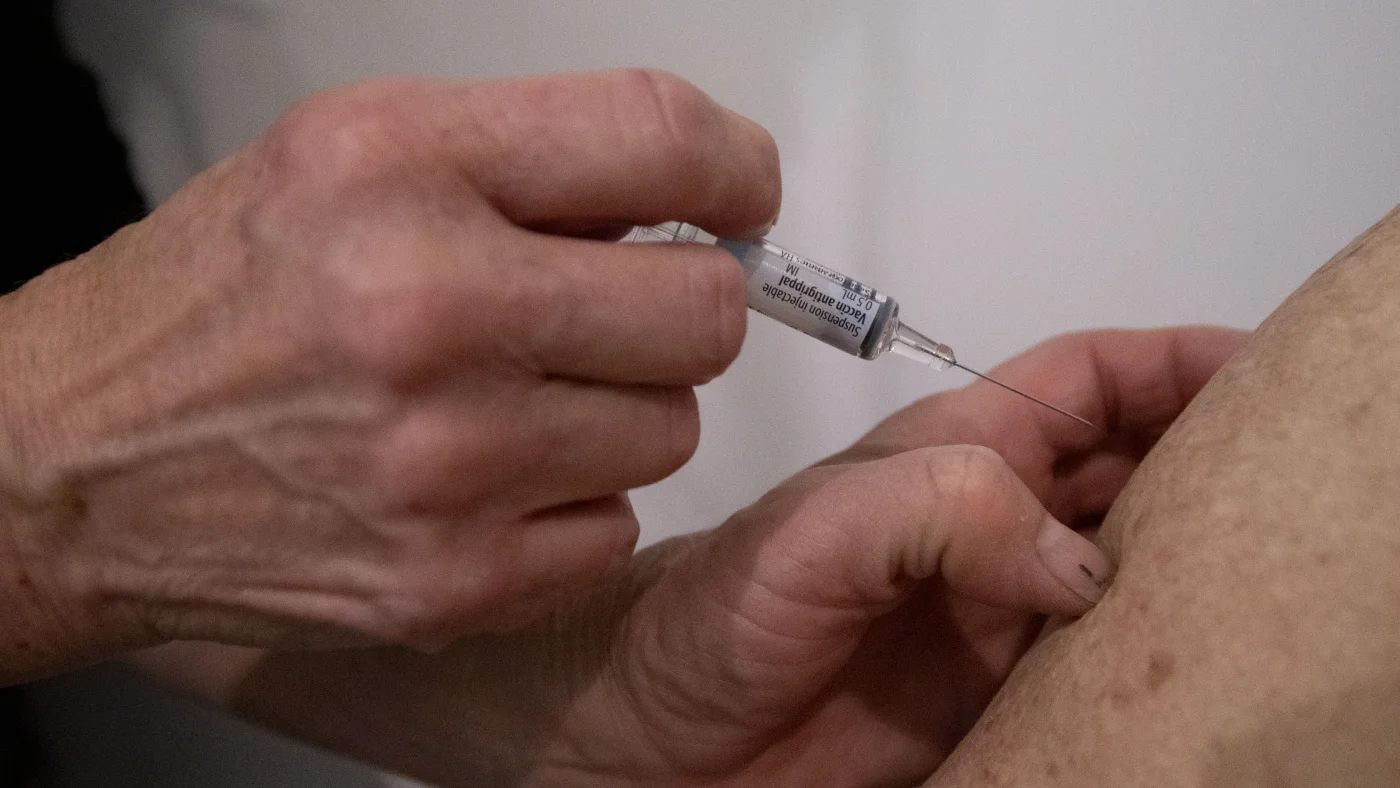
It’s flu season. Should you get a flu shot before you travel?
Holiday travel can bring people together in crowded airports, cars and homes. It can also make it easier for respiratory viruses to spread. With flu activity rising earlier than usual, health experts say travelers should get vaccinated as soon as they can.
The flu vaccine is not an instant shield, and it cannot prevent every infection. But it can lower the risk of severe illness and complications, including pneumonia and secondary bacterial infections. That protection matters even for healthy people: Influenza can send people of any age to the emergency room.
Get vaccinated as soon as possible
It takes about 10 days for the flu shot to reach its full effect, according to infectious disease specialist Dr. William Schaffner. That means there may still be time for people planning Thanksgiving travel to get vaccinated before the holiday. Earlier is better, especially with flu already circulating and millions of people expected to travel.
AAA projected that about 82 million Americans would travel more than 50 miles over Thanksgiving, including roughly 73 million by car. Whether traveling by road or air, people may spend time in shared, enclosed spaces and gather with relatives and friends. Vaccination offers a practical layer of protection, though it does not guarantee that someone will avoid the flu.
Seniors, young children and people with underlying health conditions face a higher risk of serious flu complications. Still, Schaffner cautions against assuming that healthy adults are immune to severe illness. Flu can affect people across age groups.
Plan for more than one respiratory virus
Flu is not the only virus to consider before holiday gatherings. Schaffner says COVID-19 remains a threat, and people who are not up to date on their COVID vaccinations are still being hospitalized. A booster can help reduce the risk of severe disease.
Vaccines for flu and COVID-19 are available through many pharmacies and health care providers. RSV vaccines are also available, but eligibility depends on a person’s age and health circumstances. People unsure which vaccines are recommended for them can check with a health care professional.
Online scheduling tools may make it easier to find an appointment, while calling a pharmacy or clinic can help people who prefer to ask questions directly. The key is to make a plan and not wait until the last minute. Vaccination cannot remove every travel risk, but it remains one of the best ways to reduce the chance of serious illness during a busy season.
Expand Your Tech Knowledge
Explore the future of technology with our detailed insights on Artificial Intelligence.
Stay inspired by the vast knowledge available on Wikipedia.
Space
