

Fast Facts
- FTC settles with Deere, enhancing farmers’ repair rights for equipment.
- Settlement mandates equal access to repair resources for all service providers.
- Deere faces oversight requirements for the next decade under agreement.
- Advocates see this as a significant win for farmers’ repair autonomy.
The Right-to-Repair Movement Gains Momentum
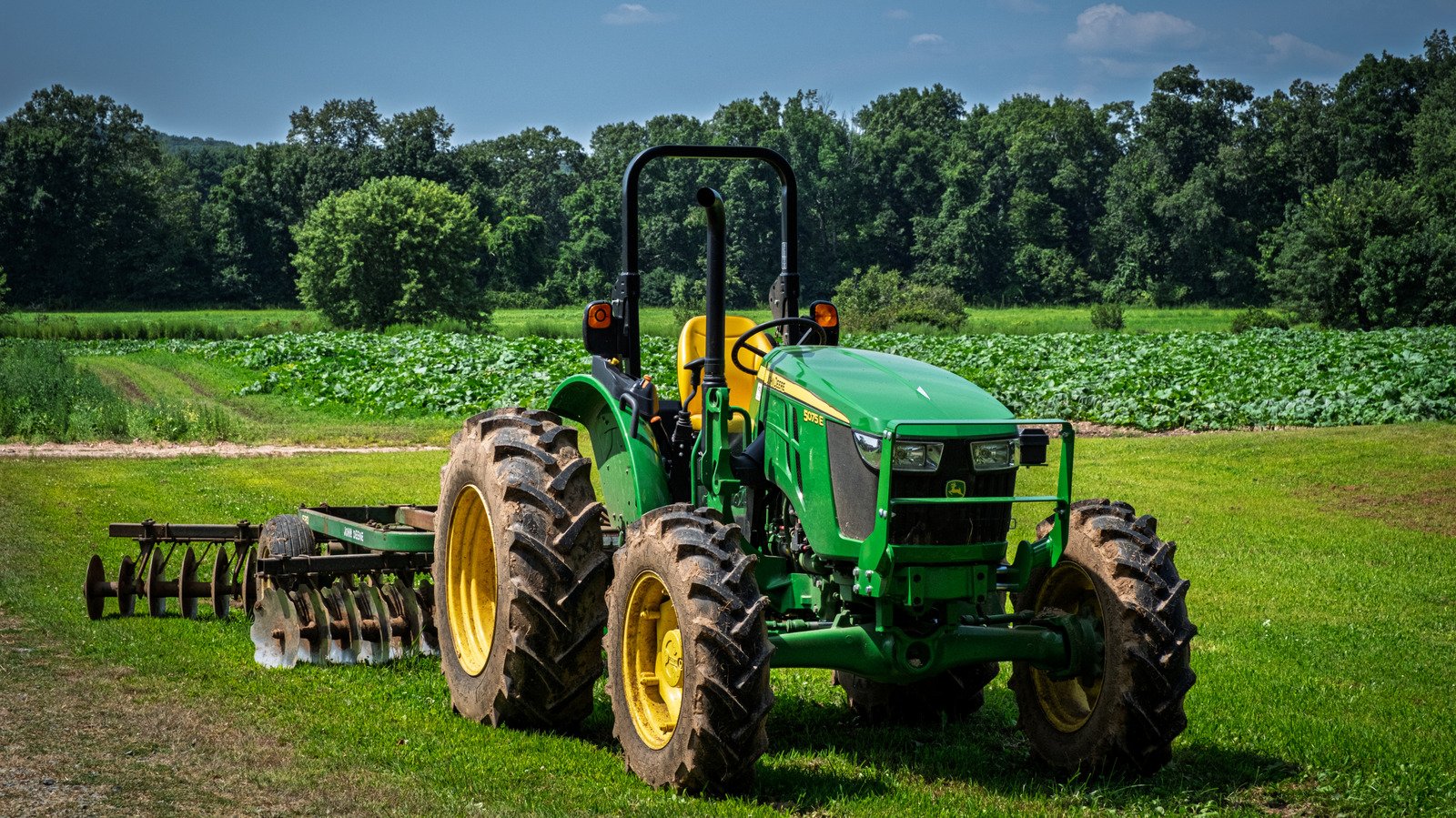
The recent settlement between the Federal Trade Commission (FTC) and Deere & Company signifies a crucial victory for the right-to-repair movement. This agreement allows farmers a fair chance to repair their own John Deere equipment without being hindered by restrictive policies. For years, farmers faced challenges due to unfair practices that charged them exorbitant fees for basic repairs.
The settlement requires Deere to provide equal access to repair resources for both farmers and independent repair providers. This move levels the playing field against authorized dealers, who previously held considerable power over repairs and parts. Farmers can now evaluate repair options based on cost and quality, rather than being locked into a system designed to benefit manufacturers.
Given the high costs of new agricultural equipment, this opportunity becomes essential. Farmers can potentially save thousands by choosing local repair shops or conducting repairs themselves. The FTC’s decision enhances the agricultural community’s sustainability and encourages broader discussions about consumer rights across other sectors.
Implications for the Future of Repairs
This landmark settlement signals a shift in how technology firms approach repairability. Historically, many companies operated under the premise that ownership equated to control. They limited access to essential repair material to bolster their profit margins. However, as agricultural technology becomes increasingly complex, a counter-narrative emerges.
The settlement may inspire similar actions within other industries. With rising consumer advocacy for repair rights, manufacturers might reconsider their policies. Technology exists to improve functionality and convenience, but it should not come at the expense of basic ownership rights. The idea of a “fixable world” sparks essential dialogue about accessibility and sustainability in technology. Farmers and consumers alike now have a clearer path forward, driving innovation in repair practices.
As this movement progresses, monitoring its outcomes will be vital. A successful implementation of this settlement could pave the way for further reforms in various sectors. The right-to-repair benefits not only farmers but also every consumer who wishes to take charge of their technology.
Expand Your Tech Knowledge
Stay informed on the revolutionary breakthroughs in Quantum Computing research.
Explore past and present digital transformations on the Internet Archive.
TechV1
