

Summary Points
- The Samsung Galaxy S26 Ultra is considered a safe, uninspired upgrade that largely replicates the previous year’s model, offering minimal innovation for its high price.
- The device includes first-generation features like Privacy Display, but they are poorly executed, with inferior display quality and questionable value for the premium cost.
- Hardware components, including the S Pen and build materials, have regressed, reflecting cost-cutting measures rather than technological advancement.
- Samsung’s dominance in the US market shields the S26 Ultra from real competition, leading to less innovation and offering better value options from other brands like OnePlus and older Samsung models.
The Galaxy S26 Ultra: A Good Phone, but Not a Game-Changer
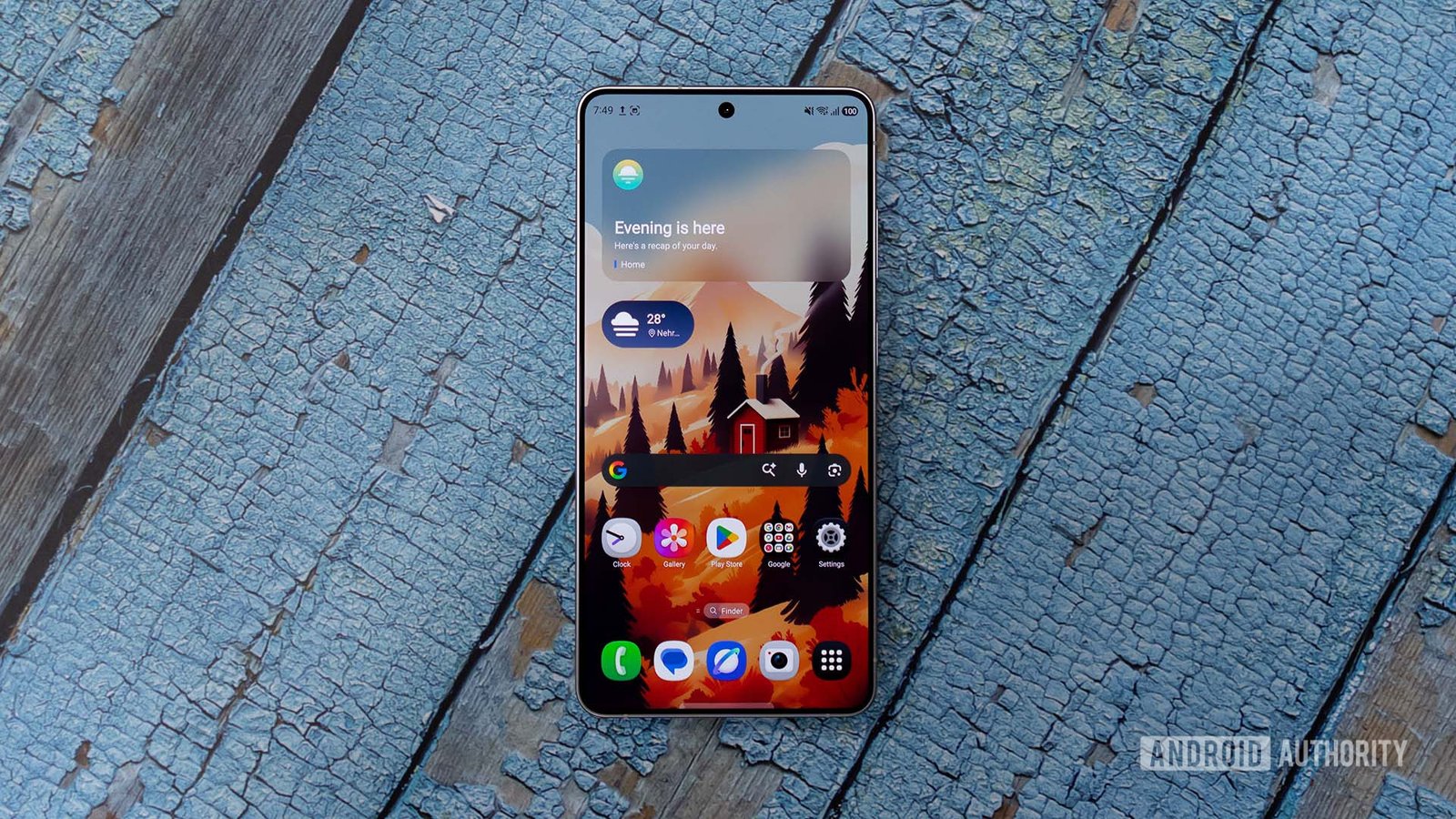
After spending weeks with the Galaxy S26 Ultra, I can say it’s a capable device. It’s especially noticeable if you’re upgrading from a device four years old. The phone feels faster, smoother, and offers some new features. However, if you’re expecting a revolution, you won’t find it here. For a hefty $1,300 price tag, “good” doesn’t cut it anymore. Instead, consumers are looking for “extraordinary.” Sadly, the S26 Ultra mirrors last year’s S23 Ultra, with little to excite even dedicated fans. It’s like a familiar face with a new name, rather than a fresh take on flagship technology. This raises a simple question: does the S26 Ultra justify its cost? For many, the answer is no. Instead of groundbreaking improvements, Samsung seems content to stick with safe, incremental upgrades. While it does introduce some innovations like the Privacy Display, these features feel rushed, almost like beta tests rather than finalized tech. Ultimately, the S26 Ultra feels more like a rerun than a breakthrough, and that’s disappointing for a device at this price point.
Hardware and Features: Falling Behind the Curve
When it comes to hardware, the S26 Ultra shows signs of stagnation. Notably, the display quality appears to have declined compared to the S25 Ultra. The new panel looks inferior, with poorer anti-glare performance and washed-out visuals. These issues persist even when the Privacy Display feature is turned off. Such quality drops are puzzling, especially at this level of investment. Alongside display issues, Samsung’s material choices seem to reflect cost-cutting rather than innovation. The S Pen, once iconic and a hallmark of the Ultra models, has shrunk and lost Bluetooth capabilities. Reverting to Armor Aluminum from Titanium suggests an aim to save costs, not prioritize premium build quality. For over $1,300, consumers should expect top-tier materials, not compromised components. Additionally, performance enhancements feel minimal. The jump to 60W charging, for instance, feels too late—competitors like OnePlus have already offered faster speeds since 2020. The camera sensor remains outdated, with a 1/1.3-inch sensor instead of the newer 1-inch optics seen in other Ultra models. As hardware continues to age, the Galaxy S26 Ultra’s hardware ecosystem appears stuck in the past. Software updates won’t fix what hardware can’t—and that’s a real concern for long-term usability.
Market Position and the Balance of Innovation
The real story behind the S26 Ultra is not just about what’s inside the box — it’s about market dynamics. The device only gets a pass in the US because international alternatives are out of reach for most American consumers. Brands like Xiaomi, OPPO, vivo, and HUAWEI lead global innovation with advanced features and cutting-edge hardware, but US shoppers rarely see those options. Samsung, on the other hand, leverages its massive brand power here. It plays it safe because it can. The Galaxy S26 Ultra faces limited competition from domestic brands, and that’s why it doesn’t need to push boundaries. Still, this strategy might backfire long-term. While Samsung’s ecosystem remains strong in the US, other brands are rapidly closing the gap on features and value. Apple continues to innovate with its ecosystem, and even older devices like the Pixel 7 or OnePlus 13 offer compelling alternatives. For many users, these devices provide better value—more innovation for less money. The regrettable truth? The Galaxy S26 Ultra’s most impressive feature might be its brand name. It’s a reminder that, in some markets, sheer dominance can overshadow the need for innovation. But as competition heats up worldwide, Samsung risks losing its edge if it only delivers safe, familiar devices that no longer surprise or impress. With the current lineup, it feels like the “Ultra” moniker is more about brand recognition than groundbreaking technology. That’s a risky game, and for many buyers, it just doesn’t feel worth the premium price anymore.
Discover More Technology Insights
Learn how the Internet of Things (IoT) is transforming everyday life.
Explore past and present digital transformations on the Internet Archive.
CellphonesV1
