
Close Menu
    Facebook X (Twitter) Instagram
    Tuesday, July 28
    Top Stories:
    • Make a Splash: Why Swimming Headphones Stand Out!
    • New Age Restrictions for New Yorkers: Verify Your Age to Access Algorithmic Feeds!
    • Xbox Reveals Cause of Major Outage: What Went Wrong?
    Facebook X (Twitter) Instagram Pinterest Vimeo
    IO Tribune
    • Home
    • AI
    • Tech
      • Gadgets
      • Fashion Tech
    • Crypto
    • Smart Cities
      • IOT
    • Science
      • Space
      • Quantum
    • OPED
    IO Tribune
    Home » Shielding Oregon: The Science Behind Smoke Blankets
    Space

    Shielding Oregon: The Science Behind Smoke Blankets

    Staff ReporterBy Staff ReporterJuly 28, 2026No Comments3 Mins Read
    Share Facebook Twitter Pinterest LinkedIn Tumblr Reddit Telegram Email
    Share
    Facebook Twitter LinkedIn Pinterest Email

    Summary Points

    1. Dry thunderstorms triggered thousands of lightning strikes across Oregon and Washington.
    2. Wildfires quickly spread, fueled by drought and strong winds.
    3. Over 10,000 firefighters battled blazes threatening communities across Oregon.
    4. By July 27, Oregon fires consumed over one million acres.

    Smoke Blankets Oregon – NASA Science

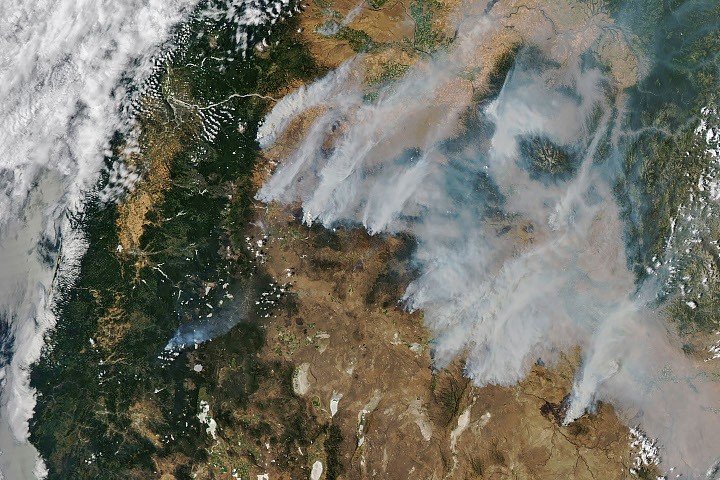
    Dry thunderstorms moved over the Cascade Range on the evening of July 15, 2026. These storms unleashed thousands of lightning strikes across Oregon and Washington. The following day, NASA satellites began detecting an alarming number of wildfires in central and eastern Oregon.

    Initially small, these fires expanded quickly. Gusty winds and extreme drought conditions intensified the blazes. By July 26, NASA’s Aqua satellite captured a striking image of the smoke pouring northeast from various large fires, covering hundreds of square miles. This resulted in air quality advisories for eastern Oregon, where many communities faced evacuation orders. Over 10,000 firefighters were deployed to combat the flames, tackling major active fires like the Hay Creek Complex and the Big Grass Fire. Many of these incidents were less than 5 percent contained, prompting the invocation of Oregon’s Emergency Conflagration Act to safeguard vulnerable communities.

    Monitoring Wildfire Behavior

    NASA’s technology plays a crucial role in wildfire monitoring and management. Government satellite data form part of a global observation system designed to track fire behavior and identify emerging trends. Real-time wildfire monitoring tools such as the Fire Information for Resource Management System (FIRMS) and Worldview are invaluable resources. These platforms assist in visualizing fire spread, which is critical for effective response and resource allocation.

    As of July 27, 2026, more than one million acres in Oregon had been scorched. The National Interagency Fire Center reported that over four million acres were burning across the United States. This figure starkly contrasts with the 10-year average of 3.4 million acres for that point in the season (2016-2025). Access to timely satellite data enables emergency responders to track ongoing wildfires, helping to inform both operational strategies and community safety measures.

    While technology offers significant advantages in monitoring fires, it also raises practical questions. Balancing the cost of advanced satellite systems against immediate needs in wildfire management is essential. However, the insights gained through these technological additions can improve response times and ultimately save lives. Understanding how to leverage NASA’s data effectively is vital for enhancing our preparedness for future wildfire seasons.

    Expand Your Tech Knowledge

    Explore the future of technology with our detailed insights on Artificial Intelligence.

    Stay inspired by the vast knowledge available on Wikipedia.

    Space

    Cosmos Earth Observatory NASA Space VT1 Wildfires
    Share. Facebook Twitter Pinterest LinkedIn Tumblr Email
    Previous ArticleScientists Forge Electron Lighthouse with Laser Light
    Next Article Make a Splash: Why Swimming Headphones Stand Out!
    Avatar photo
    Staff Reporter
    • Website

    John Marcelli is a staff writer for IO Tribune, with a passion for exploring and writing about the ever-evolving world of technology. From emerging trends to in-depth reviews of the latest gadgets, John stays at the forefront of innovation, delivering engaging content that informs and inspires readers. When he's not writing, he enjoys experimenting with new tech tools and diving into the digital landscape.

    Related Posts

    Tech

    Make a Splash: Why Swimming Headphones Stand Out!

    July 28, 2026
    AI

    Scientists Forge Electron Lighthouse with Laser Light

    July 28, 2026
    Tech

    New Age Restrictions for New Yorkers: Verify Your Age to Access Algorithmic Feeds!

    July 28, 2026
    Add A Comment

    Comments are closed.

    Must Read

    Make a Splash: Why Swimming Headphones Stand Out!

    July 28, 2026

    Shielding Oregon: The Science Behind Smoke Blankets

    July 28, 2026

    Scientists Forge Electron Lighthouse with Laser Light

    July 28, 2026

    New Age Restrictions for New Yorkers: Verify Your Age to Access Algorithmic Feeds!

    July 28, 2026

    Master the 60-60 Rule for Better AirPods Use

    July 28, 2026
    Categories
    • AI
    • Crypto
    • Fashion Tech
    • Gadgets
    • IOT
    • OPED
    • Quantum
    • Science
    • Smart Cities
    • Space
    • Tech
    Most Popular

    Transform Your Routine: The Secret to Sticking with Habits!

    May 20, 2026

    USDT0 Launches XAUt0: Revolutionizing Gold With True Digital Ownership

    June 2, 2025

    Apply Responsible Quantum Innovation Today

    July 16, 2026
    Our Picks

    Fire Emblem Shadows: Tactics Meet Social Deduction!

    September 25, 2025

    New Favorite Feature in Google Photos!

    September 21, 2025

    Algorithmic Influence: Are Companies Responsible for Radicalization?

    May 27, 2025
    Categories
    • AI
    • Crypto
    • Fashion Tech
    • Gadgets
    • IOT
    • OPED
    • Quantum
    • Science
    • Smart Cities
    • Space
    • Tech
    • Privacy Policy
    • Disclaimer
    • Terms and Conditions
    • About Us
    • Contact us
    Copyright © 2025 Iotribune.comAll Rights Reserved.

    Type above and press Enter to search. Press Esc to cancel.