

Quick Takeaways
-
Comprehensive Trajectory Solutions: Copernicus is a versatile spacecraft trajectory design system, adept at handling various missions, including interplanetary and lunar transfers.
-
Recent Updates and Enhancements: The latest Version 5.4 (March 2024) introduces native support for Apple Silicon, improved modeling for altitude and eclipse scenarios, and enhanced usability across the interface.
-
Legacy and Development: Originating at the University of Texas in 2001, Copernicus has evolved through significant advancements, including recognition as NASA’s Software of the Year in 2021.
-
Access and Collaboration: Copernicus is available free under federal licensing, supporting NASA centers, contractors, and universities, facilitating technology transfer for broad application.
Copernicus Unveils New Trajectory Design System
March 23, 2024 — The Copernicus Project has released Version 5.4, a robust update to its spacecraft trajectory design and optimization system. This update brings exciting features that enhance space mission planning.
First, Copernicus now supports Apple Silicon processors natively. This means that Mac users can expect improved performance and stability. In addition, the new altitude and eclipse ramping model offers users more options for simulations. Moreover, the propagation model has an upgrade that simulates finite burn segments with Kepler arcs and impulses, streamlining complex trajectory calculations.
Furthermore, the update includes enhancements to shadowing and eclipse models, optimizing how robotic spacecraft operate near celestial bodies. Users can also explore new two-body rotating frame definitions, which add flexibility in configuring missions.
Developers benefit from numerous upgrades to the Copernicus Python API, increasing its functionality for programmers. New graphical user interface (GUI) enhancements make the system more user-friendly, ensuring that both seasoned professionals and newcomers can navigate its features with ease.
The Copernicus Project originated at the University of Texas at Austin in 2001, receiving initial funding from NASA. Since then, it has become an essential tool for space agencies and research institutions globally.
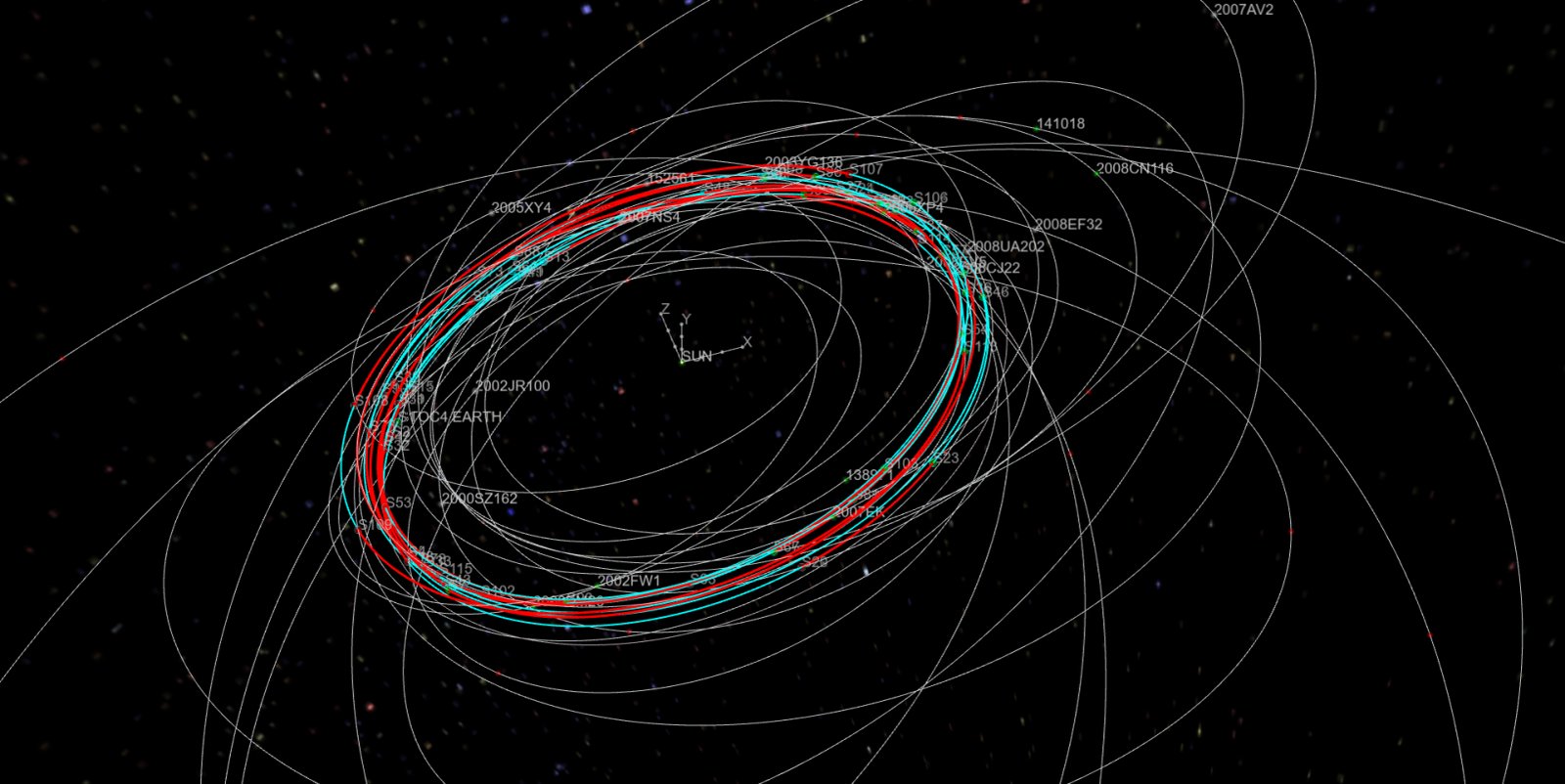
The Copernicus software helps solve various trajectory problems, including planetary orbits, moon transfers, and interplanetary missions. As a result, it plays a crucial role in advancing space exploration technology. From planning asteroid missions to optimizing lunar landings, Copernicus directly impacts how humanity explores the cosmos.
With ongoing improvements, such as this latest version, Copernicus continues to enhance the quality of life on Earth. By enabling innovative space exploration, it provides possibilities for advancements in technology and science that benefit everyone.
Discover More Technology Insights
Dive deeper into the world of Cryptocurrency and its impact on global finance.
Stay inspired by the vast knowledge available on Wikipedia.
SciV1
