

Essential Insights
-
Sustainability Focus: Stuart Vevers of Coach emphasizes sustainability at NY Fashion Week, despite the fashion industry prioritizing profits over environmental concerns.
-
Material Innovation: Coach showcases upcycled materials, such as denim from post-consumer waste and handbags crafted from vintage baseball gloves, highlighting the potential of repurposed fashion.
-
Cultural Inspirations: Vevers draws creative inspiration from personal traditions and pop culture, starting his show with a monochrome theme before introducing vibrant colors, reflecting a blend of past influences and modern Gen Z sensibilities.
-
Growth and Accessibility: Coach targets consumers affected by luxury inflation, achieving a 25% sales increase while maintaining a focus on affordable, fashionable options.
Not Blind Optimism: Coach’s Designer Champions Sustainable Fashion at New York Fashion Week
Stuart Vevers, the British designer behind Coach, is determined to spotlight sustainability during New York Fashion Week. Although environmental concerns often fade from focus, Vevers remains hopeful, believing young people will drive change. “I’m an optimist, but it’s not a blind optimism,” he stated before Wednesday’s show at the historic Cunard building.
A decade ago, Vevers felt guilty about his role in fashion. He recognized the need for action over guilt. “That was the gamechanger for me,” he explained. Today, he continuously seeks solutions and feels proud of the progress he and his team have made.
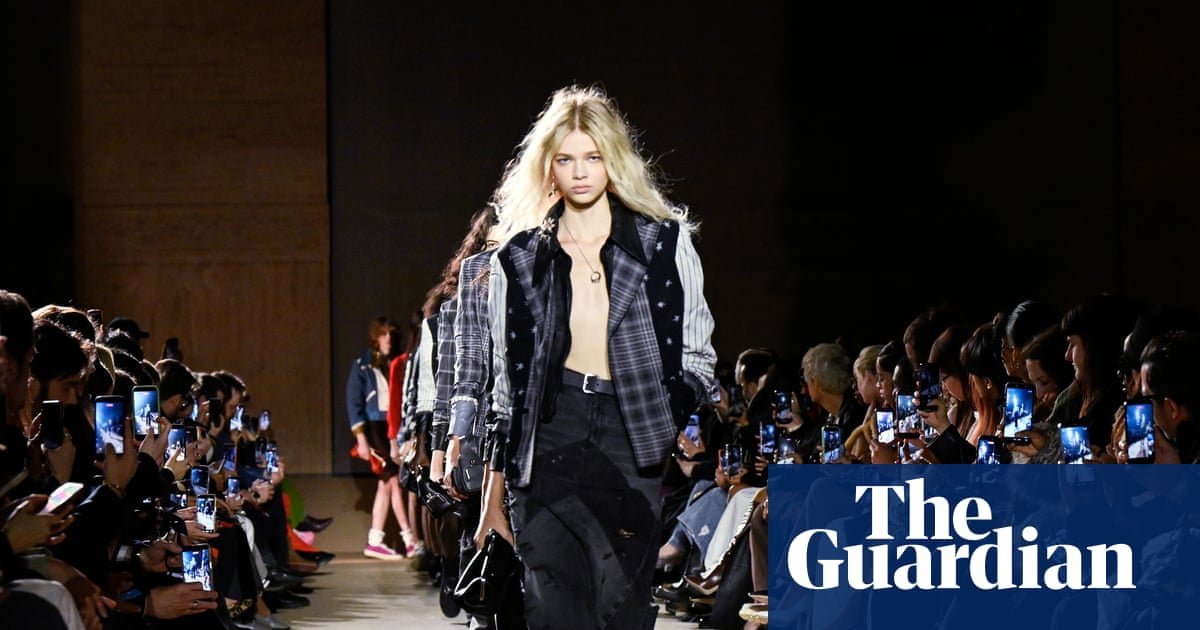
The fashion show featured innovative designs. Models strutted in gender-fluid outfits with jeans crafted entirely from post-consumer denim. Additionally, leather handbags resembled worn baseball gloves, each upcycled into stylish accessories. “The older the glove, the more beautiful the bag,” Vevers noted.
In Coach stores, upcycled denim has transitioned from capsule collections to a meaningful segment of the brand’s offerings. Vevers emphasized, “There are really great materials already out there in the world.” Recently, trench coats made from old chinos have hit the market, showcasing this commitment to sustainability.
The show was a personal celebration for Vevers, dedicated to his newborn daughter, Fawn. Inspired by a family tradition of watching The Wizard of Oz, he opened the presentation with monochrome looks before transitioning to vibrant colors, highlighting the brand’s evolution and connection to past influences.
Coach’s designs reflect a blend of mid-century American youth culture and contemporary trends. Models wore styles that were both punk and grunge, featuring frayed sport socks and scuffed trainers. This inclusive and youthful approach resonates with a generation seeking authenticity.
Vevers’s background informs his vision. Born in Yorkshire, he earned an OBE for his contributions to fashion. His awareness of youth culture aligns with Coach’s pricing strategy, aimed at consumers impacted by luxury inflation. While high-end handbags soar in price, Coach remains accessible, reporting a 25% sales growth in late 2025.
As Coach continues to innovate and embrace sustainable practices, the brand not only adapts to consumer demands but also reinforces the role of technology in ethical fashion development. By using reclaimed materials, Vevers redefines how fashion can engage with environmental issues while remaining stylish and affordable. Through these efforts, Coach signals a hopeful future for the industry, where sustainability and creativity go hand in hand.
Discover More Technology Insights
Explore the future of technology with our detailed insights on Artificial Intelligence.
Discover archived knowledge and digital history on the Internet Archive.
FashionTechV1
