

Top Highlights
-
Precision Landing Requirements: NASA’s Artemis missions demand crewed spacecraft to land within 50 meters of a target site, necessitating advanced precision landing technologies amid challenging lunar terrain.
-
Successful Hazard Detection Test: NASA engineers achieved a significant milestone with the successful field test of hazard detection lidar technology, crucial for ensuring safe landings on the Moon, Mars, and other icy worlds.
-
SPLICE Program: The Safe & Precise Landing – Integrated Capabilities Evolution (SPLICE) Program combines advanced sensors and algorithms to enable safe landings in scientifically valuable but difficult-to-reach areas.
- Future Applications: Beyond lunar missions, SPLICE technologies are being developed for Mars Sample Return, the Europa Lander, and Commercial Lunar Payload Services, advancing NASA’s overall exploration capabilities.
NASA Advances Precision Landing Technology with Field Test at Kennedy
NASA has made significant strides in precision landing technology. Recently, engineers conducted a successful field test at the Kennedy Space Center in Florida. This test aimed to improve safe landings on the Moon, Mars, and other celestial bodies.
Landing on the Moon is not easy. Artemis missions require landers to touch down within an area about as wide as a football field. The official lunar landing requirement mandates accuracy within 50 meters. Thus, developing precise tools is vital for mission success.
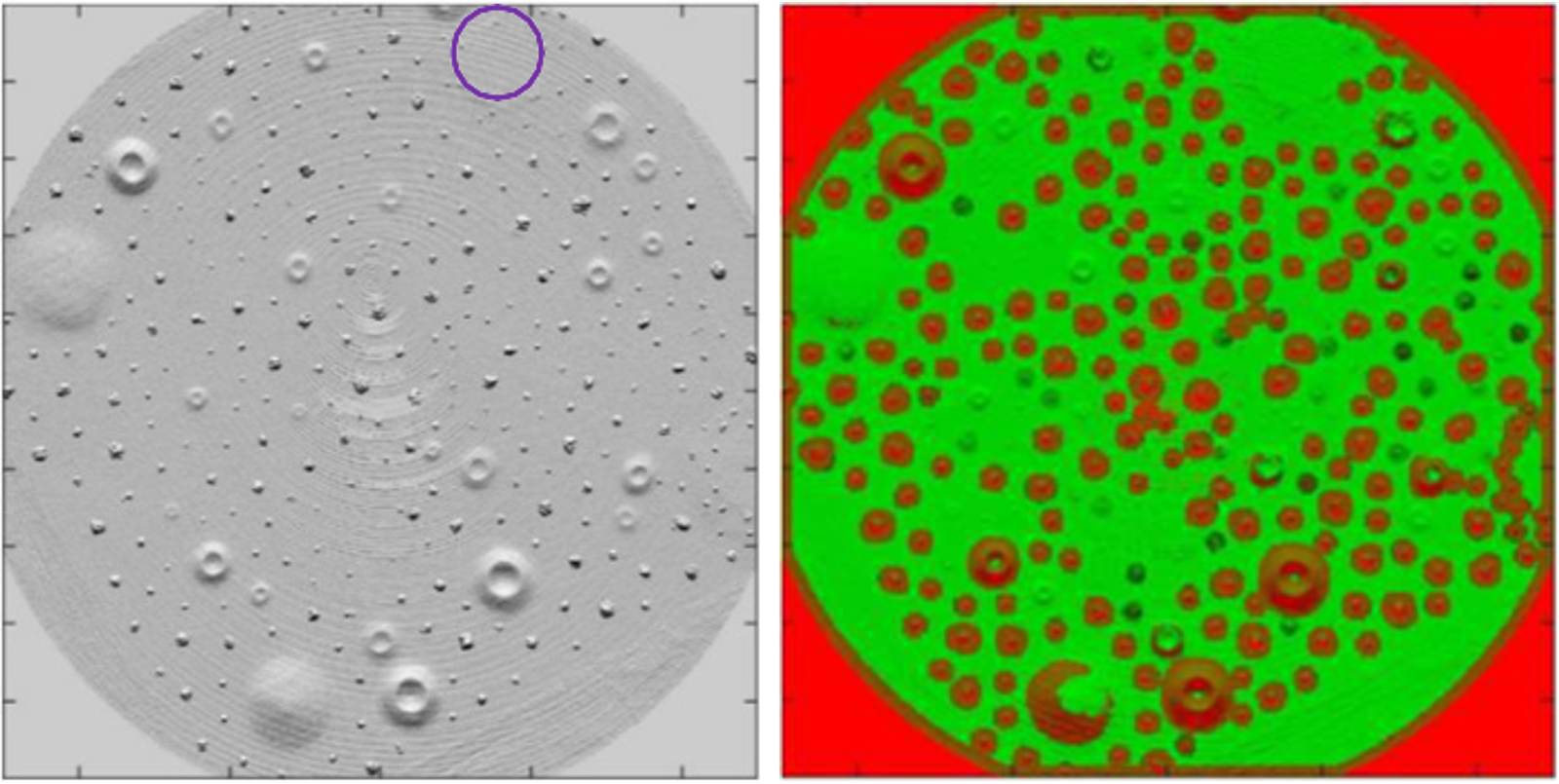
At the heart of this recent advancement is the Goddard Hazard Detection Lidar system. This technology can map surfaces equivalent to two football fields in just two seconds. During the test, it processed 15 million laser pulses to create real-time, 3D maps for lander navigation.
These maps play a crucial role. The SPLICE Descent and Landing Computer analyzes this data to determine the spacecraft’s velocity, altitude, and any hazards on the ground. This analysis is essential for choosing safe landing sites. Previously, this high-performance computer flew on Blue Origin’s New Shepard rocket, showcasing its reliability.
The successful test at Kennedy marked a major achievement. Engineers from NASA’s Johnson Space Center led the operations, collaborating with experts from various divisions. They updated the computer’s software and developed new algorithms to enhance the lidar system’s performance. Initial results showed excellent terrain mapping despite challenging conditions.
Beyond lunar missions, the SPLICE program aims to support ambitions such as the Mars Sample Return and the Europa Lander. These technologies also promise to benefit commercial lunar exploration, enhancing our understanding of these distant worlds.
Additionally, advancements in software development are underway through projects like the Advancement of Geometric Methods for Active Terrain Relative Navigation. This initiative seeks to create algorithms that do not rely on external lighting sources, a significant step for future missions.
With upcoming suborbital flight tests planned through 2026, NASA continues to lay the groundwork for safer landings. As the agency prepares for a new era of exploration, SPLICE will be instrumental in advancing landing and navigation technologies. These efforts not only enhance scientific exploration but also improve the safety and efficiency of future missions.
Continue Your Tech Journey
Learn how the Internet of Things (IoT) is transforming everyday life.
Explore past and present digital transformations on the Internet Archive.
SciV1
