

Essential Insights
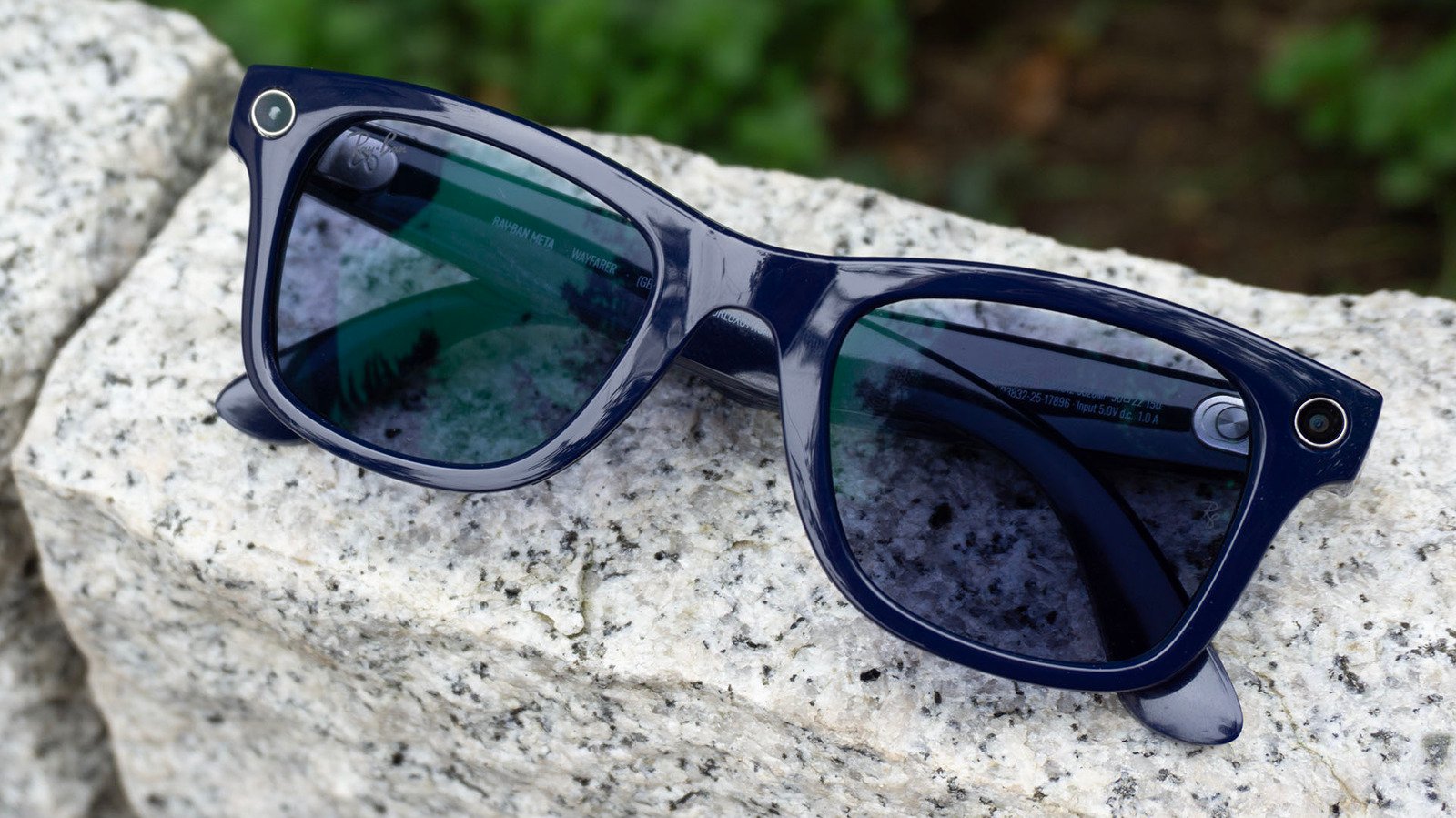
- ICE has prohibited staff from wearing Meta smart glasses at work due to privacy and security concerns.
- The memo clarifies existing policies against using body-worn cameras, highlighting the device’s increasing visibility.
- Despite restrictions, ICE is considering developing custom smart glasses with biometric features for future use.
- Meta faces backlash over privacy issues, with concerns about potential surveillance and easy-to-bypass privacy indicators.
ICE Bans Meta Glasses During Work Hours
Recently, officials at Immigration and Customs Enforcement (ICE) announced a clear rule. Employees are not allowed to wear Meta glasses while they do their jobs. The reason is simple: these smart glasses might record or share sensitive information without permission. A memo sent to staff explained that the glasses could “unintentionally capture, record, or transmit” private data. This could put people’s privacy and legal protections at risk. The ban applies to all ICE workers, whether they are in the office or out in the field. This step shows how seriously authorities view new technology and its potential risks.
The Growing Use of Smart Glasses in Immigration Enforcement
Despite the rule, sightings of Meta glasses among officials continue to grow. Border Patrol and ICE agents have been seen wearing the devices during their work. Some have used the glasses to record activities despite existing policies. For example, during an immigration raid, an agent was spotted with glasses on. In many states, similar sightings have been reported. These instances reveal how the devices are becoming common tools in immigration enforcement. The use of smart glasses provides real-time information and can streamline operations. Still, it raises questions about privacy and how the tech is being used in sensitive situations.
Future Possibilities and Ongoing Concerns
While ICE and DHS temporarily restrict the use of Meta glasses, officials show interest in developing special versions. Budget papers hint at plans to create custom glasses with biometric features, such as facial recognition, for officers by next year. This development suggests the agency sees potential in high-tech tools to improve security and efficiency. However, Meta’s glasses face criticism from privacy advocates. Concerns grow about how long the device’s features—like facial recognition—could be used for surveillance. Meanwhile, the glasses’ privacy protections, such as LED indicators, are easy to bypass. As technology continues to evolve, balancing innovation with privacy remains a complex challenge.
Stay Ahead with the Latest Tech Trends
Explore the future of technology with our detailed insights on Artificial Intelligence.
Stay inspired by the vast knowledge available on Wikipedia.
CellphonesV1
