

Quick Takeaways
- Importing foreign phones offers unique designs and features not available in the US, such as foldables and high-end camera phones.
- Compatibility issues may arise, including carrier band support, carrier-specific features, and software updates, potentially limiting functionality.
- Warranty and customer support are often difficult to access for imported devices, as many brands lack official US presence.
- Despite these challenges, importing can provide early access to the latest models and innovative hardware at lower costs.
Understanding the Advantages of Importing Foreign Phones
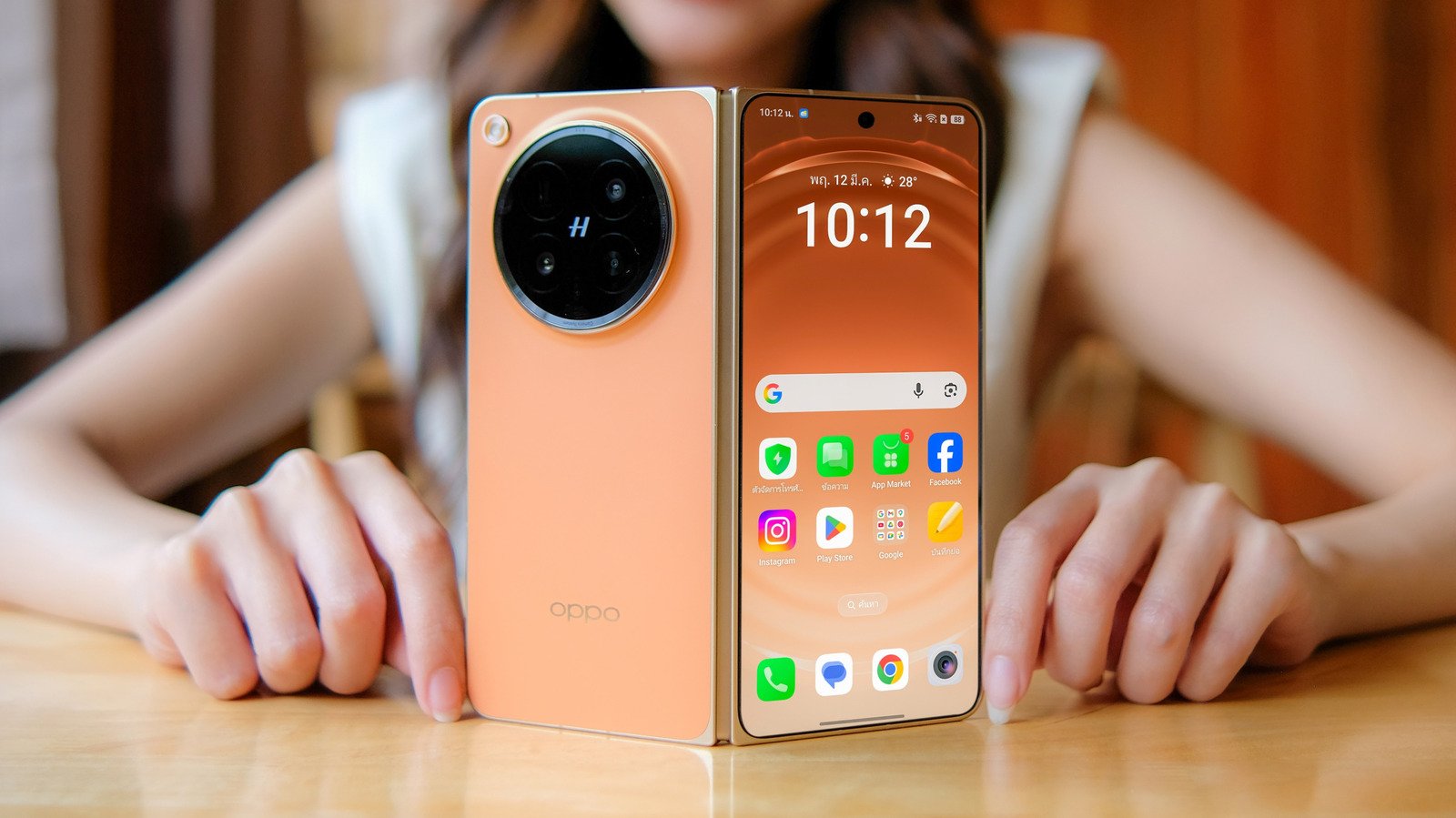
When you import a phone from another country, it opens the door to many exciting possibilities. First, you can access the latest models before they arrive in the US. Many international brands, especially Chinese companies, release advanced devices earlier elsewhere. For example, foldable phones with bigger batteries and superior cameras come first in some markets. Also, these phones often have features not available domestically. Some models support two physical SIM cards, a feature mostly gone in US phones that now favor eSIMs. Moreover, imported phones can be cheaper despite their advanced features. You might pay less for a high-end device compared to US prices. Some brands also offer innovative designs like three-screen foldables that you cannot find in American stores. If you are willing to deal with the extra steps, importing can be rewarding. It enables you to explore new hardware, enjoy innovative features, and often save money. For tech enthusiasts seeking cutting-edge technology, importing provides a unique advantage.
The Challenges of Using Imported Phones in the US
However, importing a phone comes with challenges. The first issue is compatibility. Not all foreign phones work smoothly on US networks. It’s vital to check if the device supports the right cellular bands used in the US. A mismatch could restrict your phone to slower LTE speeds or prevent access to 5G altogether. Carrier-specific features can also cause trouble. Features like Wi-Fi calling, VoLTE, or visual voicemail sometimes require certification in the US. Even if the phone connects to the network, it might not support these extras. Software can also be a problem. Many international phones, especially Chinese models, lack Google Play Services. This absence removes familiar apps and could mean manual updates. Plus, some imported devices run custom software with Chinese apps that may be unnecessary or unreadable. Another concern involves warranty and repairs. Brands without US support channels make it hard to get official warranty service. You might need to visit third-party shops, risking higher costs and less reliable repairs. These issues can make importing inconvenient for everyday users who want seamless support and consistent updates.
Weighing Up the Benefits and Drawbacks
Despite these hurdles, importing a phone can still be worthwhile. If you love trying new tech and don’t mind some inconvenience, it’s a way to get innovative devices early. For example, a foldable with advanced cameras or a phone with a massive battery may cost less abroad and offer unique features. Also, importing can be a good choice for those who want the latest model before it hits US shelves. Many international phones support two physical SIM cards—something that’s rare domestically now. That means more flexibility for travel or multiple lines. Still, it’s essential to research every detail first. Compatibility, software, and warranty issues require effort to navigate. If having official support and guaranteed feature compatibility matter most, sticking with domestic models remains the safer choice. Ultimately, weighing these pros and cons helps decide whether importing suits your needs and lifestyle.
Continue Your Tech Journey
Explore the future of technology with our detailed insights on Artificial Intelligence.
Stay inspired by the vast knowledge available on Wikipedia.
CellphonesV1
