

Quick Takeaways
-
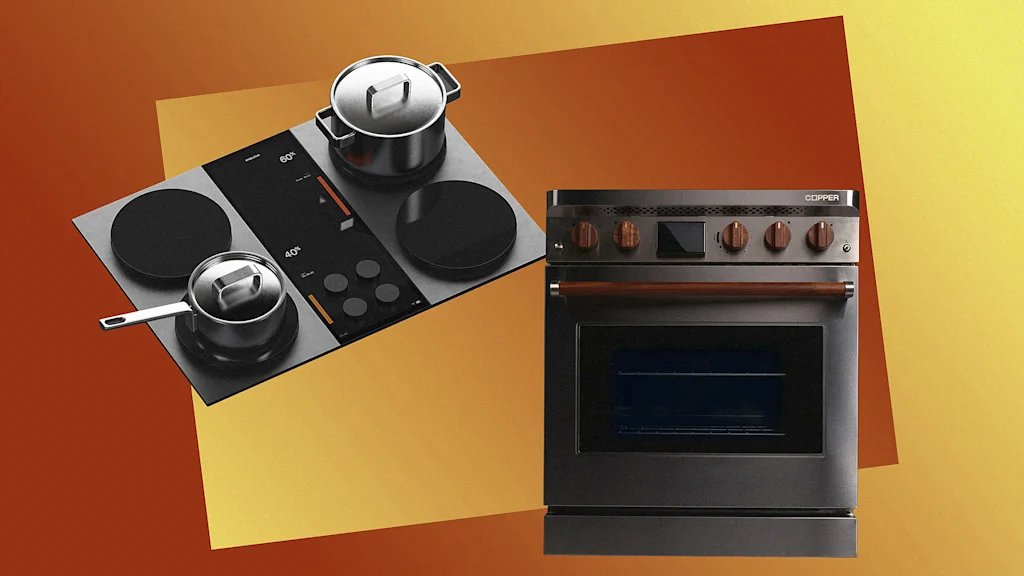
Patent Infringement Lawsuit: Copper has sued Impulse for patent infringement, claiming both companies use a common design that integrates batteries into induction stoves, which enhances performance and eases installation.
-
Copper’s Innovation Timeline: Copper began developing their battery-integrated stove technology in 2019 and successfully patented it, launching in 2022 with significant venture funding of around $35 million.
-
Impulse’s Position: Impulse, launched in 2022 and having raised $25 million, disputes Copper’s claims and believes it will be vindicated in court, although details of its design development timeline remain unclear.
-
Energy Storage Advantages: The integration of batteries in stoves enables easier installation, supports energy storage for grid management, and contributes to more efficient use of renewable energy resources.
The Innovative Induction Stove Debate
The recent lawsuit between Copper and Impulse highlights a pivotal moment in kitchen technology. Both startups introduced next-generation induction stoves featuring built-in batteries. This design improves performance and simplifies installation in homes without needing significant electrical upgrades. Furthermore, it allows these stoves to act as energy storage units, relieving pressure on the electrical grid during peak times. Such innovation can transform how we use energy in our homes.
However, this legal battle raises concerns about originality and intellectual property. Copper asserts that it patented its design first, claiming that its work dates back to 2019. In contrast, Impulse has not yet disclosed its development timeline, leaving questions about its familiarity with Copper’s concept. Both companies have attracted significant venture funding, underscoring the interest in energy-efficient household appliances. Yet, the dispute may hinder widespread adoption of these groundbreaking technologies, as potential buyers await clarification on the legal ramifications.
The Future of Sustainable Energy Solutions
As the world shifts toward energy efficiency, integration of renewable sources becomes critical. Built-in batteries in kitchen appliances present an exciting avenue for this transition. Unlike traditional home batteries, which can be costly and complicated to install, these stoves offer a plug-and-play solution. They can store excess renewable energy generated during off-peak hours, aiding both homeowners and the electrical grid.
The implications of this innovation extend beyond convenience. They promise a cleaner energy future, making it easier for families to adopt sustainable practices. Moreover, the competition between startups can drive improvements in technology, benefiting consumers in the long run. As the lawsuit unfolds, it is vital for both companies to ensure their innovations advance the human journey toward sustainability rather than stall it.
Stay Ahead with the Latest Tech Trends
Stay informed on the revolutionary breakthroughs in Quantum Computing research.
Access comprehensive resources on technology by visiting Wikipedia.
TechV1
