

Quick Takeaways
- Apple’s upcoming foldable iPhone Duo features a nano-texture display aimed at reducing crease visibility, but long-term effectiveness remains uncertain.
- Despite improvements like matte coating, the physics of foldable screens make it impossible to eliminate the crease completely, which may worsen over time.
- Early hands-on impressions suggest the crease is barely visible initially, but durability and appearance after prolonged use are still unknown.
- Apple claims increased durability for the device, but real-world testing over months or years is needed to verify if the crease issue can be truly minimized long-term.
The Challenge of the Foldable Screen Crease
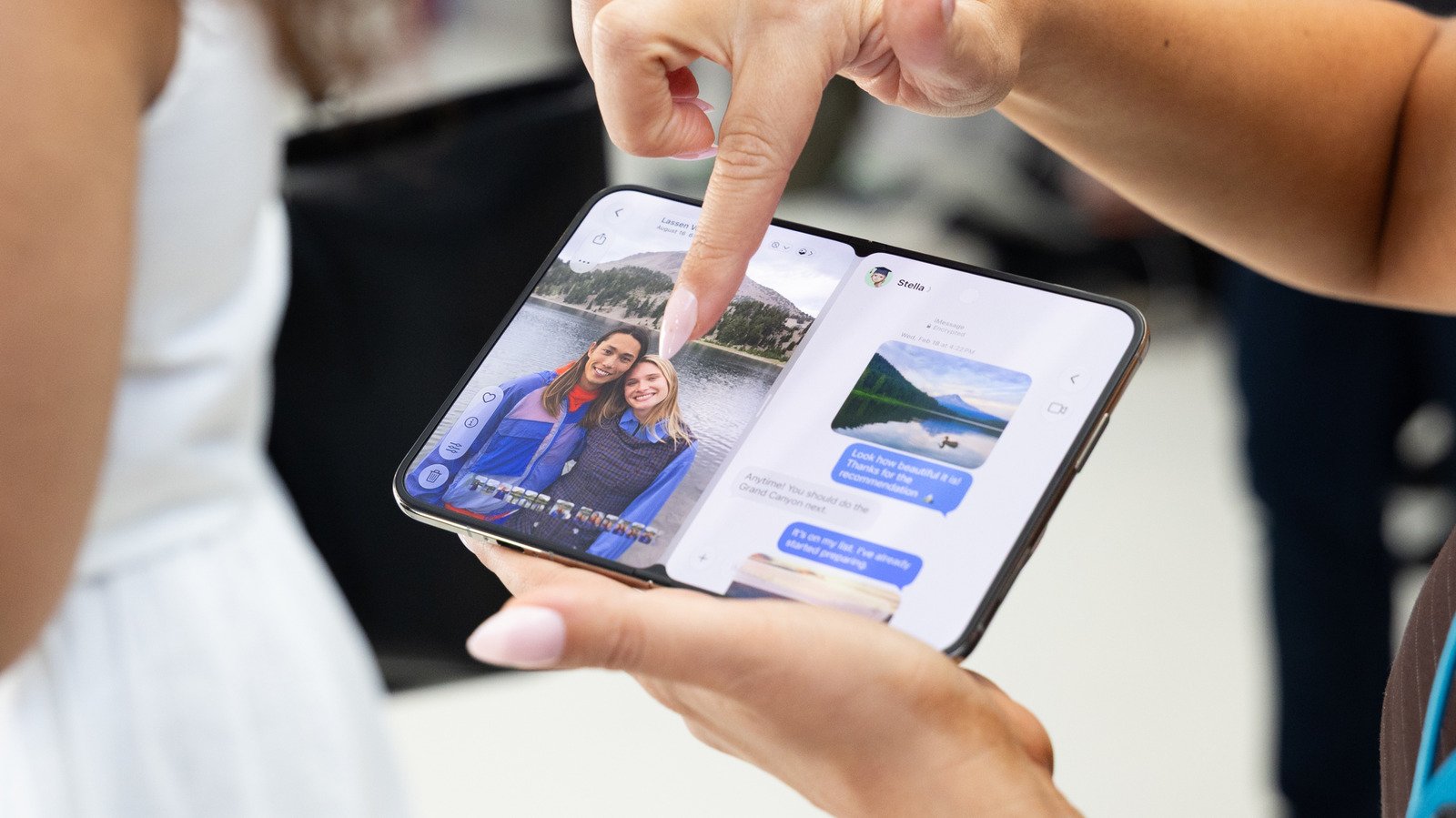
Foldable phones have changed how we see smartphones. Still, they face a common problem: the crease. When you fold a screen, the material bends. This often leaves a visible line or bump. No matter how advanced, technology hasn’t yet completely eliminated this flaw. Companies like Samsung have improved their designs, making the crease less obvious. But over time, with repeated folding, the crease tends to become worse. The physics of flexible screens mean that some crease will always be there. Apple’s new iPhone Duo uses a matte coating and nano-texture display to hide the crease. During early tests, some users say it is barely noticeable. Others find it still visible but less intrusive. However, these are just initial impressions. Because the device hasn’t been used extensively yet, it’s too early to tell how the crease will hold up in the long run.
What We Need to See Over Time
Even though Apple is proud of the iPhone Duo’s durability and sleek design, real testing takes time. When a foldable phone is used daily, the screen endures repeated folding. This puts stress on the display. The first days or weeks might look great, but long-term performance is uncertain. For example, one popular foldable has shown that after months of use, the crease became more visible. Over thousands of folds, the damage adds up. Apple’s nano-texture screen might reduce visibility at first, but only time will prove if it remains effective. It’s a big advantage to see a display that looks less creased out of the box. Still, durability isn’t just about the look. It’s about how well the screen holds up after months or years of use. Only widespread consumer experiences and durability tests will give us the full picture.
Hope and Caution for Future Foldables
Apple’s approach shows promise, but it’s still early days. Apple executives say the iPhone Duo should be more durable than other foldables on the market. They believe the nano-texture display offers significant improvements. However, initial impressions don’t tell us everything. Early reviews focus on how the screen looks right after opening the box. What comes later — after many folds, scratches, and everyday wear — remains unknown. As more users get the device, experts and tech enthusiasts will put it to the test. YouTube reviewers and durability experts will explore how well the screen resists damage over time. It’s natural to hope that Apple has made a breakthrough. Still, the true test lies ahead in how the device performs in real-life, long-term use. That is when we will finally understand if the crease issue will stay minimized or gradually become more noticeable.
Continue Your Tech Journey
Stay informed on the revolutionary breakthroughs in Quantum Computing research.
Explore past and present digital transformations on the Internet Archive.
CellphonesV1
