

Essential Insights
- The author switched from iPhone to Android after years of loyalty, driven by the realization that Android now offers features like seamless file sharing that Apple lags behind.
- Quick Share on recent Android phones (e.g., Galaxy S26, Pixel 10) now allows effortless, fast file transfers between Android and iOS devices, rivaling AirDrop’s simplicity.
- The ease of sharing files, especially during real-world tasks like photo editing on MacBooks, highlights how Android’s flexibility and features like multitasking surpass Apple’s offerings.
- The switch revealed how much of the author’s loyalty was rooted in comfort rather than genuine preference, prompting a shift towards embracing Android’s broader capabilities.
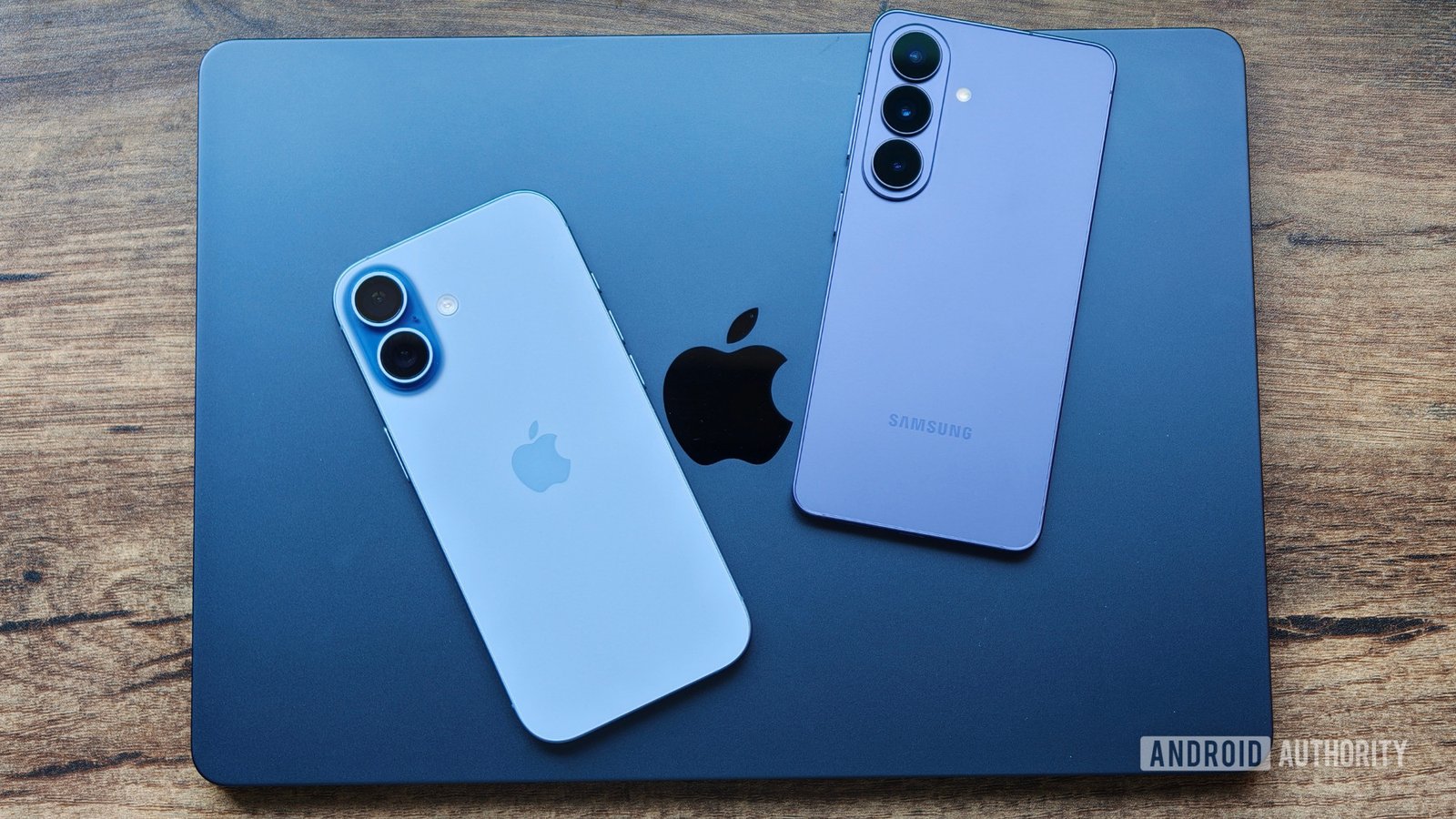
After 13 years with the iPhone, I’ve decided to switch to Android. This change didn’t happen overnight. For over a decade, I valued Apple’s ecosystem. Features like AirDrop made sharing files effortless, and I loved how everything just worked seamlessly.
However, over time, I noticed something. Apple started catching up to Android with features that had long been standard elsewhere. For example, recent Google Pixel and Samsung Galaxy phones introduced a new way to share files with iPhones using Quick Share. This feature finally made cross-platform file transfer smooth and simple. That was the final push I needed.
Switching to Android now feels natural. The process was surprisingly easy. Sharing files between my Galaxy S26 and MacBook Air became as quick and reliable as on my previous iPhone setup. Quick Share allows me to send photos, videos, and documents without extra steps or delays. This convenience makes work and daily tasks faster and less frustrating.
Using Android also showed me other benefits. I realized how much I had adapted to limits I once accepted. For instance, I always carried a Lightning cable, knowing that forgetting it could cause real problems. Now, I see how unnecessary those restrictions were. Android offers features like split-screen multitasking, higher-refresh-rate displays, and fast updates—all of which I missed in the Apple ecosystem.
What truly changed my mind was the sense of flexibility Android provides. It adapts to how I use my phone, not the other way around. I no longer want to feel confined by limited features or outdated options. Instead, I want my device to serve my needs, and Android delivers on that promise.
This decision to switch stems from seeing a smartphone that finally matches my needs—and exceeds my expectations. The days of feeling loyal just out of habit are over. Now, I look forward to exploring the open, adaptable world of Android. Smart cities and urban innovations also benefit from this flexibility. They rely on adaptable technology to improve lives. Just like my switch from iPhone to Android, these innovations show how embracing change can unlock new possibilities for urban living.
Stay Ahead with the Latest Tech Trends
Dive deeper into the world of Cryptocurrency and its impact on global finance.
Stay inspired by the vast knowledge available on Wikipedia.
GadgetsV1
