

Quick Takeaways
-
Designed for Kids: The Lego Smart Play system prioritizes social and interactive play for children, contrasting with Lego’s recent focus on older audiences and complex sets.
-
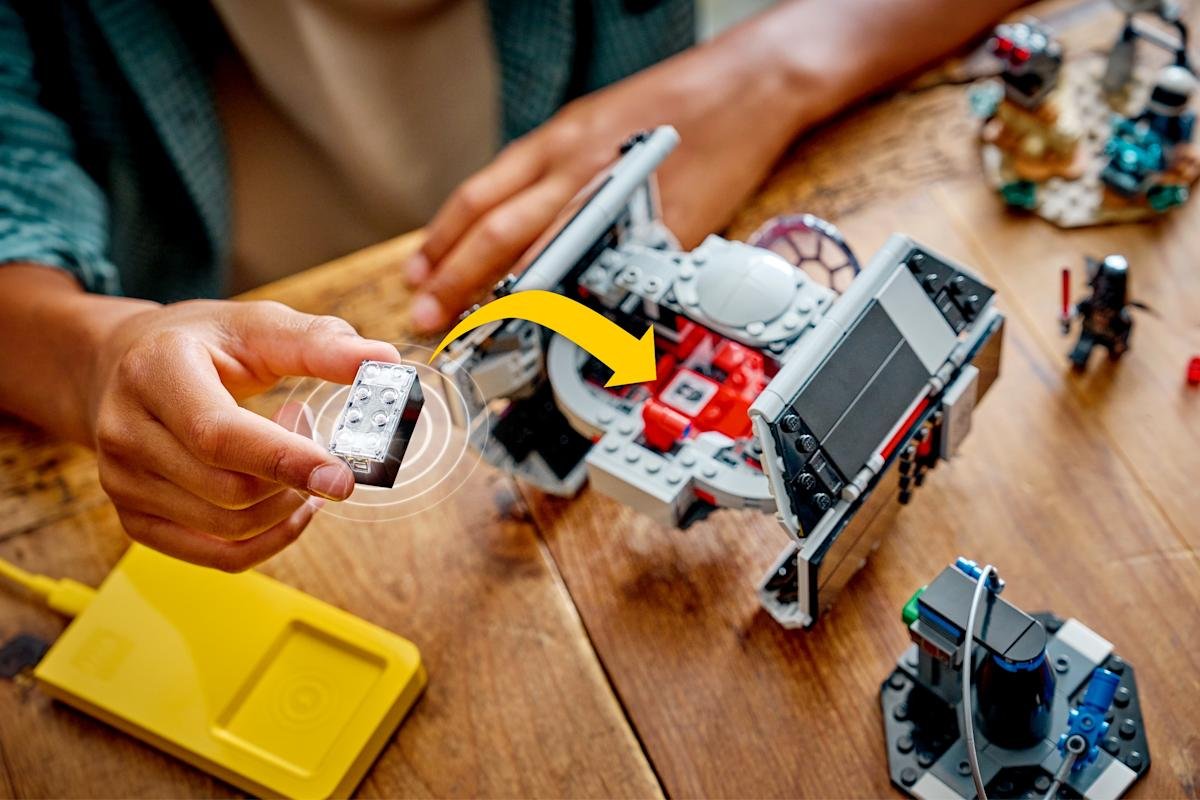
Innovative Technology: Key features include Smart Bricks filled with sensors that enable interaction between sets, respond to movement, and recognize Smart Minifigures and contexts via Smart Tags.
-
Cost Concerns: The initial Smart Play sets, especially those related to popular franchises like Star Wars, carry a higher price point, raising questions about parent adoption and market reception.
-
Future Expansion Potential: After eight years of development, Lego envisions expanding Smart Play across various product lines, hoping to introduce affordable add-ons that enhance interactivity beyond licensed themes.
The Vision Behind Smart Play
Lego recently unveiled its Smart Play system, designed primarily for children. This marks a shift from the company’s previous focus on adult-oriented, elaborate sets. The goal? To cultivate social and interactive play among kids. Smart Play incorporates a Smart Brick filled with sensors. These objects respond to movement, play sounds, and interact with Smart Minifigures nearby. Moreover, tiny Smart Tags help the bricks identify their context. For instance, they recognize if they are in a car or a helicopter.
Tom Donaldson, a senior VP at Lego, explained that the idea behind Smart Play has been in development for eight years. He emphasized the importance of understanding consumer needs. Children enjoy dynamic play experiences—especially scenarios that change when they return. They seek agency in their activities, wanting to modify and evolve their creations. Lego’s approach here is not merely about adding technology; it’s about enhancing the play experience in a meaningful way.
The Challenge of Adoption
Despite its innovative potential, Smart Play faces challenges, especially regarding pricing. The flagship Star Wars set, for example, costs $160 and includes nearly 1,000 pieces, which may deter some parents. While the iconic Star Wars brand may attract buyers, the technology should also prove its worth. Will parents invest in enhanced capabilities, or will they opt for traditional sets?
As Lego expands Smart Play, the focus will need to shift beyond blockbuster franchises. A broader appeal may lie in creating affordable add-on kits that can transform existing sets without breaking the bank. This approach could democratize the technology, making it accessible to a wider audience. Ultimately, the potential of Smart Play depends not just on its high-profile launches, but also on how effectively it engages the diverse imagination of children everywhere.
Discover More Technology Insights
Learn how the Internet of Things (IoT) is transforming everyday life.
Explore past and present digital transformations on the Internet Archive.
TechV1
