

Summary Points
- Abercrombie & Fitch faces backlash after a $95 men’s jumper was found to be 100% merino wool, while a similarly priced women’s style contained just 30% wool.
- A six-brand analysis found men’s jumpers under $100 are up to five times more likely to be made entirely from natural fibres; women’s are twice as likely to contain polyester.
- Experts point to trend-driven demand, cheaper production and sizing needs as reasons women’s knitwear may contain more synthetic fibres.
- Check the care label closely: “wool blend” can mean little wool, and quality shopping means weighing materials, durability and care—not simply shopping menswear.
A price tag does not tell the whole story
A viral shopping video has drawn attention to a surprising knitwear gap: Two jumpers at the same price may contain very different materials. One example showed a $95 men’s jumper made entirely of merino wool and a women’s jumper at the same price with 30% wool.
A review of six major U.S. brands found that, below $100, men’s jumpers were up to five times more likely than women’s to be made entirely of natural fibers. Women’s jumpers were twice as likely to contain polyester. The review captured a single day’s listings, however, so it cannot represent every brand or season.
Different fibers, different trade-offs
The gap may reflect how clothing is designed and sold. Trend-driven styles can change quickly, while men’s basics often stay similar from season to season. That consistency can help brands buy materials in bulk. Synthetic fibers also cost less and can add stretch or drape.
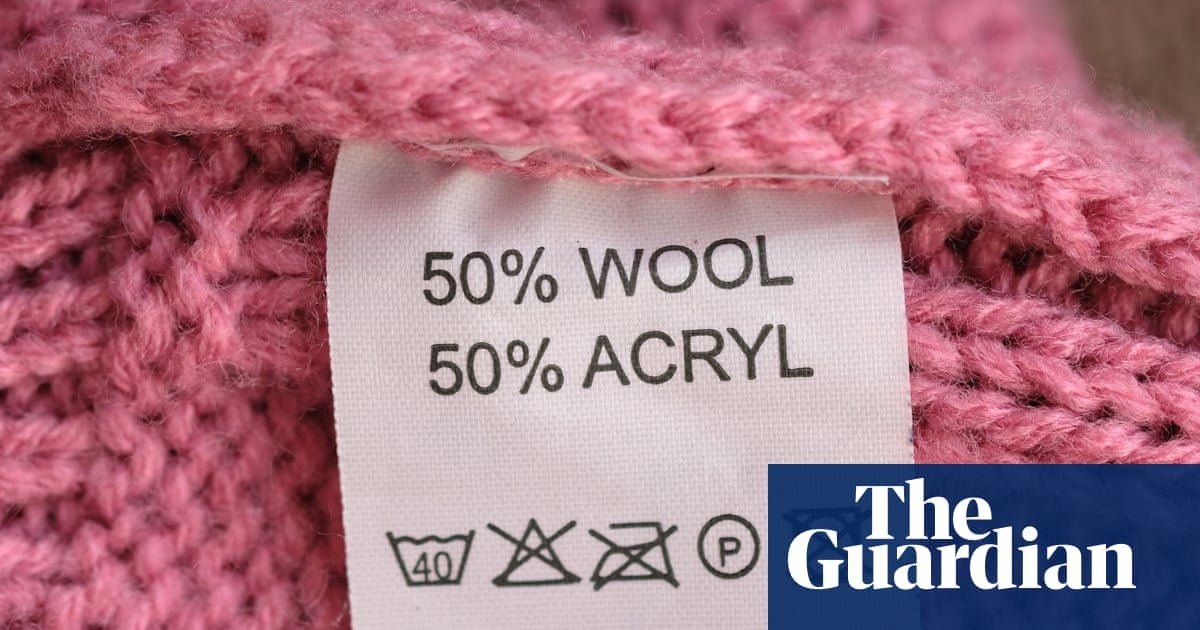
Those materials are not automatically bad. They can make garments easier to care for or more affordable. Still, blends vary, and labels such as “wool blend” do not guarantee a high wool content. A garment described as cashmere-soft may contain no cashmere at all.
Read the label, then choose what works
For shoppers, fiber content offers a practical clue about warmth, care and likely wear. A natural-fiber jumper may suit someone seeking longevity, while a blend may fit a tighter budget or a preference for easier washing. Neither choice works for everyone.
Better textile design could broaden those options, but clear labeling matters now. Check the percentages, consider how often you will wear the garment, and weigh its care needs against its price. The aim is not to shop like someone else. It is to know what you are buying.
Stay Ahead with the Latest Tech Trends
Stay informed on the revolutionary breakthroughs in Quantum Computing research.
Discover archived knowledge and digital history on the Internet Archive.
FashionTechV1
