

Fast Facts
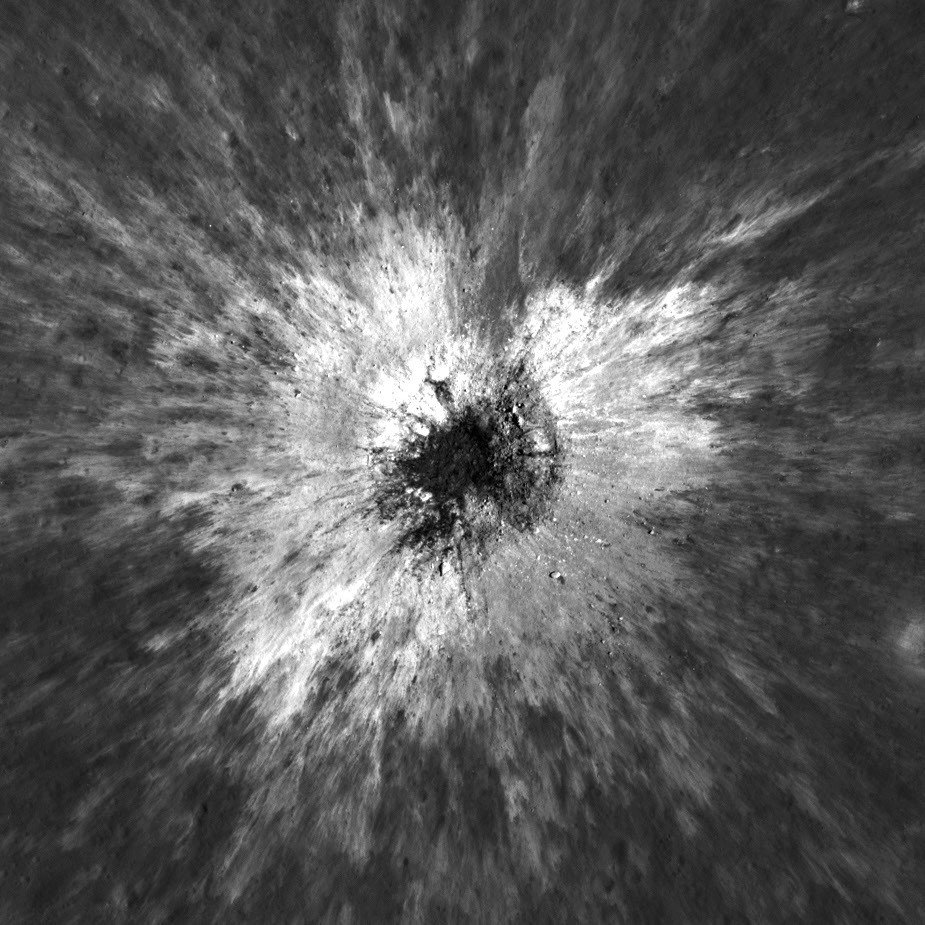
A small asteroid hit the Moon, creating a rare large crater.
The impact occurred between April and May 2024.
The crater is two soccer fields wide, appearing once every 132 years.
Thermal imaging shows a large cold spot surrounding the crater.
APOD: 2026 September 23 – A New Lunar Crater: McGetchin
On September 23, 2026, NASA’s Astronomy Picture of the Day (APOD) featured an extraordinary discovery on the Moon. A brand-new crater appeared suddenly on the lunar surface, capturing the attention of scientists and space enthusiasts worldwide. This event offers a rare glimpse into space impact processes and the Moon’s evolving landscape.
A Rare Lunar Event: A Fresh Impact Crater
This crater formed after a small space object, likely a comet or asteroid about 10 to 20 meters across—roughly the size of a humpback whale—struck the Moon sometime between April and May 2024. The Lunar Reconnaissance Orbiter (LRO), orbiting the Moon since 2009, regularly monitors its surface. Using previous images, scientists identified the new impact mark, which measures roughly two soccer fields across.
Craters of this size are extremely rare. They occur roughly once every 132 years, making this event a true once-in-a-lifetime occurrence. The impact created a bright, warm crater surrounded by a large cold zone. Sharp thermal imaging showed that the surrounding area is cooler, implying the impact disturbed the lunar soil, or regolith, pushing loose material outward and creating a larger affected region.
This event helps scientists better understand how small space objects impact the Moon’s surface. It also shows how impacts influence lunar surface characteristics over time. The event acts as a natural laboratory, providing real data about space debris collisions and the Moon’s surface evolution.
Impacts, Heat, and Lunar Surface Changes
The impact caused a localized burst of heat within the crater, which quickly dissipated, creating observable thermal differences. The disturbance of the regolith makes the area less dense and impacts its ability to retain heat. The larger cold spot surrounding the crater offers insights into how impacts modify lunar surface properties beyond the immediate impact zone.
This discovery reminds us of Earth’s atmosphere’s protective role. Unlike the Moon, Earth’s atmosphere burns up many small space objects before they reach the surface. The event underscores the dynamic nature of our neighboring celestial body and its ongoing changes caused by space debris.
The appearance of a new crater on the Moon not only excites astronomers but also enhances our understanding of impact processes. It demonstrates how technology like the LRO can provide critical data, helping scientists monitor planetary surfaces and assess impact risks. Looking ahead, these observations will inform future lunar exploration and potentially guide planetary defense strategies.
Expand Your Tech Knowledge
Dive deeper into the world of Cryptocurrency and its impact on global finance.
Stay inspired by the vast knowledge available on Wikipedia.
Space
