
Close Menu
    Facebook X (Twitter) Instagram
    Tuesday, November 17
    Top Stories:
    • Single-Cell Analysis Reveals Cas9’s On- and Off-Target Gene Effects
    • The CDC’s Most Nutrient-Dense Fruit Isn’t Blueberries or Oranges
    • Simple Daily Habit Linked to Less Pain and Depression
    Facebook X (Twitter) Instagram Pinterest Vimeo
    IO Tribune
    • Home
    • AI
    • Tech
      • Gadgets
      • Fashion Tech
    • Crypto
    • Smart Cities
      • IOT
    • Science
      • Space
      • Quantum
    • OPED
    IO Tribune
    Home » MIT Physicists Discover Exotic Quantum Matter
    Quantum

    MIT Physicists Discover Exotic Quantum Matter

    Staff ReporterBy Staff ReporterJuly 2, 2026No Comments2 Mins Read
    Share Facebook Twitter Pinterest LinkedIn Tumblr Reddit Telegram Email
    Share
    Facebook Twitter LinkedIn Pinterest Email

    Summary Points

    1. MIT researchers suggest creating non-Abelian anyons could improve quantum computers.
    2. These exotic particles can “remember” their paths, aiding robust quantum calculations.
    3. Recent experiments show non-Abelian anyons may form in 2D moiré materials.
    4. Findings open pathways to more powerful, reliable quantum technologies in the future.

    MIT Physicists Explore Exotic Matter for Quantum Computing

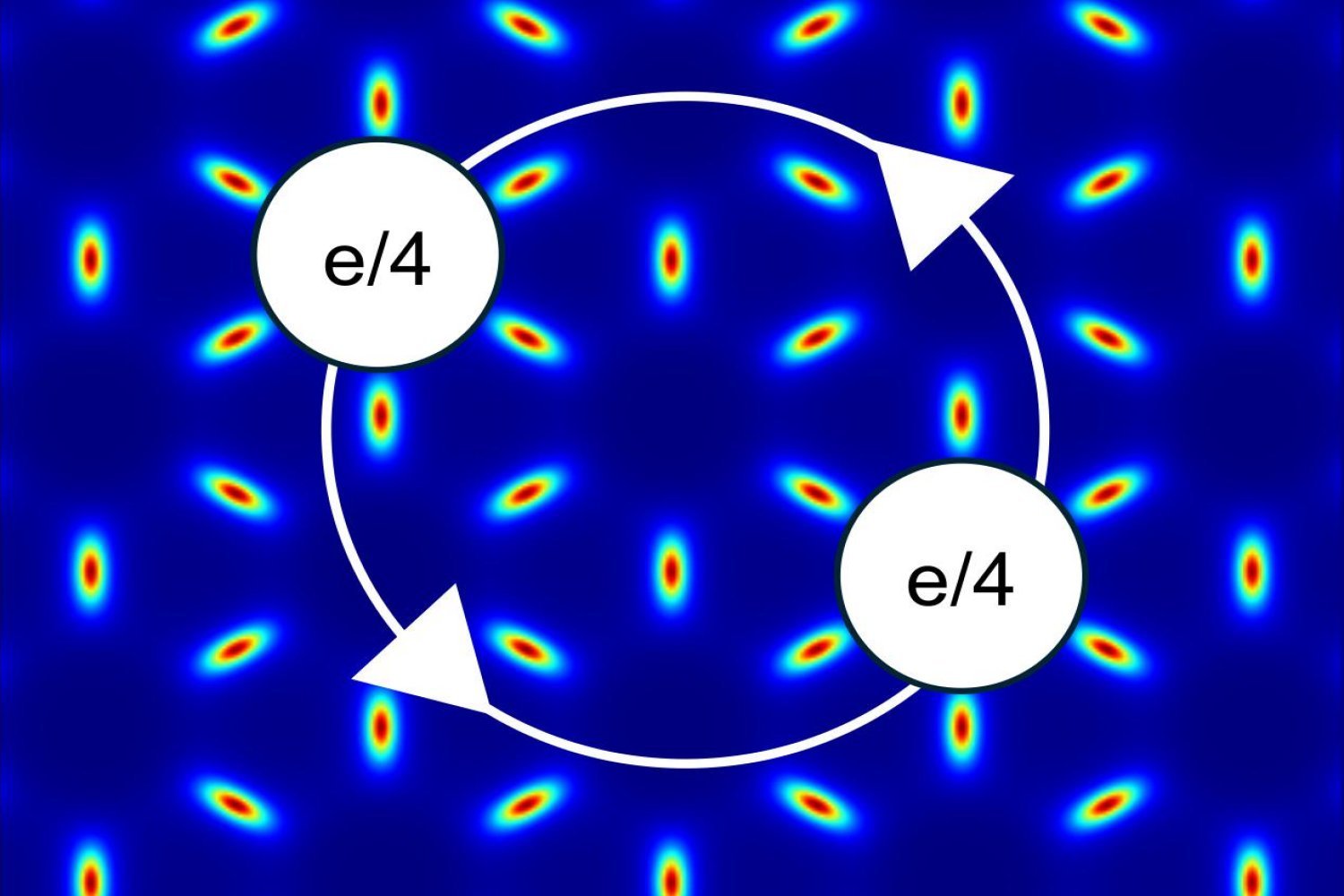
    MIT physicists have identified a new way to create an unusual form of matter that could improve future quantum computers. This new material involves electrons that split into smaller parts called anyons. Unlike past discoveries, which needed a magnetic field to produce these particles, recent research shows it can happen without one. This breakthrough makes these materials more practical for research and real-world applications.

    The team focused on a special kind of anyon known as non-Abelian anyons. These particles are unique because they can remember their paths over time. This memory makes non-Abelian anyons promising for building more reliable and powerful quantum computers. Such computers could perform tasks that are impossible for current technology.

    The research was based on two-dimensional materials, which are only one or a few atoms thick. These materials can be stacked and twisted to create different structures with new properties. In this case, scientists used molybdenum ditelluride layers to form a moiré material. Their findings suggest that adding electrons at specific densities causes them to organize into states that host non-Abelian anyons. If confirmed in experiments, this work could lead to quantum computers that are more durable and capable of solving complex problems.

    This discovery opens new pathways in the field of quantum research and highlights how manipulating ultra-thin materials can unlock extraordinary quantum states. Such advancements could one day revolutionize computing technology by making it more accessible and powerful.

    Expand Your Tech Knowledge

    Stay informed on the revolutionary breakthroughs in Quantum Computing research.

    Access comprehensive resources on technology by visiting Wikipedia.

    QuantumV1

    2D materials Ahmed Abouelkomsan Aidan P. Reddy HPC Innovation Liang Fu MIT Materials Research Laboratory (MRL) MIT Physics moiré materials Nisarga Paul non-abelian anyons Quantum quantum computers qubits Research VT1
    Share. Facebook Twitter Pinterest LinkedIn Tumblr Email
    Previous ArticleRevolutionary Injection: Reverse Osteoarthritis in Weeks!
    Next Article Richemont Backs Emerging Design Talent
    Avatar photo
    Staff Reporter
    • Website

    John Marcelli is a staff writer for IO Tribune, with a passion for exploring and writing about the ever-evolving world of technology. From emerging trends to in-depth reviews of the latest gadgets, John stays at the forefront of innovation, delivering engaging content that informs and inspires readers. When he's not writing, he enjoys experimenting with new tech tools and diving into the digital landscape.

    Related Posts

    Gadgets

    Nintendo Switch Charging Mistakes That Kill Battery Life

    November 17, 2026
    IOT

    How LiDAR Is Reshaping Urban Forestry in Massachusetts

    November 17, 2026
    AI

    8 LLMs Fall for the Gambler’s Fallacy

    November 17, 2026
    Add A Comment

    Comments are closed.

    Must Read

    Nintendo Switch Charging Mistakes That Kill Battery Life

    November 17, 2026

    How LiDAR Is Reshaping Urban Forestry in Massachusetts

    November 17, 2026

    8 LLMs Fall for the Gambler’s Fallacy

    November 17, 2026

    How Sewage Pollution Travels From Ocean to Coastal Air

    November 17, 2026

    Jensen Huang Is Gone: What’s Next?

    November 17, 2026
    Categories
    • AI
    • Crypto
    • Fashion Tech
    • Gadgets
    • IOT
    • OPED
    • Quantum
    • Science
    • Smart Cities
    • Space
    • Tech
    Most Popular

    Pi Network Update: Delay Halts Price Surge

    May 20, 2026

    Bowhead Whales on the Brink: Climate Change Threatens Their Habitat

    May 25, 2025

    Google Quietly Links Your Phone Number to Other Android Accounts

    October 24, 2026
    Our Picks

    RevMed Secures Early FDA Approval for Innovative Pancreatic Cancer Treatment

    August 26, 2026

    Apple at 50: Reinventing Personal Computing

    April 3, 2026

    Reaching for the Stars: Communication Innovation Breaks New Ground

    September 20, 2025
    Categories
    • AI
    • Crypto
    • Fashion Tech
    • Gadgets
    • IOT
    • OPED
    • Quantum
    • Science
    • Smart Cities
    • Space
    • Tech
    • Privacy Policy
    • Disclaimer
    • Terms and Conditions
    • About Us
    • Contact us
    Copyright © 2025 Iotribune.comAll Rights Reserved.

    Type above and press Enter to search. Press Esc to cancel.