

Summary Points
- MIT developed a method to generate synthetic electromagnetic fields on quantum processors.
- Dynamic control of qubits emulates electron movement in magnetic fields, broadening material study.
- Technique allows adjustable emulation of electromagnetic effects without physical magnetic fields.
- This breakthrough advances quantum simulation, aiding discovery of novel material properties.
MIT Develops a Quantum Technique to Mimic Electromagnetic Fields in Materials
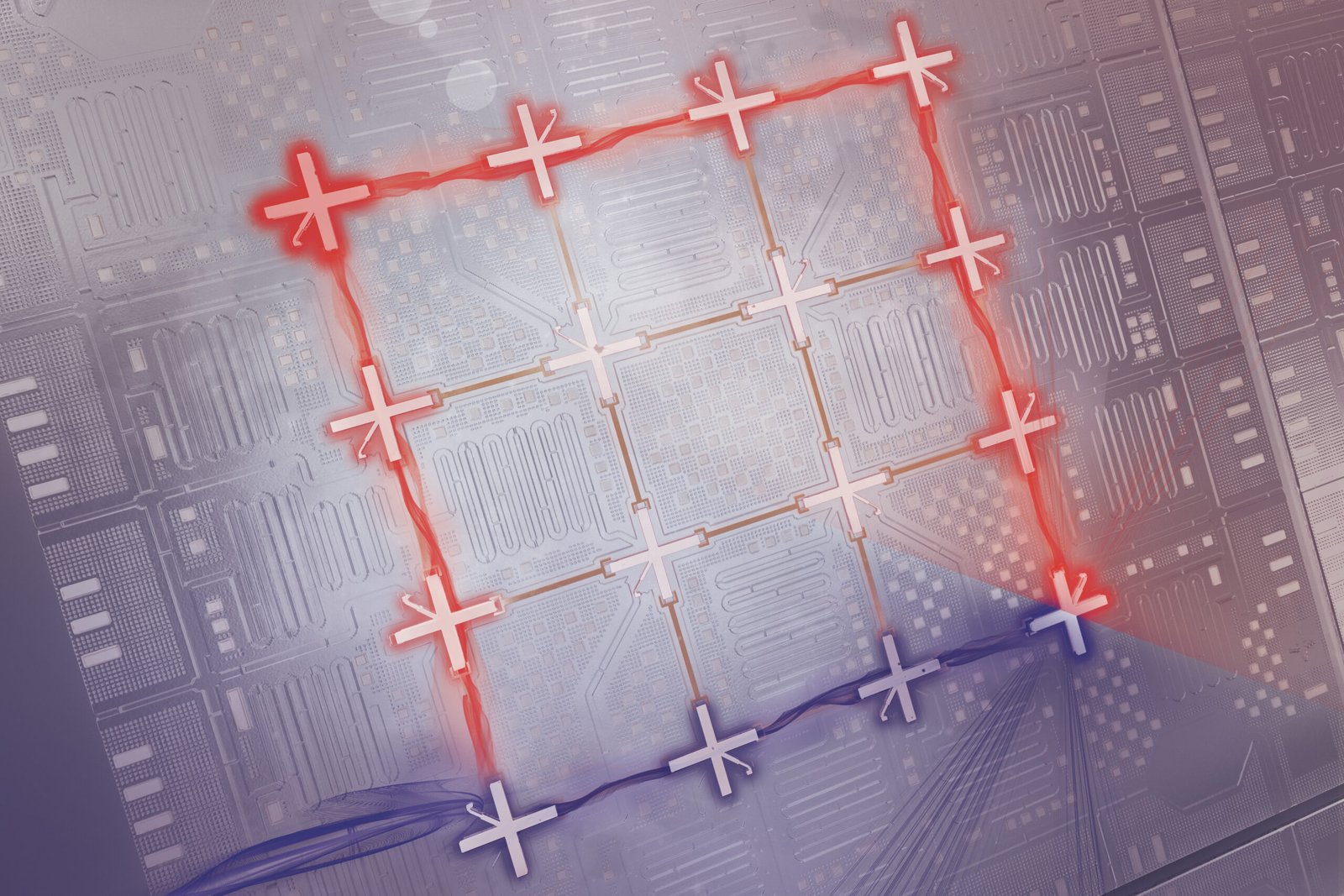
MIT researchers have created a new way to simulate how electrons behave in different materials. They used a 16-qubit superconducting quantum processor to generate synthetic electromagnetic fields. This approach allows scientists to explore material properties more accurately. By controlling how qubits interact, the team can mimic how electrons move within atoms under magnetic influence. This method can help researchers better understand conductivity, polarization, and magnetization in materials. It offers a flexible way to study complex quantum behaviors that are hard to replicate with classical computers.
Implications for Future Material Research and Electronics
This advancement could accelerate the discovery of new semiconductors, insulators, and superconductors. The ability to simulate electromagnetic effects in quantum systems enables scientists to analyze how different materials respond to magnetic fields. It reduces the need for physical fabrication of new samples for each experiment. While quantum computers are still developing, this work demonstrates their potential as powerful tools for material science. As researchers refine this technique, it could lead to faster, more energy-efficient electronics with improved performance. This innovative approach opens new paths for understanding and designing materials that could shape the future of electronic devices.
Continue Your Tech Journey
Dive deeper into the world of Cryptocurrency and its impact on global finance.
Access comprehensive resources on technology by visiting Wikipedia.
QuantumV1
