

Summary Points
- NASA investigated DSS-14 antenna damage, classifying it as a Type A mishap.
- The antenna will undergo repairs and upgrades, remaining offline until 2028.
- Findings emphasized improved training, procedures, and safety across the Deep Space Network.
- Despite the incident, other antennas continue supporting over 40 ongoing missions.
Investigation Overview and Findings
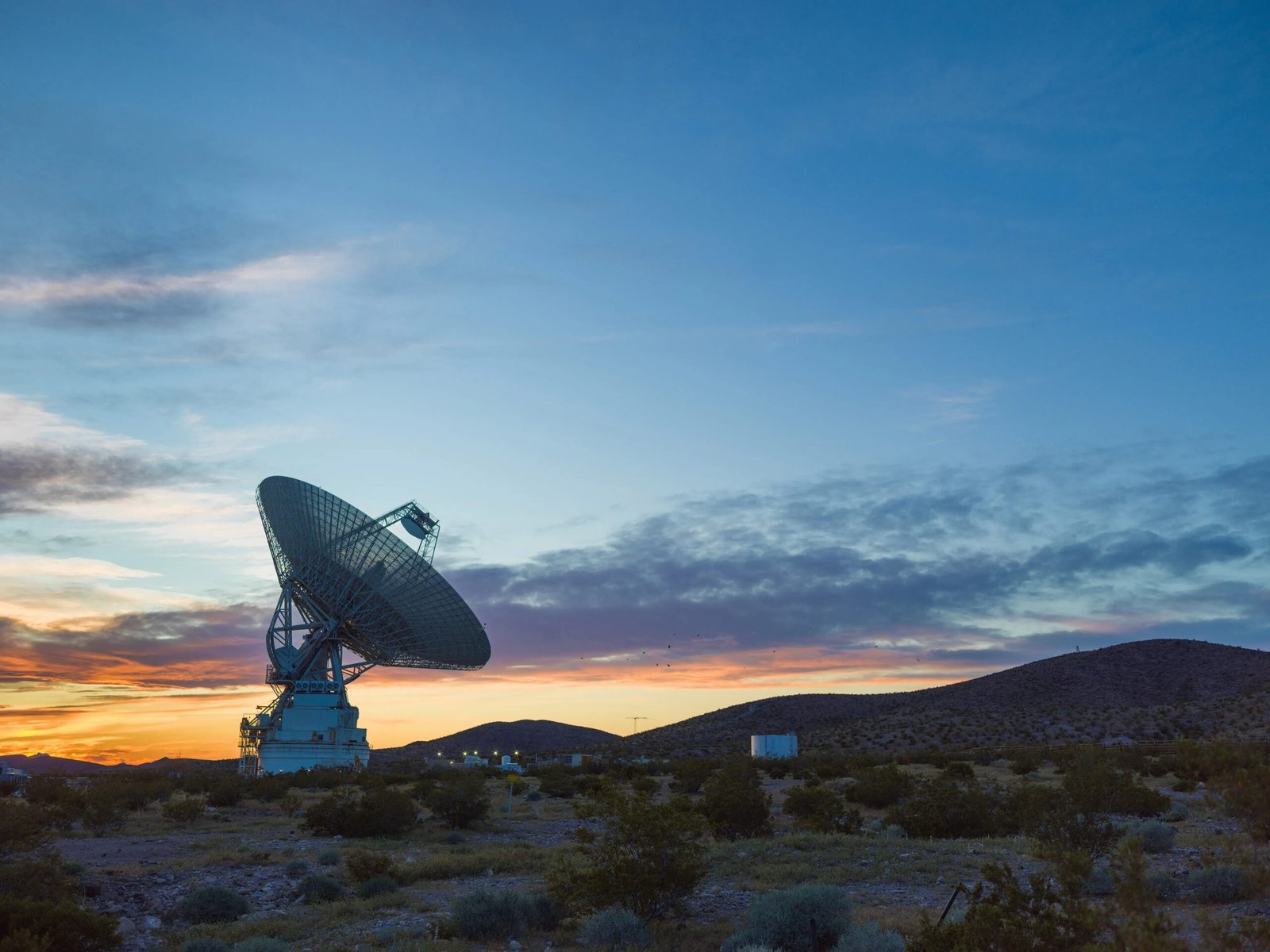
NASA has completed its investigation into the damage to the Deep Space Station 14 (DSS-14), a crucial 70-meter radio-frequency antenna at the Goldstone Deep Space Communications Complex in California. The agency classified this incident as a Type A mishap due to the significant costs of repair. The DSS-14 will remain offline as repairs and upgrades are underway.
The mishap occurred on September 16, 2025, while the antenna was tracking the Juno mission. It over-rotated, straining cables and structural supports. This incident also caused damage to water lines associated with the antenna’s fire-suppression system, leading to considerable flooding. Fortunately, no injuries were reported.
NASA formed a Mishap Investigation Board comprising experts from various fields. They conducted on-site inspections, interviewed staff, and reviewed operational logs from all three Deep Space Network sites. The board identified several contributing factors to the mishap, including software weaknesses, human error, and a failure in the antenna’s hydraulic limit system. This final mechanical safeguard was inoperable due to damage from an earlier, undocumented incident.
Operators faced pressure to resolve issues quickly, which led them to exceed their usual roles and expertise. This cultural dynamic did not reflect current practices at the network’s other facilities, where clearer roles and responsibilities are enforced. Additional issues highlighted in the report include inadequate procedures, reliance on undocumented practices, and gaps in the control logic of the antenna.
Future Improvements and Impact on Operations
NASA plans to act on the report’s findings by improving training, enhancing technical procedures, and reinforcing operational discipline across the Deep Space Network. The agency is committed to modernizing systems to prepare DSS-14 for future missions.
Repair costs are estimated to range from $4.1 million to $4.6 million, pending a full assessment of the antenna’s systems. While DSS-14 undergoes repairs and upgrades, which began in August and are expected to last until October 2028, the Deep Space Network will continue to support over 40 missions. The remaining 13 antennas in the network ensure uninterrupted tracking and data return for global exploration and science initiatives.
NASA emphasizes that every challenge offers valuable lessons. Teams across all network sites are already implementing measures to strengthen processes and maintain operational consistency. This incident serves as a catalyst for change, setting a higher standard for safety and reliability throughout NASA’s communications infrastructure.
For further details, the full investigation report is available for review at NASA’s official website: NASA DSS-14 Mishap Investigation Report.
Continue Your Tech Journey
Dive deeper into the world of Cryptocurrency and its impact on global finance.
Access comprehensive resources on technology by visiting Wikipedia.
Space
