

Quick Takeaways
-
Lack of Utility: The transition from the Glyph Interface to the Glyph Matrix has resulted in limited practical applications, with community-developed apps failing to significantly enhance the user experience.
-
Inconsistent Functionality: Issues such as miscalibrated tools (e.g., the compass) and the impracticality of existing apps highlight the shortcomings in functionality and reliability of the Glyph Matrix.
-
Underdeveloped Ecosystem: Despite three months of open development, there are fewer than a dozen apps specifically for the Glyph Matrix, leaving it feeling underutilized and lacking developer support.
-
Frustration with Design: The innovative design of the Glyph Matrix has not translated to meaningful improvements in everyday functionality, leading users to question the value of its unique features.
Nothing’s Glyph Matrix: Style Over Substance After Three Months
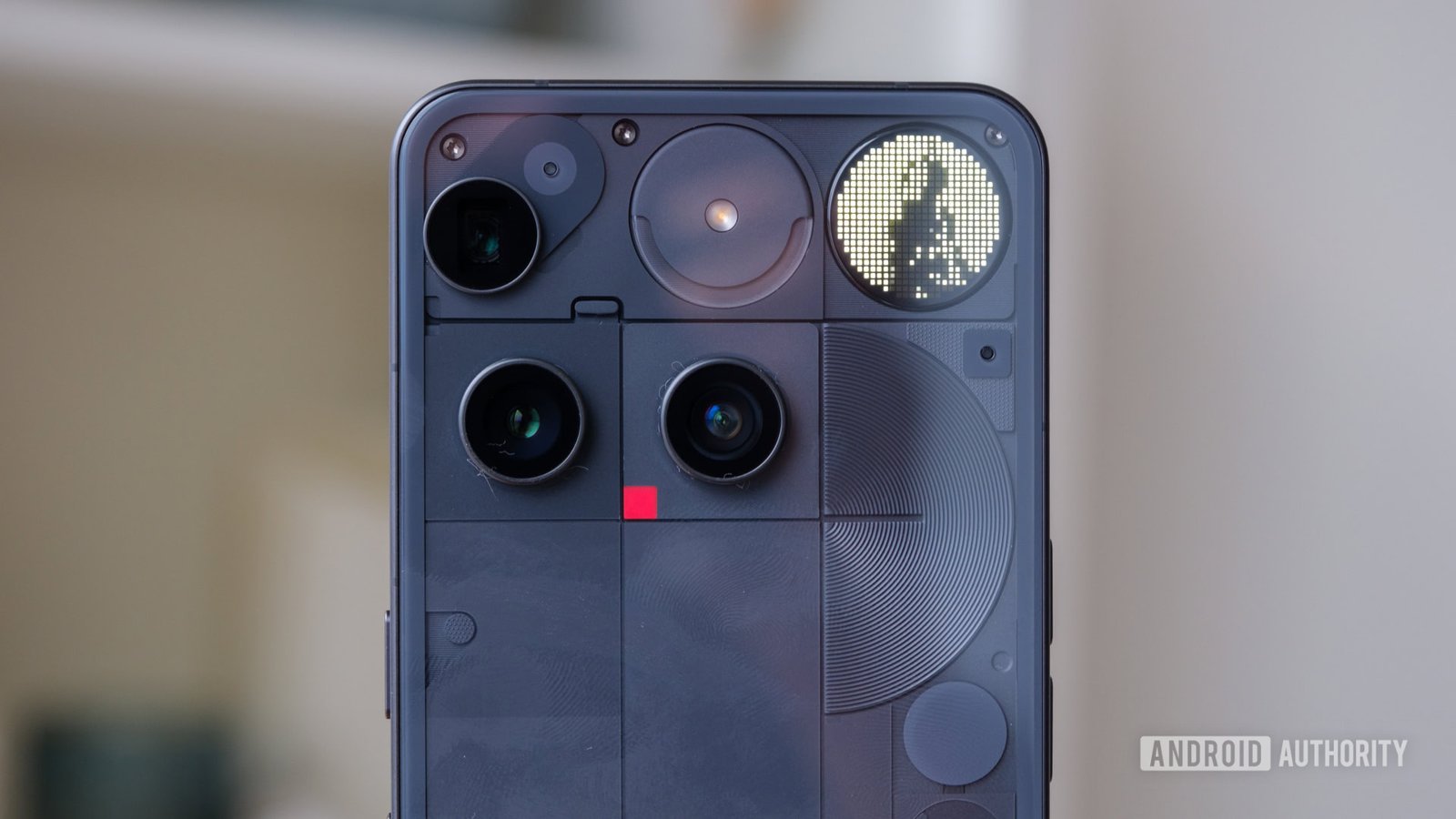
Three months have passed since Nothing introduced its Glyph Matrix with the Phone 3. Many enthusiasts hoped for significant enhancements, yet the features still feel more like gimmicks than game-changers.
Transitioning from a line-based to a dot-based Glyph Interface, the decision sparked interest but raised concerns about practicality. Initial excitement fizzled as users tested various Glyph-themed apps, seeking something truly beneficial. While a few, like Glyph Dial, show promise—enabling quick contact access—most of the offerings lack real utility.
For instance, the digital leveler serves its purpose for minor tasks, but users need to balance their phones to get accurate readings. Likewise, a coin flip simulator lacks convenience compared to physically carrying a coin. Developers have begun creating applications, enhancing the ecosystem, yet the overall impact remains limited. Despite some community-driven innovations, the Glyph Matrix hasn’t truly transformed users’ daily smartphone experiences.
Recent updates have included community favorites, like a compass tool, but not without flaws. Users increasingly report inconsistent directions, undermining trust in a feature meant to enhance navigation. In well-organized areas, familiarity reduces the risk of misdirection, but in complex urban settings, reliance on an unreliable compass could lead to confusion.
Further complicating matters, developers have yet to fully embrace the Glyph Matrix. With a sparse selection of apps in the Play Store, users find fewer than a dozen options, many still reflecting the previous design. This lack of engagement leads to frustration among early adopters who expected more innovation by now.
As anticipation grows, many users remain eager for a more substantial update. Independent developers have shown creativity, yet a lack of support from Nothing itself raises questions about the future of the Glyph Matrix. Without a concerted effort to improve its functionality, the excitement surrounding this distinctive feature risks becoming a mere memory.
In a rapidly advancing tech landscape, practicality often outweighs novelty. Users seek reliability alongside innovation, and it’s crucial for Nothing to demonstrate a commitment to enhancing the Glyph Matrix experience. Only then can it truly transform from a stylish concept into a practical tool for daily life.
Discover More Technology Insights
Explore the future of technology with our detailed insights on Artificial Intelligence.
Explore past and present digital transformations on the Internet Archive.
GadgetsV1
