

Fast Facts
-
Critical Endangerment: The North Atlantic right whale, with only about 370 remaining, relies on tiny Calanus finmarchicus zooplankton as a primary food source, making their survival increasingly precarious.
-
Innovative Tracking: Utilizing NASA satellite data, researchers developed a method to detect Calanus swarms from space by observing changes in ocean color due to the zooplankton’s reddish pigment.
-
Dual Benefits: This tracking approach aims to protect the whales from vessel strikes and fishing gear entanglements while enhancing operational efficiency for maritime industries.
- Future Enhancements: The upcoming PACE satellite will improve zooplankton detection capabilities significantly with advanced technology, providing critical data to aid in whale conservation efforts.
NASA Data Helps Map Tiny Plankton That Feed Giant Right Whales
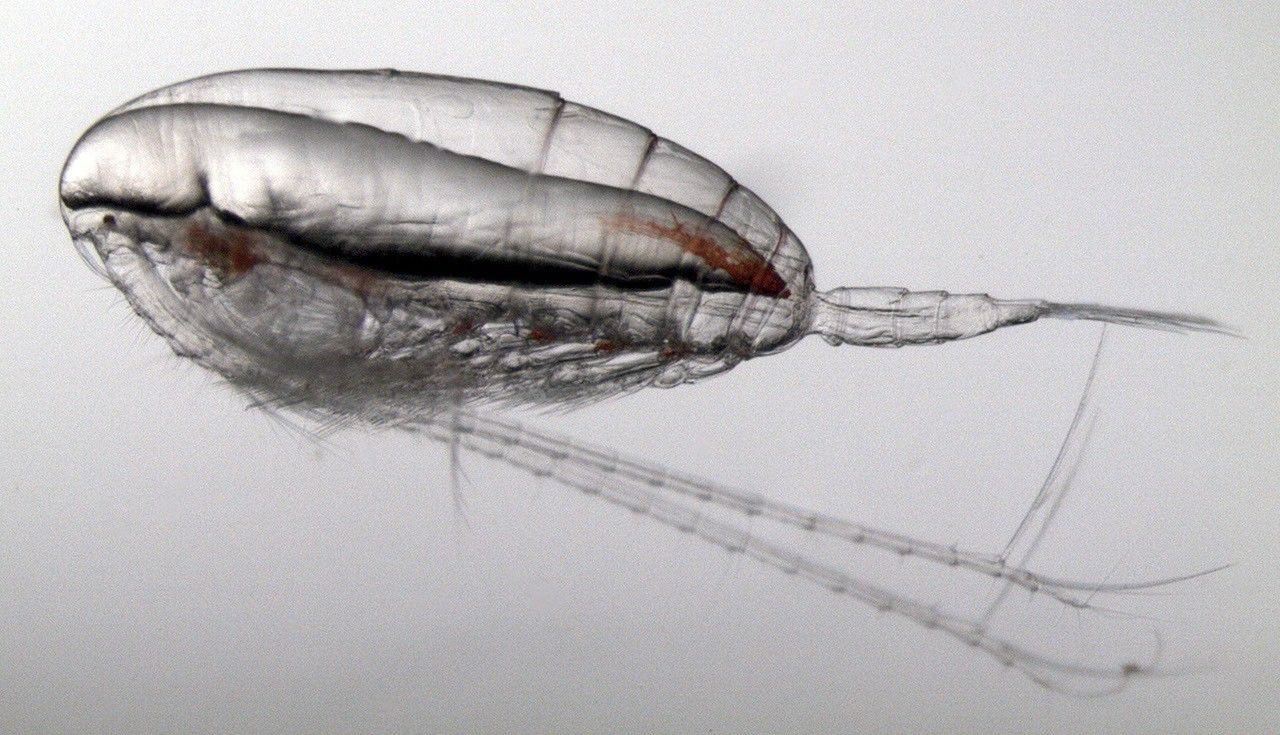
In the waters off New England, North Atlantic right whales glide through the ocean, mouths open wide. They rely on tiny reddish zooplankton, called Calanus finmarchicus, for survival. These creatures, comparable in size to grains of rice, form a crucial part of the whales’ diet. Unfortunately, only about 370 of these majestic whales remain.
Traditionally, researchers tracked these plankton by deploying vessels into the ocean. They towed nets and counted samples manually, which was time-consuming and labor-intensive. However, scientists are now leveraging technology from above.
Using NASA satellite data, researchers can detect Calanus swarms at the ocean’s surface. The satellites pick up the animals’ natural red pigment, providing a new way to locate these essential food sources. This innovative method could help scientists estimate where plankton gather, which can, in turn, indicate where whales may feed.
By tracking zooplankton from space, researchers aim to benefit both the whales and the maritime industries. Anticipating where these whales might feed can significantly reduce collisions with ships and dangerous fishing gear entanglements. Such measures are vital for preserving this endangered species. Additionally, understanding feeding patterns could increase efficiency for shipping and fishing operations.
NASA’s Cynthia Hall emphasized the importance of this research. She noted that it connects space-based observations with real-world challenges, showcasing NASA’s commitment to practical applications for communities and ecosystems.
The approach relies on data from NASA’s Aqua satellite, specifically from the Moderate Resolution Imaging Spectroradiometer (MODIS). This technology does not visualize the copepods directly; instead, it analyzes how sunlight interacts with the ocean’s surface. When large swarms of zooplankton surface, their reddish pigment alters the sunlight spectrum. MODIS detects these changes, creating a unique opportunity for monitoring marine life.
Researchers previously piloted a satellite method to identify copepods in Norwegian waters. They refined this technique and applied it to the Gulf of Maine, an essential feeding ground for the whales. By combining satellite observations with field data, they produced enhanced images that show where Calanus swarms congregate.
North Atlantic right whales have become increasingly unpredictable in their movement patterns over the years. This change has led to dangerous encounters with ships and fishing gear. The National Oceanic and Atmospheric Administration (NOAA) has declared an “unusual mortality event” in response to this alarming trend. Since 2017, 80 right whales have perished or sustained serious injuries.
The Gulf of Maine presents fewer shipping risks, yet complexities arise from lobster fishing gear. As the number of whales fluctuates, fishermen face challenges in adjusting to sudden population increases. Accurate predictions could offer them vital time to adapt.
Though promising, the current Calanus-tracking method has limitations. Since MODIS detects the copepods’ pigment, other reddish organisms may cause confusion. Additionally, environmental factors like cloud cover or rough seas complicate data collection.
Looking ahead, NASA’s upcoming PACE (Plankton, Aerosol, Cloud, ocean Ecosystem) satellite promises to significantly enhance plankton detection. Slated for launch in 2024, PACE will utilize advanced technology to capture more detailed ocean data.
The new satellite will detect over 280 wavelengths of light, compared to the 10 wavelengths MODIS can analyze. This increased capacity will provide finer details about ocean color and the types of plankton present.
Local experts continue to play a critical role in interpreting seasonal plankton patterns. The goal remains not perfect detection, but rather adding valuable tools for decision-making in marine resource management. With better insights, scientists and industries alike can work together to safeguard right whales and the ecosystems they inhabit.
Continue Your Tech Journey
Dive deeper into the world of Cryptocurrency and its impact on global finance.
Access comprehensive resources on technology by visiting Wikipedia.
SciV1
