

Essential Insights
-
Innovative Catalyst: Researchers at Politecnico di Milano developed a groundbreaking single-atom catalyst that adapts its chemical activity, marking a significant advance in sustainable chemistry.
-
Dynamic Functionality: For the first time, a catalyst can change its catalytic function based on the chemical environment, allowing more efficient and clean complex reactions through a molecular switch mechanism.
-
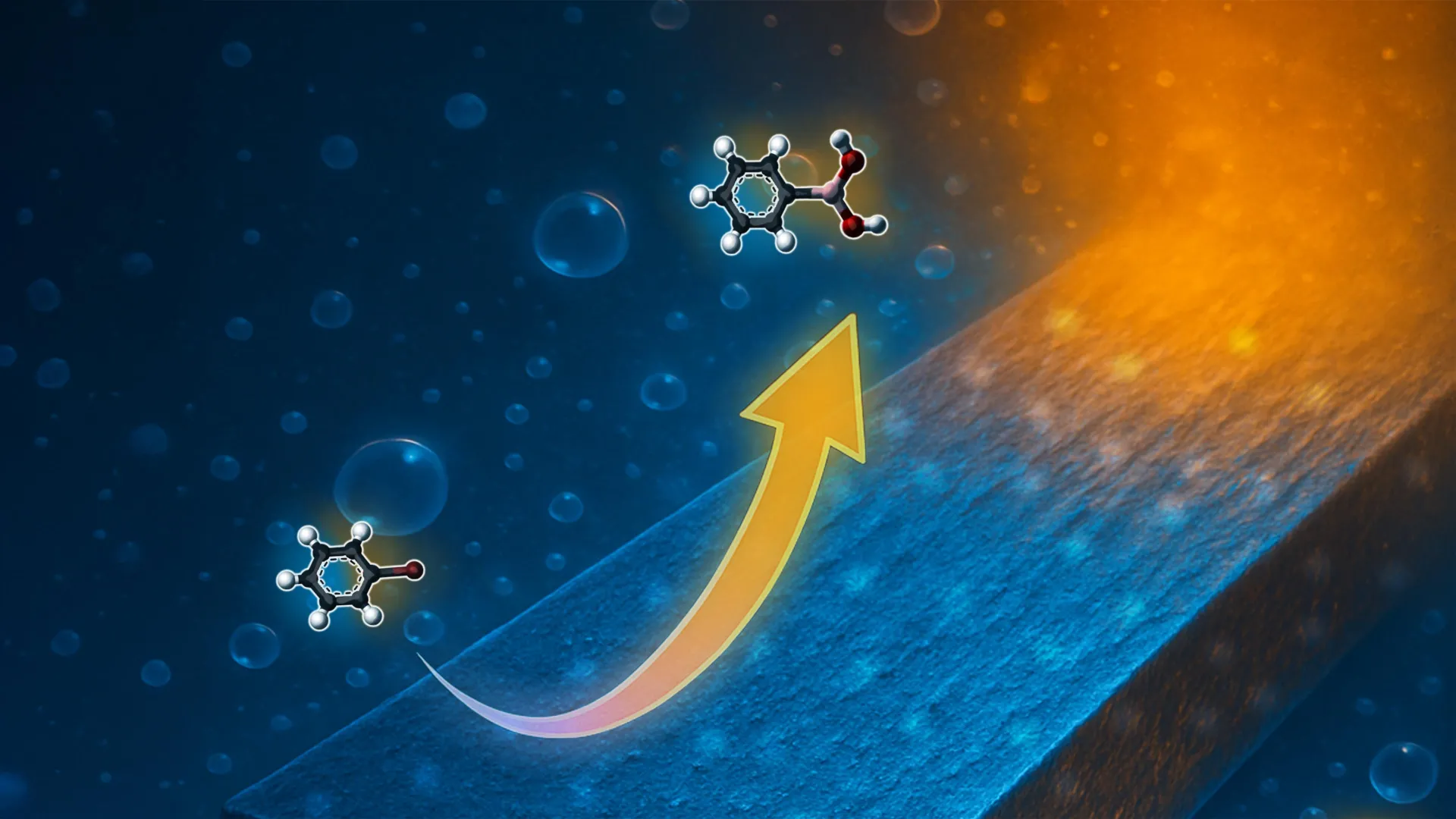
Palladium-Based System: The catalyst, based on palladium and encapsulated in a specialized organic structure, enables controlled modulation between bioreaction and carbon-carbon coupling by adjusting reaction conditions.
-
Sustainability Impact: The new catalyst showcases impressive stability, recyclability, and reduced environmental impact, with studies indicating decreased waste and less use of hazardous reagents, benefiting various industrial processes.
A Catalyst for Change
Scientists at the Politecnico di Milano have made remarkable strides in green chemistry. They developed a single-atom catalyst that adapts its chemical activity based on its environment. This breakthrough enables more efficient and programmable industrial processes. By utilizing a system that acts like a ‘molecular switch,’ the catalyst can toggle between bioreaction and carbon-carbon coupling depending on reaction conditions. This innovation showcases a path toward cleaner and more sustainable chemical transformations.
Moreover, the palladium-based catalyst demonstrates impressive stability and recyclability. As a result, it significantly reduces waste and the use of hazardous materials. The extensive green analyses confirm its potential to lessen the environmental impact of chemical processes. Collaborations with universities worldwide bolstered this effort, highlighting the importance of global scientific partnerships in driving sustainable technology.
Implications for the Future
The practical applications of this shape-shifting catalyst could transform multiple industries. By enhancing catalytic flexibility, it promises to make chemical reactions more targeted and efficient. As businesses seek to minimize environmental footprints, this technology can provide a vital solution. Scientists illustrate a future where industry adapts not only to demand but also to environmental standards.
However, widespread adoption will require further research and industrial commitment. Manufacturers must evaluate the cost-effectiveness and scalability of this technology. Additionally, society must support innovations that prioritize sustainability. Ultimately, advancements like this catalyst embody a crucial step in the human journey toward a greener and more efficient future. The potential for change is immense, and the time to embrace it is now.
Expand Your Tech Knowledge
Stay informed on the revolutionary breakthroughs in Quantum Computing research.
Access comprehensive resources on technology by visiting Wikipedia.
TechV1
