

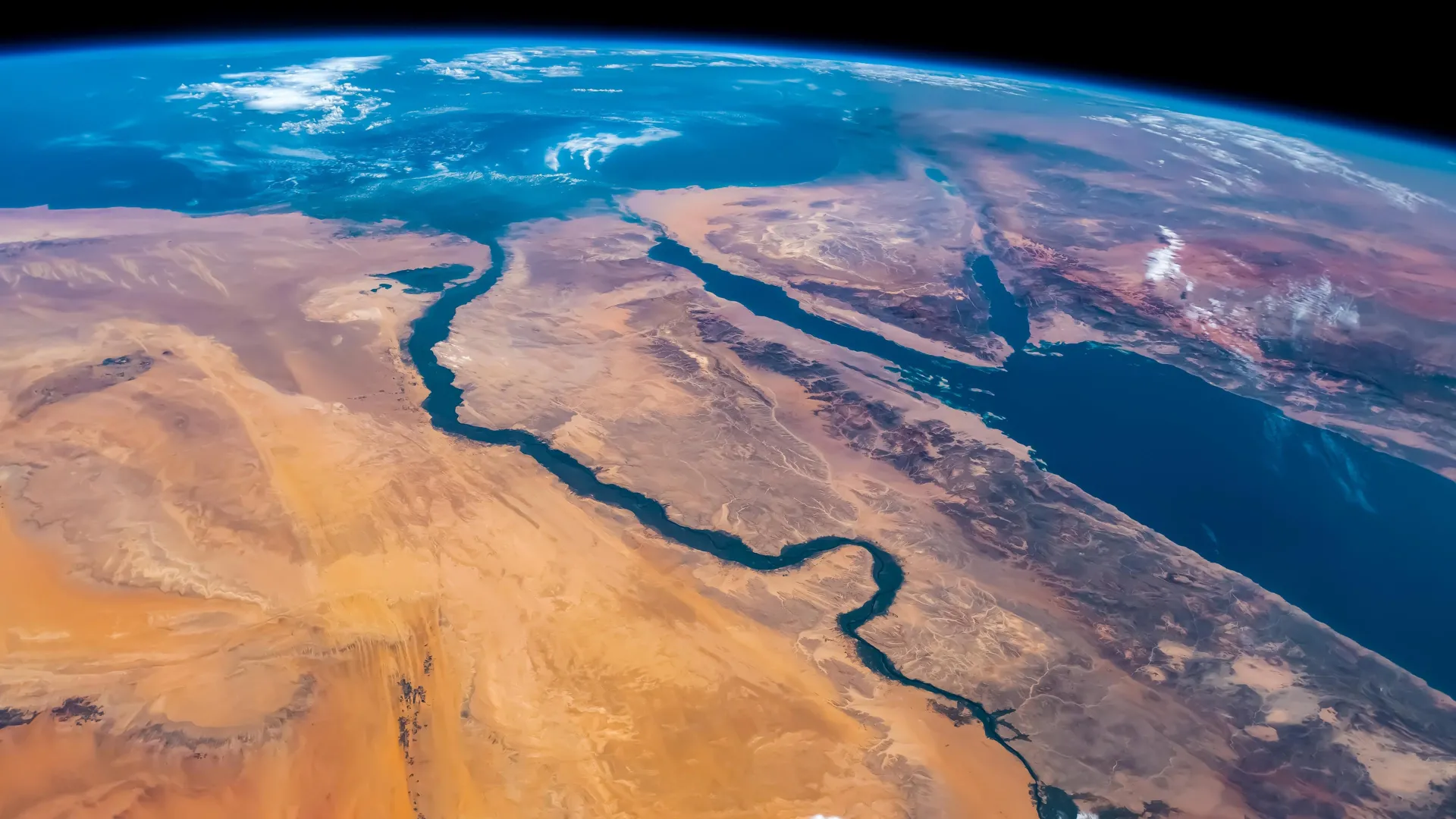
Essential Insights
-
Catastrophic Event: Scientists at KAUST confirm the Red Sea completely dried out 6.2 million years ago, followed by a rapid refilling from the Indian Ocean due to a catastrophic flood.
-
Rapid Transformation: This geological transformation occurred in less than 100,000 years, marking a significant environmental change from a salt-filled basin back to a thriving marine ecosystem.
-
Geological Significance: The Red Sea’s formation and subsequent drying and reflooding provide essential insights into ocean formation and the interplay of climate and tectonics over millions of years.
-
Ongoing Research: KAUST’s findings solidify its leadership in Red Sea research, highlighting its historical extremes and the resilience of its marine life.
How the Indian Ocean Flooded the Red Sea
Approximately 6.2 million years ago, the Red Sea vanished. Initially, it connected to the Mediterranean Sea, but then it became a salt-filled basin. Scientists at King Abdullah University of Science and Technology reveal that this dramatic shift happened in a mere 100,000 years. This timeframe, while short in geological terms, represents an enormous environmental transformation.
Seismic imaging and microfossil studies show how a volcanic ridge separated the Red Sea from the Indian Ocean. Soon after, a catastrophic flood broke through this barrier, leading to a turbulent rush of seawater that carved a 320-kilometer canyon on the seafloor. This flood quickly refilled the basin, restoring marine life and creating a lasting connection between the Red Sea and the wider ocean. The event serves as a reminder of nature’s capacity for change, even over rapid geological periods.
Why the Red Sea Matters Geologically
The history of the Red Sea holds significant implications for our understanding of ocean formation. Initially an evolving rift, it served as a vibrant habitat until evaporation led to increased salinity, wiping out marine life. After the Indian Ocean flood, the ecosystem rebounded, demonstrating resilience.
More importantly, these findings help us understand how environmental extremes shape our planet. Researchers view the Red Sea not just as a body of water but as a natural laboratory. It illustrates how climate and tectonics interact over millions of years. The Red Sea’s history underscores the interconnectedness of global ocean systems, shedding light on how oceans undergo periods of both drying and renewal. This knowledge is invaluable as we face contemporary challenges related to climate change and ocean health.
Discover More Technology Insights
Explore the future of technology with our detailed insights on Artificial Intelligence.
Access comprehensive resources on technology by visiting Wikipedia.
TechV1
