

Summary Points
-
New Antibiotic Target Identified: Scientists discovered how bacteriophages shut down MurJ, a crucial protein for bacterial cell wall formation, presenting a promising target for new antibiotics.
-
Urgent Need for Solutions: With bacteria rapidly evolving resistance to existing antibiotics, innovative strategies targeting bacterial peptidoglycan biosynthesis are crucial to combat rising public health crises.
-
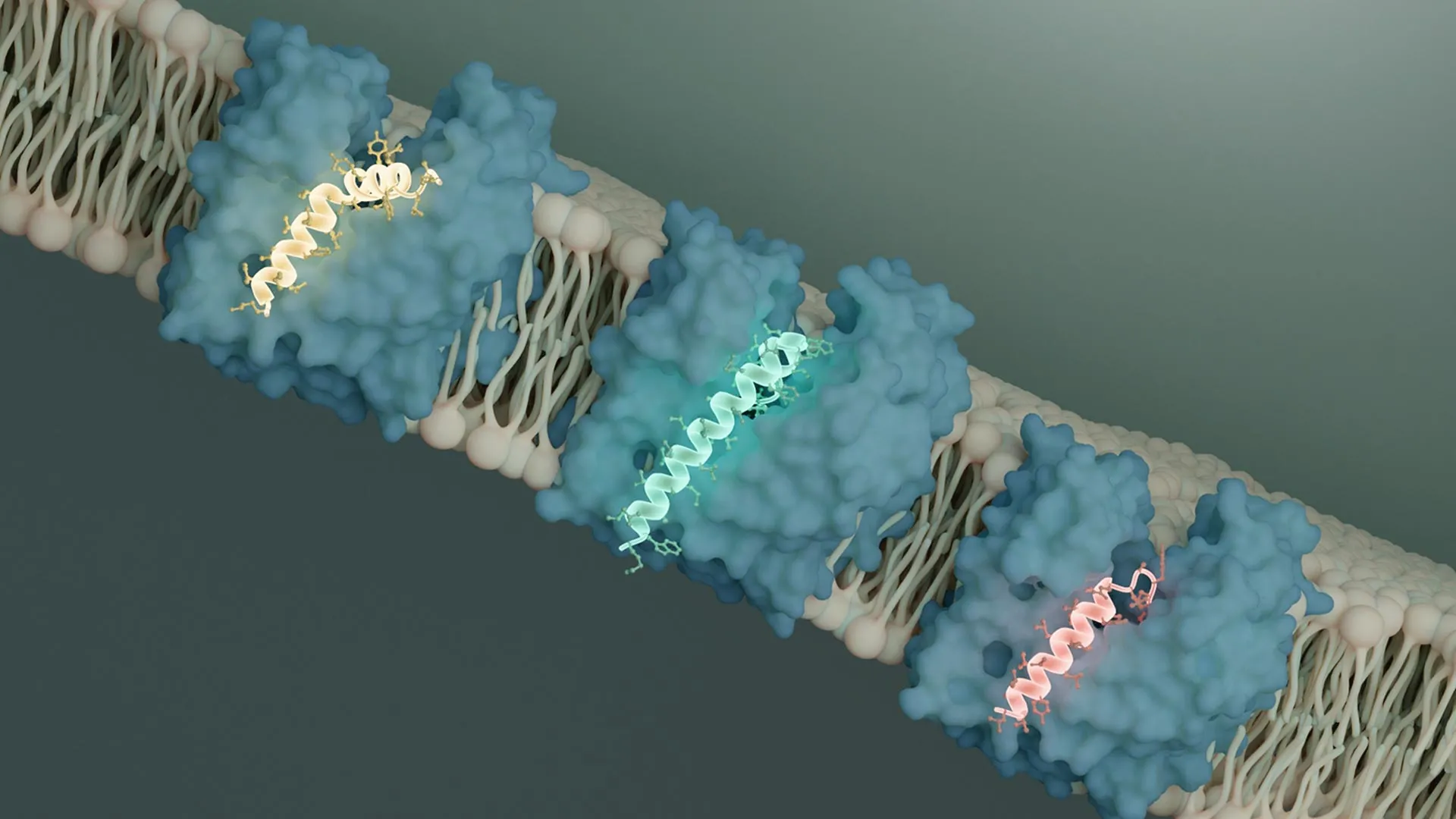
Convergent Evolution of Viral Strategies: Different bacteriophages independently developed proteins (SglM, SglPP7, SglCJ3) that inhibit MurJ in similar ways, underscoring the potential of evolutionary insights in discovering new drug targets.
-
Future Research Directions: The findings encourage further exploration of phage genomes for additional lysis proteins, aiming to leverage these discoveries into effective therapeutics against antibiotic-resistant bacteria.
The Urgent Need for New Antibiotics
Antibiotic resistance threatens public health worldwide. Bacteria evolve quickly, often outpacing our medical solutions. Thousands of deaths occur annually in the U.S. alone due to these resistant infections. Scientists emphasize the need for novel antibiotics to combat this crisis. Existing treatments grow less effective, highlighting the urgency for fresh approaches.
Researchers focus on bacterial weaknesses to develop new therapies. The peptidoglycan biosynthesis pathway emerges as a key target. This pathway is vital for building bacterial cell walls and unique to bacteria, making it an attractive antibiotic target. Current antibiotics disrupt this process, but they often face resistance. Therefore, scientists seek to exploit new vulnerabilities in bacterial structures.
Exploring a Revolutionary Discovery
Recent findings unveil a unique method of targeting bacteria. Researchers discovered that certain viruses, known as bacteriophages, can inhibit a crucial bacterial protein called MurJ. This protein aids in moving materials necessary for the cell wall. Interestingly, different phages evolved to block MurJ in similar ways, showcasing a promising convergence in evolution.
These viral proteins prevent MurJ from functioning effectively, leading to bacterial death. Importantly, the outward-facing conformation of MurJ makes it more accessible for future drug designs. Researchers believe that isolating and studying more bacteriophages could reveal additional antibiotic targets. This innovative approach exemplifies the power of basic biology to inform medicine. By exploring nature’s solutions, scientists aim to develop therapies to mitigate the growing threat of superbugs.
Continue Your Tech Journey
Explore the future of technology with our detailed insights on Artificial Intelligence.
Explore past and present digital transformations on the Internet Archive.
TechV1
