

Top Highlights
-
2026 Winter Olympics & Paralympics: Cortina d’Ampezzo, co-hosting with Milan, is set against the stunning backdrop of the Dolomites, featuring existing and refurbished venues for various winter sports.
-
Key Venues: Major competitions will take place at Tofana di Mezzo for alpine skiing, the Cortina Sliding Centre for bobsled and luge, and the Cortina Curling Olympic Stadium, all highlighting a commitment to using established facilities.
-
Snowmaking and Climate Challenges: With below-average snowfall, the Games will rely on manufactured snow powered by renewable energy, reflecting ongoing concerns about climate change and its impact on winter sports.
-
Future Considerations: Researchers suggest strategies to combat climate-induced challenges, including hosting events at higher elevations and adjusting the scheduling of the Paralympics for better snow conditions.
Reaching Top Speed in the Dolomites
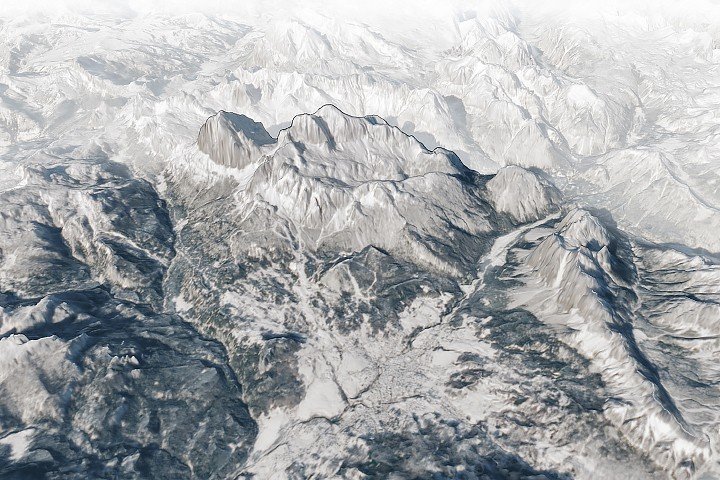
Cortina d’Ampezzo, a picturesque town in northern Italy, prepares for the 2026 Winter Olympics and Paralympics. Nestled in the Dolomites, this location boasts breathtaking scenery and rich sports history.
Athletes will race down the slopes of Tofana di Mezzo, the area’s third-highest peak. Here, the Tofane Alpine Skiing Centre will host women’s Alpine skiing and all Paralympic skiing events. Skiers will tackle a challenging 750-meter descent, hitting remarkable speeds as they navigate the steep, 33-degree drop known as the Tofana Schuss.
Meanwhile, the Cortina Sliding Centre buzzes with excitement. Athletes will compete in bobsled, luge, and skeleton events on a refurbished track from the 1956 Olympics. Transitioning from speed to strategy, curlers will seek victory at the Cortina Curling Olympic Stadium, built for the 1956 figure skating competition.
The Olympic venues leverage both natural and artificial snow. Despite below-average snowfall early in the season, a late snowstorm offered some relief. Snowmaking technology, powered largely by renewable energy, aims to provide consistent conditions. New high-elevation reservoirs will store water, optimizing these snow production methods.
Event organizers acknowledge climate change challenges. Many researchers recommend holding competitions at higher elevations or relocating events to earlier dates to avoid warmer temperatures. These adaptations could sustain the Winter Olympic spirit and ensure athletes enjoy fair conditions.
The 2026 Winter Games not only affirm sportsmanship but also highlight the intersection of technology, environment, and sustainability. As athletes speed toward their goals, their journeys reflect broader considerations of climate and resource management. Through innovation and collaboration, the Olympics in the Dolomites aim to inspire and entertain while embracing ecological responsibility.
Stay Ahead with the Latest Tech Trends
Dive deeper into the world of Cryptocurrency and its impact on global finance.
Discover archived knowledge and digital history on the Internet Archive.
SciV1
