

Summary Points
-
Escalating Health Crisis: Wildfires in Canada and the Western U.S. are projected to cause an additional 30,000 deaths annually in the U.S. by 2050 due to smoke exposure, significantly higher than previous estimates.
-
Widespread Impact: No U.S. community is safe from wildfire smoke, which affects air quality across the nation, with projections indicating 70,000 annual deaths from smoke exposure under current emissions scenarios.
-
Severe Economic Costs: Smoke-related deaths could lead to an estimated $608 billion in annual damages by 2050, surpassing costs from other climate-related impacts in the U.S., including agricultural losses and storm damage.
-
Need for Action: Mitigation strategies like improved indoor air filtration and prescribed burns are essential to protect vulnerable populations, as a wide range of individuals, including children and those with health conditions, face increased exposure risks.
Understanding the Growing Threat of Wildfire Smoke
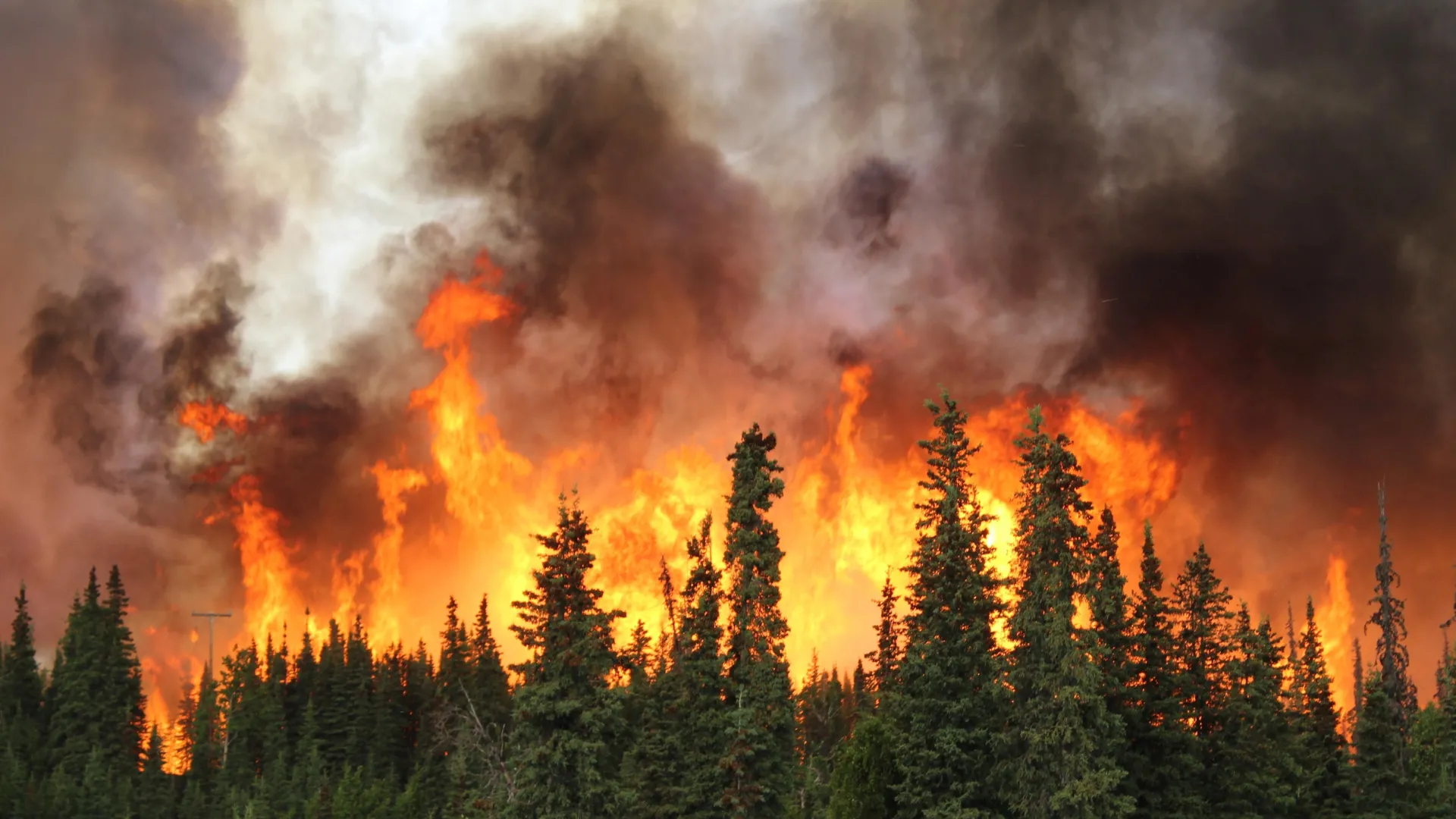
Wildfires across Canada and the Western United States have become distressingly routine. These fires emit smoke that now impacts millions of Americans. Unfortunately, the health effects associated with this smoke are severe and more extensive than many realized. A study from Stanford University estimates that climate change will escalate these challenges. By 2050, we could see an additional 30,000 deaths annually attributable to wildfire smoke alone as conditions worsen. Warmer and drier climates intensify fire activity, leading to smoke that drifts farther and lingers longer. Consequently, no community remains safe from this growing menace.
Researchers have found a significant link between wildfire smoke exposure and health risks. This pollution contains fine particulate matter, known as PM2.5, which enters the bloodstream and harms organ systems. Currently, an estimated 40,000 deaths each year connect to smoke exposure. However, projections suggest this number could rise dramatically. By 2050, annual deaths could reach 70,000, with regions like California and New York facing the most alarming increases. These figures highlight an underappreciated aspect of climate change.
Mitigating the Impact through Collective Action
While the situation appears daunting, proactive measures can help mitigate this looming health crisis. Communities and public health officials can implement better indoor air filtration systems. These systems can significantly reduce exposure for vulnerable populations, including children and those with pre-existing medical conditions. Additionally, employing techniques like prescribed burns can manage fire risks more effectively, thus decreasing the severity and frequency of devastating wildfires.
This issue transcends geographical boundaries; it affects individuals across the nation. The shared burden of smoke exposure reminds us that climate change has wide-reaching consequences. As we move forward, a collective commitment to addressing these challenges can empower communities. Solutions exist, but they require collaboration and urgency. Investing in research and resources today can alleviate the toll of wildfire smoke in the coming decades. Each step toward awareness and preparation represents not just a response to a growing threat but also a chance to shape a healthier future for all.
Expand Your Tech Knowledge
Dive deeper into the world of Cryptocurrency and its impact on global finance.
Discover archived knowledge and digital history on the Internet Archive.
TechV1
