

Fast Facts
-
Magma Reservoir Recharging: Researchers from Kobe University have discovered that the magma reservoir linked to the Kikai caldera eruption is refilling, enhancing the understanding of large caldera evolution.
-
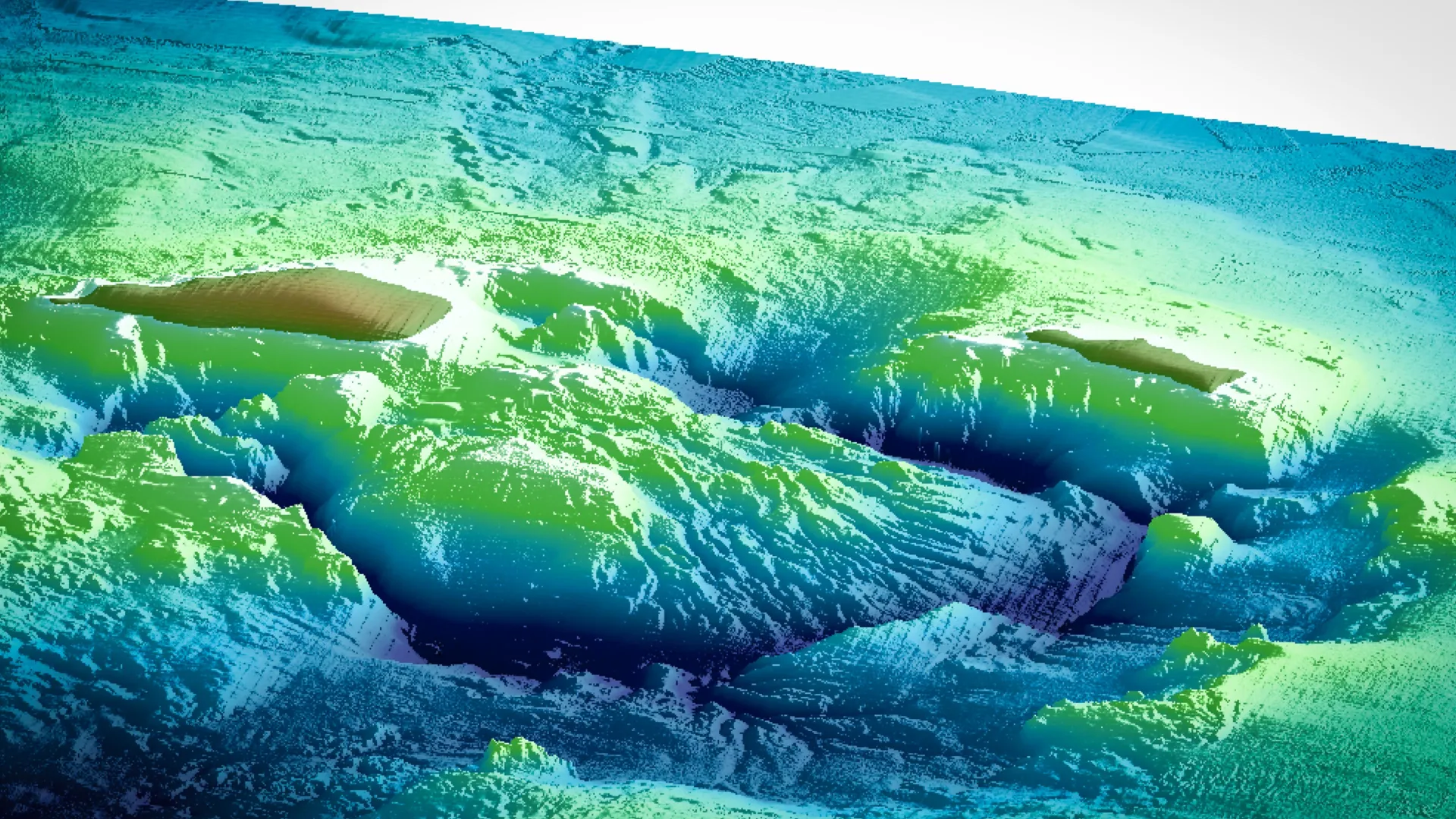
Innovative Seismic Imaging: Using underwater seismic imaging, scientists created detailed maps of the magma structures beneath the caldera, confirming the existence of a large, active magma-rich zone.
-
New Magma Injected: Chemical analysis reveals that the current magma is newly injected, distinct from that of the caldera’s last catastrophic eruption 7,300 years ago, indicating a fresh recharging process.
-
Broader Implications for Volcanology: The findings align with similar systems in major calderas like Yellowstone and Toba, aiming to improve eruption forecasting and understanding magma supply cycles post-eruption.
The Insights from Kikai Caldera
Scientists have made a groundbreaking discovery about the Kikai caldera in Japan. They found that the magma reservoir linked to its ancient eruption is recharging. This finding, led by researchers from Kobe University, sheds light on how massive volcanic systems like Yellowstone and Toba evolve. Understanding these processes is crucial. Many fear the potential destruction from supervolcanoes, as some eruptions can bury areas under immense layers of magma. Kikai last erupted 7,300 years ago, showcasing the need to grasp the buildup before future eruptions occur. As one geophysicist stated, understanding how massive amounts of magma accumulate is essential for forecasting giant eruptions.
Additionally, the underwater setting of Kikai provides a unique research opportunity. The team deployed state-of-the-art seismic equipment to explore beneath the caldera. They created detailed images of the magma structures underground. Their work confirmed a large magma-rich zone directly below the site of the ancient eruption. This mapping offers insights into the reservoir’s size and shape while revealing links to past activities.
Wider Implications for Volcanology
The latest research supports a broader theory on magma re-injection at caldera systems. Chemical analyses showed that the current magma differs from what erupted previously. Therefore, the findings suggest that fresh magma is accumulating. This discovery aligns with observations of similar processes beneath other calderas such as Yellowstone and Toba. As researchers refine their methods, they aim to better understand how these magma systems operate over time.
This knowledge holds significance for future eruption predictions. Enhanced monitoring can provide invaluable information on the indicators of potential eruptions. As researchers continue to study magma dynamics more deeply, they pave the way for improved safety measures. Ultimately, a better grasp of these volcanic systems can benefit communities living near them. Understanding is the first step towards preparedness in the face of nature’s raw power.
Expand Your Tech Knowledge
Learn how the Internet of Things (IoT) is transforming everyday life.
Stay inspired by the vast knowledge available on Wikipedia.
TechV1
