
Close Menu
    Facebook X (Twitter) Instagram
    Saturday, August 22
    Top Stories:
    • China Telecoms Boost Revenue with AI-Driven Token Factories
    • Five-Year Brain Organoids Uncover New Insights into Human Development
    • AI Cloud Growth Can’t Offset Advertising Slump as Revenue Declines
    Facebook X (Twitter) Instagram Pinterest Vimeo
    IO Tribune
    • Home
    • AI
    • Tech
      • Gadgets
      • Fashion Tech
    • Crypto
    • Smart Cities
      • IOT
    • Science
      • Space
      • Quantum
    • OPED
    IO Tribune
    Home » Stargazers Rejoice: The Perseids Make a Spectacular Return!
    Space

    Stargazers Rejoice: The Perseids Make a Spectacular Return!

    Staff ReporterBy Staff ReporterAugust 22, 2026No Comments2 Mins Read
    Share Facebook Twitter Pinterest LinkedIn Tumblr Reddit Telegram Email
    Share
    Facebook Twitter LinkedIn Pinterest Email

    Summary Points

    1. The all-night sky captured 1,706 meteors during peak Perseid activity.
    2. Most meteors were Perseids, originating from the Perseus constellation.
    3. Other showers like Kappa Cygnids and antihelion meteors are also visible.
    4. The image reveals detailed radiants and showcases diverse meteor sources.

    APOD: 2026 August 22 – Mostly Perseids

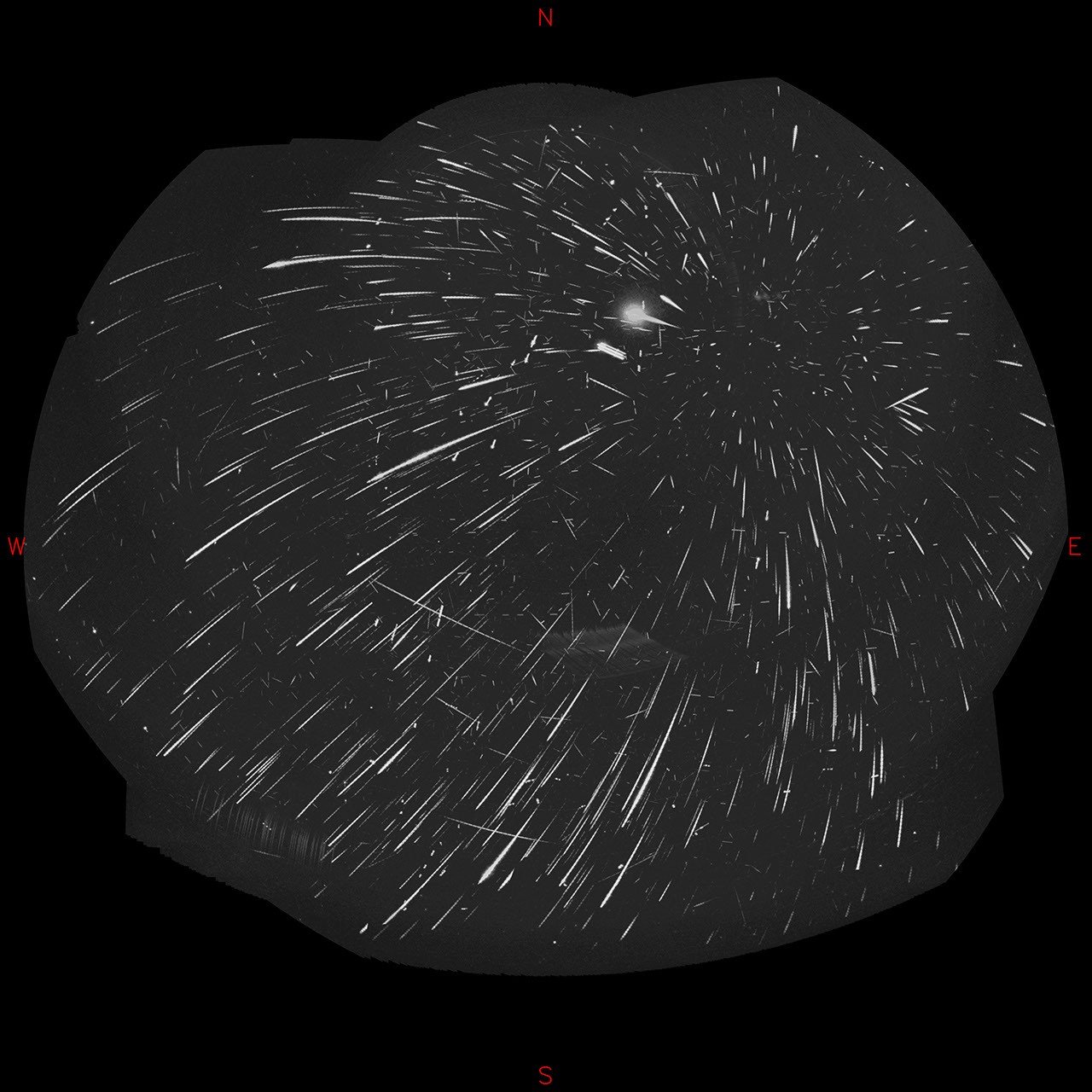
    On the night of August 12-13, four dedicated meteor-monitoring cameras at an astronomical observatory in Czechia captured a spectacular all-sky view of the night sky. By aligning and combining their images, astronomers created a detailed record of the entire night. During this period, they counted a total of 1,706 meteors streaking across the sky, most of which were Perseid meteors. This high number coincided with the peak activity of the 2026 Perseid Meteor Shower, making the Perseids the dominant meteors in the image.

    The Perseids and Their Radiant

    Most of the observed meteors are Perseids, which are flashes of light caused by small fragments from a comet entering Earth’s atmosphere at high speeds. Their trails all seem to originate from a single point in the sky, called the radiant. For the Perseids, this radiant is in the constellation Perseus, located in the upper right of the image. Because so many meteors emanate from this point, they are easy to identify. The sheer number of Perseids seen in the photograph highlights how active this meteor shower can be during its peak.

    Other Meteor Showers and Sources

    While Perseids make up most of the meteors in the image, a few are from other sources. Meteors from the Kappa Cygnids, a less active shower, cross the Perseid trails. Their radiant is in the constellation Cygnus, also visible on the image. Additionally, a faint area near Aquarius, opposite the Sun in the sky, called the antihelion complex, can produce a small number of meteors. These different radiants help astronomers understand the origins and pathways of various meteor showers.

    Tomorrow’s featured image will shift focus to an interplanetary road trip, offering a different view of the solar system.

    Stay Ahead with the Latest Tech Trends

    Dive deeper into the world of Cryptocurrency and its impact on global finance.

    Discover archived knowledge and digital history on the Internet Archive.

    Space

    APOD Cosmos NASA Space VT1
    Share. Facebook Twitter Pinterest LinkedIn Tumblr Email
    Previous ArticleIs Android Auto YouTube Worth Using in Your Car?
    Avatar photo
    Staff Reporter
    • Website

    John Marcelli is a staff writer for IO Tribune, with a passion for exploring and writing about the ever-evolving world of technology. From emerging trends to in-depth reviews of the latest gadgets, John stays at the forefront of innovation, delivering engaging content that informs and inspires readers. When he's not writing, he enjoys experimenting with new tech tools and diving into the digital landscape.

    Related Posts

    Gadgets

    Is Android Auto YouTube Worth Using in Your Car?

    August 22, 2026
    AI

    Creating a Robust Backend for My LangGraph AI

    August 22, 2026
    AI

    When Fine-Tuning SigLip Goes Wrong

    August 22, 2026
    Add A Comment

    Comments are closed.

    Must Read

    Stargazers Rejoice: The Perseids Make a Spectacular Return!

    August 22, 2026

    Is Android Auto YouTube Worth Using in Your Car?

    August 22, 2026

    Creating a Robust Backend for My LangGraph AI

    August 22, 2026

    When Fine-Tuning SigLip Goes Wrong

    August 22, 2026

    Africa’s Savannas Transform as Carbon Levels Rise

    August 22, 2026
    Categories
    • AI
    • Crypto
    • Fashion Tech
    • Gadgets
    • IOT
    • OPED
    • Quantum
    • Science
    • Smart Cities
    • Space
    • Tech
    Most Popular

    Countdown to Change: New Sea Level Satellite Ready for Liftoff!

    August 26, 2025

    Soracom Launches North American Professional Services

    April 12, 2026

    AT&T Subscribers Score Major 5G Speed Boost!

    November 18, 2025
    Our Picks

    Power Your Home and Save: Your Polestar EV’s New Secret!

    November 26, 2025

    Google Chrome Tightens Grip on Ad Blockers: What You Need to Know

    June 15, 2026

    Crafting a Sci-Fi Odyssey: Insights from Yonghee Cho on ‘Pragmata’

    May 10, 2026
    Categories
    • AI
    • Crypto
    • Fashion Tech
    • Gadgets
    • IOT
    • OPED
    • Quantum
    • Science
    • Smart Cities
    • Space
    • Tech
    • Privacy Policy
    • Disclaimer
    • Terms and Conditions
    • About Us
    • Contact us
    Copyright © 2025 Iotribune.comAll Rights Reserved.

    Type above and press Enter to search. Press Esc to cancel.