

Essential Insights
- Classical computers rely on transistors for rapid, reliable binary data processing.
- Quantum computers use qubits, exploiting superposition and entanglement for greater power.
- Qubit challenges include balancing isolation from environment with ease of control.
- Different qubit approaches include trapped ions, neutral atoms, and superconducting circuits.
Building a Quantum Computer, One Fragile Qubit at a Time
Practically all modern computers rely on tiny silicon structures called transistors. These transistors switch between “0” and “1,” allowing devices to store and process information quickly and reliably. Quantum computers, however, aim to do much more. They can potentially solve complex problems beyond the reach of classical machines by using qubits. But creating such powerful machines is extremely difficult due to the delicate nature of qubits.
Different Approaches to Qubits
Qubits are the basic units of quantum computers. Unlike classical bits, qubits can exist in multiple states at once, thanks to phenomena like superposition and entanglement. Yet, these quantum effects are fragile, easily disturbed by environmental noise. Researchers are exploring various systems to build qubits. Some use atoms; others design artificial systems.
For atomic qubits, scientists trap single atoms in vacuum chambers. They use electric fields in trapped-ion setups or laser beams called optical tweezers to hold neutral atoms in place. These systems are promising but require precise control to maintain quantum states.
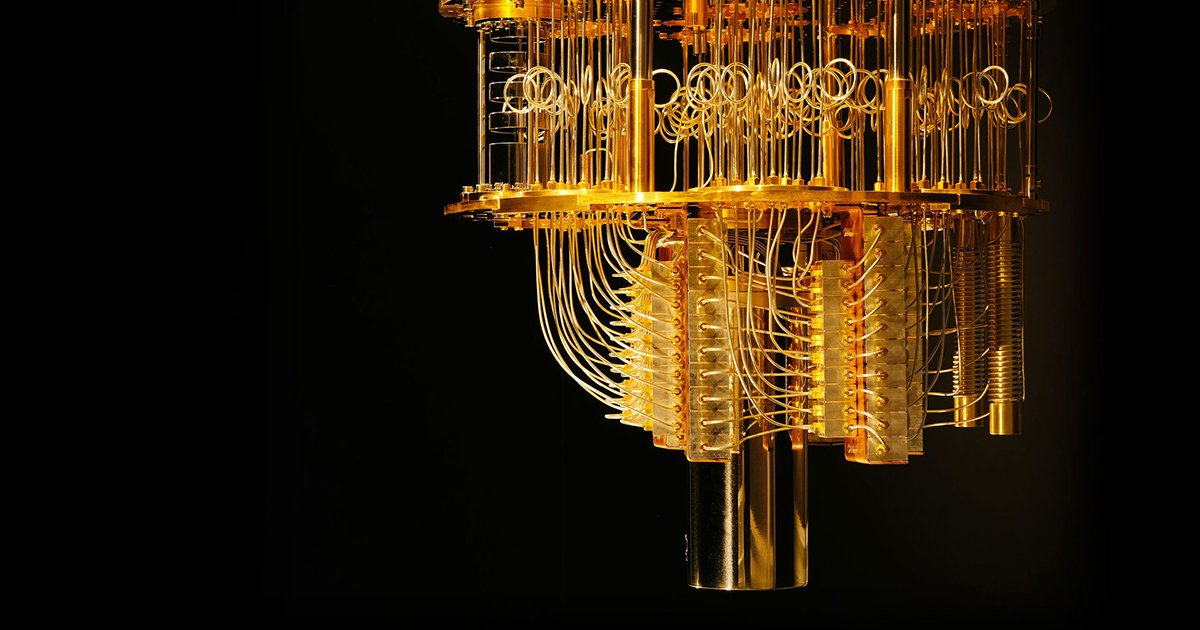
Superconducting qubits are another approach. They use tiny circuits made of metals like aluminum or niobium, which become superconductors when cooled very low. These circuits are built using methods similar to classical microfabrication. When cooled inside dilution refrigerators, they behave like qubits. Other possibilities include electron spins and photons, each with their own merits and challenges.
Challenges of Scaling Up
One of the biggest hurdles is expanding from small prototypes to large-scale quantum machines. Researchers need tens of thousands or even millions of qubits to make quantum computers truly useful. More qubits require complex control and measurement systems. While no approach has yet proven itself as the clear leader, progress continues. Building reliable, powerful quantum computers involves overcoming hurdles that are both technical and conceptual. The path forward demands a delicate balance: isolating qubits from disturbances while keeping them accessible for manipulation.
Continue Your Tech Journey
Dive deeper into the world of Cryptocurrency and its impact on global finance.
Discover archived knowledge and digital history on the Internet Archive.
QuantumV1
