

Quick Takeaways
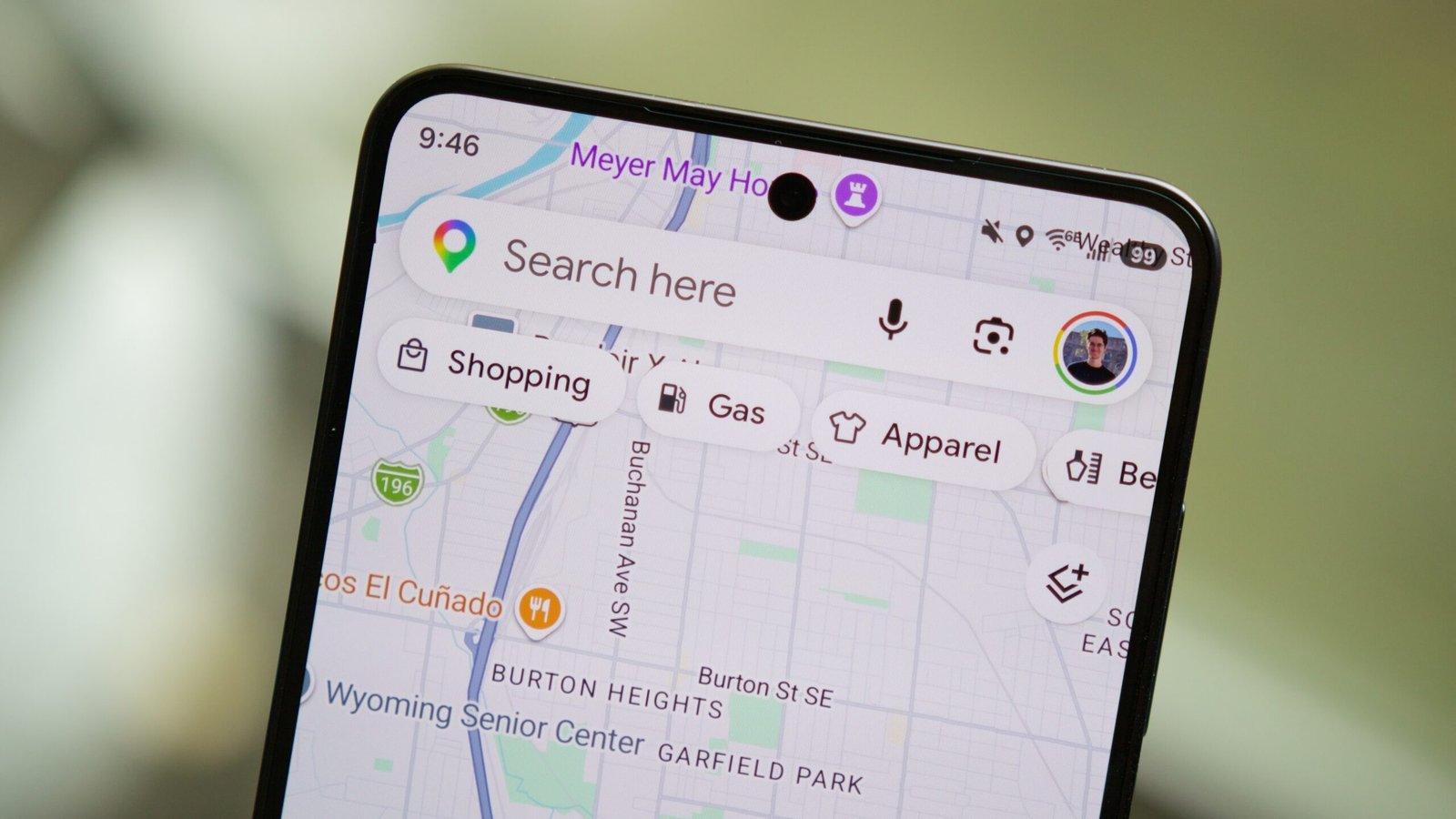
- The most popular Google Android app among poll respondents is Google Maps, favored by 36.2%, due to its comprehensive navigation and travel features.
- Google Wallet is increasingly essential for users, surpassing Google Photos in popularity and highlighting its integral role in managing cards and tickets.
- Despite its widespread use, Gmail and Calendar lag behind apps like Maps and Wallet in popularity, while Google Meet is the least favored.
- Google’s strength lies in providing simple, reliable solutions for everyday tasks—navigation, payments, and backups—that resonate most with users.
Google Maps Dominates as the Most Cherished App
Most readers agree that Google Maps is their favorite Google app. With 36.2% of votes, it clearly stands out. Maps is more than just a navigation tool. It helps users plan trips, find the best restaurants, and even check live traffic updates. Over time, Google has added new features that make it even more useful. For example, users can now see current gas prices and explore business hours and menus directly on the map. These enhancements save time and reduce stress during travel. Because of its broad capabilities, Google Maps becomes an essential part of everyday life. This app’s widespread popularity makes clear that it offers convenience and reliability, all in one place.
Google’s strength comes from collecting vast amounts of data from users. This data helps improve accuracy, traffic predictions, and local recommendations. No other app offers this level of detail, especially on Android. While some alternatives exist, they often lack Google’s rich data set. This makes Google Maps a leader in the navigation market. Most importantly, it adapts to user needs, making every journey smoother. Therefore, it’s easy to see why so many consider Google Maps their most valued Google app.
Navigation of Payments and Photos: Surprising Choices
While Google Maps takes the top spot, the race for second place reveals interesting insights. Google Wallet receives 18.2% of votes, just edging out Google Photos at 17.8%. This small difference shows how integral Wallet has become for many users. Once a simple payment service, Wallet has expanded into a comprehensive hub for cards, tickets, and even transit passes. This expansion makes managing daily transactions more seamless. Users no longer need physical cards, which improves convenience and security. Its growing popularity highlights how Google continually enhances Wallet’s features to meet evolving needs.
Meanwhile, Google Photos remains a well-loved service, especially for backing up memories. The app offers automatic photo organization and easy sharing options. Recent updates have brought AI-powered features, like automatic tagging and smart albums, enhancing user experience. Despite its slight decline in poll votes compared to Wallet, Photos still holds value for those wanting a reliable backup and organization tool. Both apps show Google’s focus on making everyday tasks easier—whether it’s paying, storing, or organizing life’s moments.
Interestingly, Gmail, which you might expect to be the most popular, received only 10.3% of votes. Its lower percentage might surprise many, but it reflects the fact that users may prefer other apps for specific purposes like payments or storage. This pattern indicates that Google’s apps work best when they serve different needs in daily life. Wallet and Photos, for instance, provide tangible value in managing money and memories, respectively. These choices reveal what users find most practical and essential in their routines.
Less Popular but Still Valuable Apps
On the other end of the spectrum, Google Meet ranks as the least favorite among the listed apps, with only 2% of votes. Despite the rise in virtual meetings, especially during recent years, many respondents don’t see Meet as indispensable. It might lack the polish or features found in other communication platforms. Alternatively, some users prefer third-party apps for video calls. This low vote count shows how Google Meet, while useful in professional settings, doesn’t yet replace more popular options for casual or personal chats.
Nonetheless, even these less favored apps hold importance. They serve specific audiences or needs that other services might not address adequately. Google continues to update Meet, adding features and improving performance to boost its appeal. Overall, the polling results underline Google’s strength in offering apps that address everyday activities. Navigation, payments, and photo management top the list because they simplify tasks many users perform daily. These tools clearly resonate because they add convenience and enhance user productivity.
If you have a favorite Google app not listed here, many agree it’s worth sharing why it holds that spot. After all, Google’s app ecosystem aims to serve the diverse needs of millions worldwide, making daily life smoother, safer, and more connected.
Expand Your Tech Knowledge
Stay informed on the revolutionary breakthroughs in Quantum Computing research.
Explore past and present digital transformations on the Internet Archive.
CellphonesV1
