

Top Highlights
- Colossal, a biotech startup, has raised substantial funding for de-extinction projects.
- Their approach involves genetic modifications, not true recreations of extinct species.
- Critics argue it diverts attention from urgent conservation of endangered species.
- New technologies like ovum pickup may aid in existing species’ preservation efforts.
The Promise of De-Extinction
Colossal, a Dallas-based biotech startup, has secured substantial funding from a mix of venture capitalists and high-profile investors like Peter Thiel and the CIA. Their mission? To “bring back” lost species such as the woolly mammoth, Tasmanian tiger, and dire wolf. These efforts, however, raise critical questions about their definition of de-extinction. Colossal does not recreate animals from ancient DNA. Instead, they splice modern animals, like gray wolves and the traits of ancient fiancé, to create a semblance of these species. This blurring of lines between actual de-extinction and genetic modification has sparked much debate.
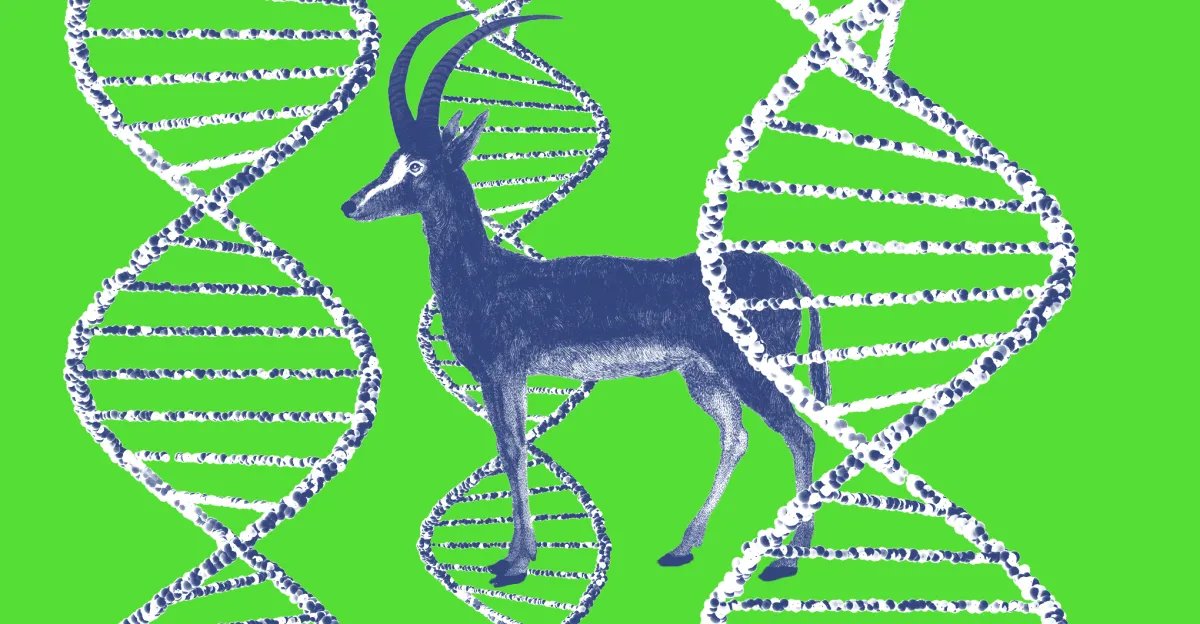
Colossal’s recent project focuses on the bluebuck, an antelope extinct since the early 19th century. CEO Ben Lamm highlights that the technological advancements made can contribute directly to conservation efforts. He touts a technique for harvesting immature eggs from living animals as a significant breakthrough. This method, called “ovum pickup,” allows researchers to collect eggs in a less invasive way. While some experts, like ecologist Douglas McCauley, remain skeptical of Colossal’s approach, they acknowledge the potential benefits of these techniques. The balancing act between engaging the public’s imagination and addressing immediate conservation needs remains a contentious issue.
Diverting Attention from Existing Crises
Critics question whether Colossal’s flashy de-extinction announcements distract from urgent conservation needs. Many argue that focusing on resurrecting the past diverts funding and public attention from endangered species facing imminent extinction today. McCauley views the recent dire wolf presentation as a fabrication that detracts from pressing ecological issues.
While Colossal aims to create excitement around biodiversity, skepticism lingers. Many conservationists argue that the company’s focus on extinct species risks overshadowing the more severe reality of current extinction crises. They suggest that researching and applying advanced reproductive technologies should prioritize existing species rather than focusing energy on the past.
Colossal maintains that excitement generated by their work can inspire new interest in science and conservation. This belief hinges on the hope that technological advancements might be shared broadly for current conservation efforts. However, it also raises ethical questions about the best use of resources in an era when many animal species are on the brink of extinction. Balancing innovation in science with the imperative needs of current ecosystems presents a challenge that Colossal and others must navigate carefully.
Expand Your Tech Knowledge
Explore the future of technology with our detailed insights on Artificial Intelligence.
Access comprehensive resources on technology by visiting Wikipedia.
TechV1
