

Quick Takeaways
- New anti-counterfeit labels are smartphone-verified, durable, and easy to produce.
- Labels respond to light and temperature, producing unique optical signatures.
- Smartphone detection uses machine learning for 97.5% accuracy in verification.
- This technology could make counterfeit detection accessible for all supply chain stages.
A New Era in Spotting Fake Products
Counterfeit goods pose a growing threat to many industries. From luxury brands to pharmaceuticals, fake products cost companies billions each year. Traditional security features like holograms, QR codes, and RFID tags help fight fakes. However, these methods often require expensive equipment to verify authenticity. Only specialized scanners or proprietary hardware can do the job. This limits widespread use and makes verification difficult for most people.
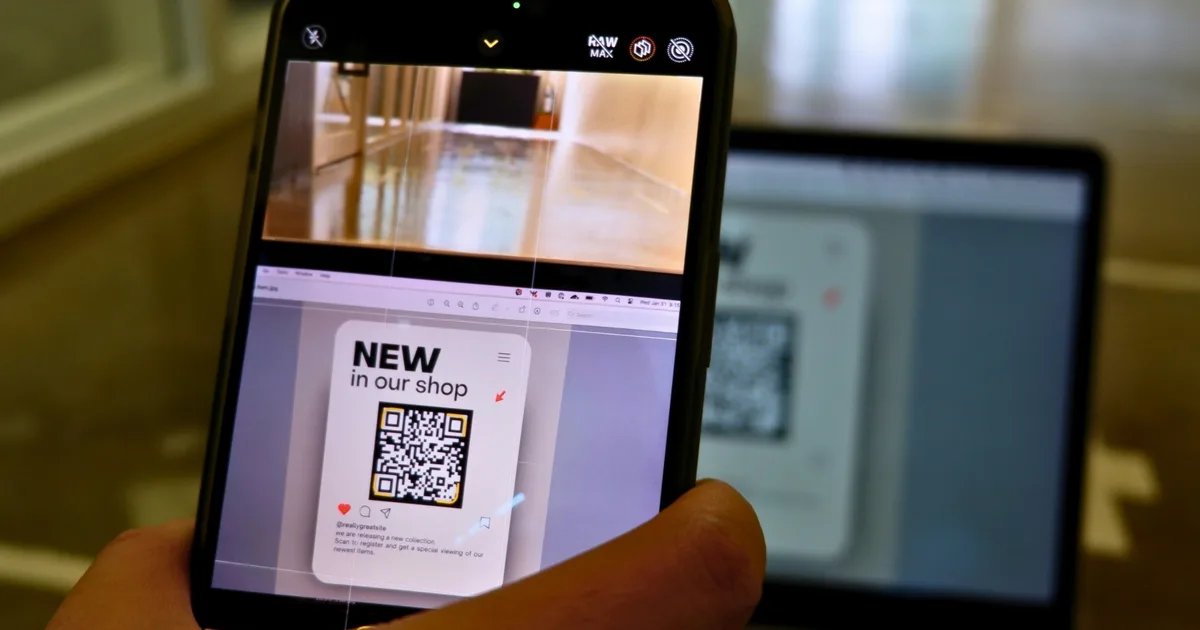
A new technology aims to change that. Researchers have developed a printing system that creates responsive anti-counterfeit labels. These labels respond to light and temperature. They can be checked using just a smartphone. The result is a more accessible, durable, and scalable solution. The labels contain microcapsules that change color or optical signature based on environmental conditions. When combined with a smartphone detector and machine learning, the system can verify a product’s authenticity with nearly 97.5% accuracy.
Making Fake Detection Practical for Everyone
This innovation addresses one of the biggest challenges with anti-counterfeit systems: accessibility. Today’s advanced security features often require costly hardware. This limits the number of people who can verify a product’s authenticity. The new smartphone-based system is different. Almost everyone carries a smartphone. With this technology, consumers, retailers, and supply chain participants can verify products quickly and easily.
Durability also matters. The labels are designed to withstand heat, humidity, and cold storage. Researchers used nanotechnology to strengthen the microcapsules. The ink used in printing is safe and suitable for high-speed manufacturing. Tests show the labels can retain color and clarity even after rigorous conditions. This means they can last through complex supply chains and demanding environments.
The potential for mass adoption is high. If manufacturers integrate this printing process into their lines, anti-counterfeit labels could become more common. As a result, verifying products may shift from complicated procedures to a simple task—done with a smartphone in your hand. This could make real authentication faster, easier, and more widespread, helping everyone spot fakes more effectively.
Stay Ahead with the Latest Tech Trends
Learn how the Internet of Things (IoT) is transforming everyday life.
Discover archived knowledge and digital history on the Internet Archive.
TechV1
