

Top Highlights
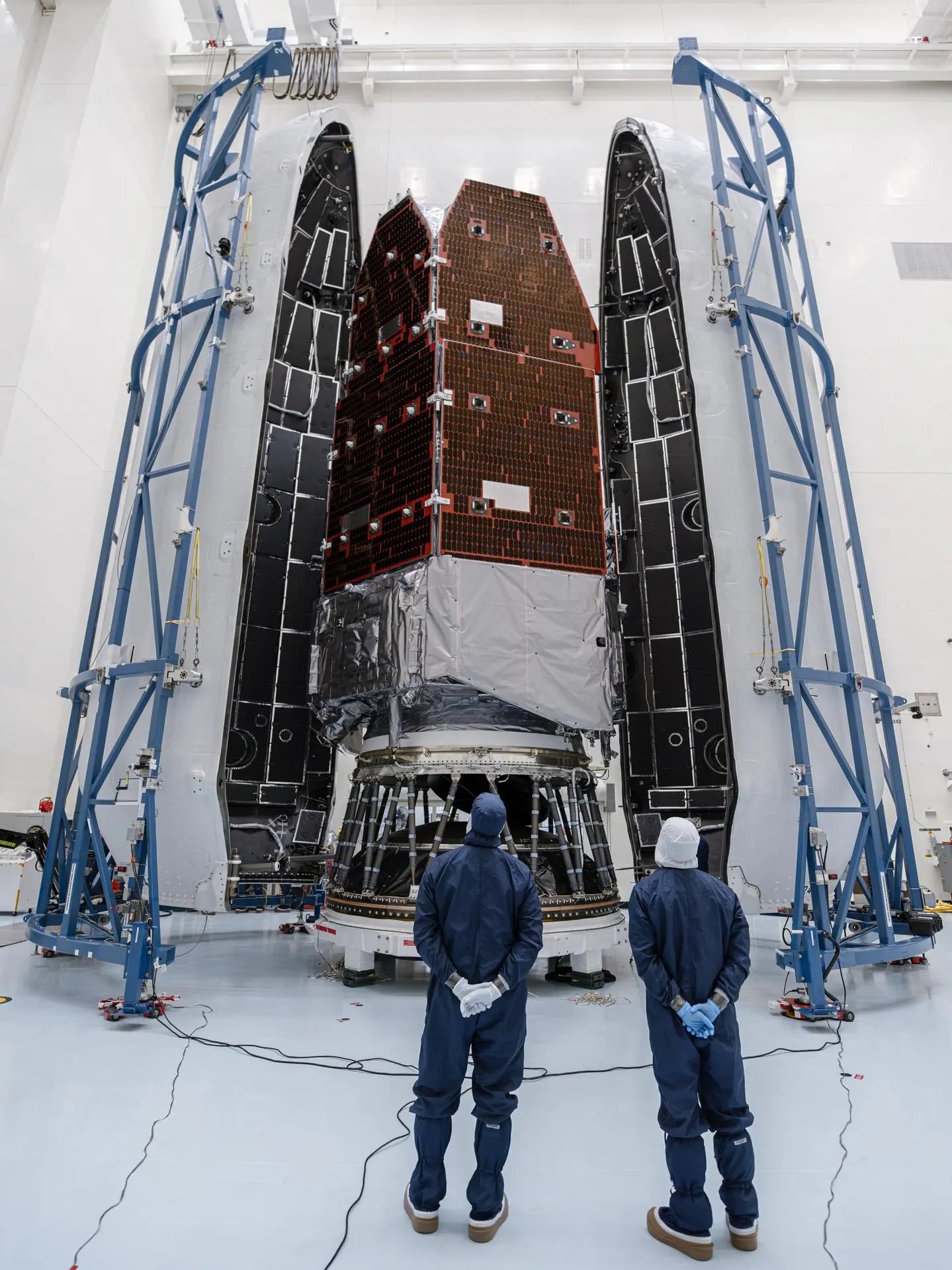
NASA’s Roman Space Telescope prepares for launch on August 30 from Kennedy.
It will explore dark energy, exoplanets, galaxies, black holes, and more.
Roman will reach the L2 point after launch, operating up to 10 years.
Prelaunch briefings, launch coverage, and interviews are scheduled for August 29-30.
NASA Sets Coverage for Roman Space Telescope Launch from Florida
NASA is preparing for the launch of its next-generation space observatory, the Nancy Grace Roman Space Telescope. The agency has announced detailed plans to cover all prelaunch and launch activities, which will take place from Florida’s Kennedy Space Center. The Roman telescope aims to uncover some of the universe’s biggest mysteries, including dark energy, dark matter, and the origins of galaxies.
The launch is scheduled for no earlier than 7:26 a.m. EDT on Sunday, August 30. It will take place aboard a SpaceX Falcon Heavy rocket from Launch Complex 39A at Kennedy Space Center. Live coverage of the event begins at 6:20 a.m., giving viewers a chance to follow every moment leading up to lift-off.
Coverage Details and Key Events
NASA has set multiple events for media and the public to follow. On Saturday, August 29, a series of briefings and news conferences will be held at Kennedy Space Center. At 9 a.m., a Mission Science Briefing will feature NASA scientists discussing the telescope’s goals, capabilities, and expected discoveries. This session, held in the Kennedy Press Site auditorium, will include questions from journalists, either in person or via phone.
At 10:30 a.m., the Prelaunch News Conference will feature top NASA officials, including Nicky Fox and Lucas Paganini. SpaceX representatives, including Julianna Scheiman, will also participate. Media interested in attending or asking questions must contact the Kennedy Space Center newsroom at least one hour before each event.
The day also includes a special live flyby of the Roman Space Telescope and Falcon Heavy by NASA Administrator Jared Isaacman in his jet. This visual will be streamed during the prelaunch briefing and is subject to weather conditions.
On Sunday morning, coverage begins at 6:20 a.m., with the launch set for 7:26 a.m. The event will be streamed through NASA’s website and other online platforms. After liftoff, a postlaunch news conference will be held at around 9:30 a.m., featuring key project leaders and NASA officials. For those unable to watch live, audio-only streams will be available through NASA’s V circuits and amateur radio frequencies.
Public viewers can also attend virtually through NASA’s Virtual Guest Program. This platform offers resources, launch notifications, and a digital passport stamp following the event. Social media updates and hashtags will help spread excitement, with NASA encouraging followers to share their engagement on platforms like X, Facebook, and Instagram.
What the Roman Space Telescope Will Do
Named after NASA’s first chief astronomer, the Nancy Grace Roman Space Telescope combines high-resolution infrared imaging with a wide field of view—at least 100 times larger than the Hubble Space Telescope. Its advanced capabilities will enable sweeping surveys of the universe, providing critical data to study dark energy and dark matter. Scientists will also use Roman to discover and analyze exoplanets, map billions of galaxies, investigate black holes, and explore objects within our solar system out to the universe’s edge.
Once launched, Roman will travel to a point known as L2, about one million miles from Earth. There, it will perform its science operations for a primary five-year mission, with plans to extend its work for up to 10 years. All data collected will be made publicly available after processing, fostering collaboration among scientists worldwide. This mission will not only deepen our understanding of cosmic phenomena but also showcase NASA’s ongoing commitment to technological innovation and exploration.
Discover More Technology Insights
Stay informed on the revolutionary breakthroughs in Quantum Computing research.
Stay inspired by the vast knowledge available on Wikipedia.
Space
