

Summary Points
- Samsung is developing CTG glass to eliminate screen crease in foldables.
- Thinner etched center allows easier folding and improved durability.
- Challenges include visible step and optical differences between glass sections.
- Final decision on CTG use is pending, possible in Galaxy Z9 by 2027.
Advancements in Foldable Glass Technology Could Eliminate the Crease
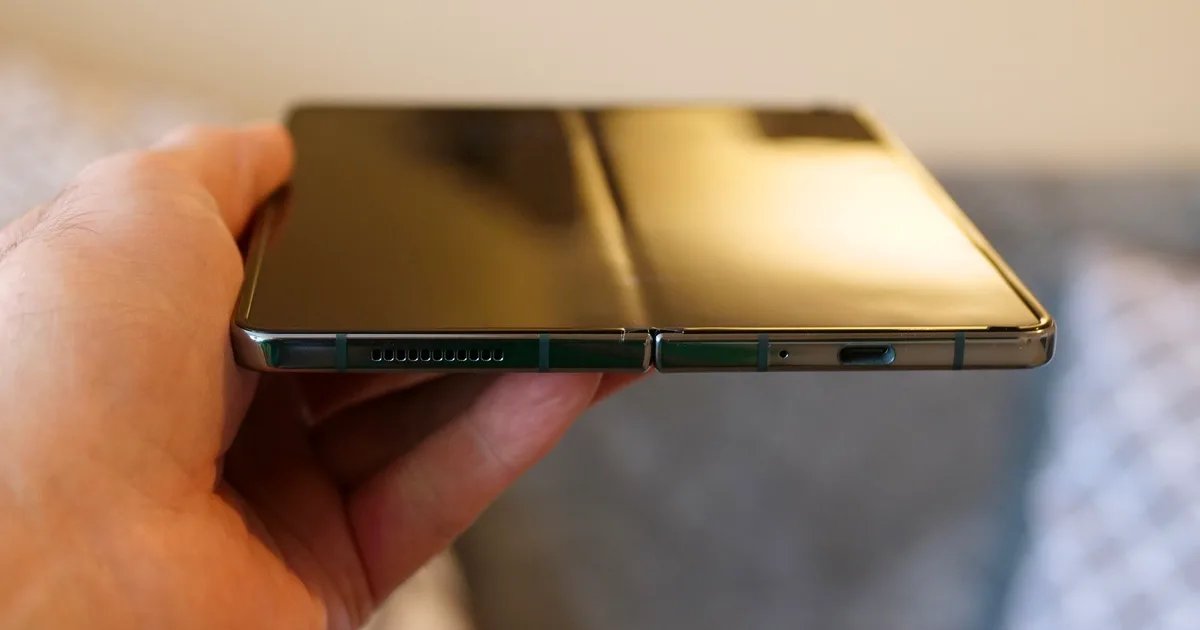
Samsung may soon make foldable screens look smoother and more durable. The company is developing a new type of glass called Center-Etched Thin Glass (CTG). This glass partially etches the fold area, leaving it thinner than the rest of the screen. With this design, the fold could become less visible and feel more natural. Samsung aims to reduce the stress on the fold, which causes creases to deepen over time. The thinner section would bend easily, while the thicker areas stay strong and flat. This innovation could arrive in Galaxy Z9 foldables as early as 2027. It promises a clearer, more seamless display that could improve user experience significantly.
Samsung’s current approach uses special materials like titanium to strengthen the fold and minimize creases. The new CTG tech could enhance this by reshaping the glass itself, making the fold more flexible and durable. However, switching between two glass thicknesses could create a visible or tactile line on the screen. Samsung is working on a filler that will smooth out this transition. Still, it needs to match the optical properties of the glass to avoid visual discrepancies. The company has not decided whether to use this technology in upcoming devices. Its adoption will depend on how well the tech performs in real-world testing.
Balancing Innovation with Practicality and User Expectations
The push for foldable displays to become more sleek and durable reflects real user demand. Consumers want screens that not only fold smoothly but also resist damage over time. Samsung’s efforts to perfect the glass and hinge mechanisms show how tech companies continuously refine foldable devices. Still, adopting new glass tech involves challenges. The transition layer must look and feel seamless, or it risks disrupting the user experience. The timeline for wider adoption remains uncertain, as Samsung weighs the benefits against technical hurdles.
These advancements could lead to smartphones that fold more naturally and last longer. At the same time, they raise questions about manufacturing costs and the complexity of production. Whether the tech hits the market by 2027 or faces delays, it marks an important step in foldable display evolution. As Samsung explores new ways to strengthen and hide the fold, consumers can expect future devices to become even more refined and resilient.
Continue Your Tech Journey
Explore the future of technology with our detailed insights on Artificial Intelligence.
Access comprehensive resources on technology by visiting Wikipedia.
TechV1
