

Essential Insights
-
Shocking Diagnosis: Matt Hillier, despite being young and healthy, discovered he had moderate sleep apnoea after a friend highlighted his loud snoring, contrasting the common stereotype of older, overweight sufferers.
-
Rising Epidemic: An estimated 15 million people in the UK snore, with expert concerns that chronic snoring can lead to serious health issues like high blood pressure and cardiovascular problems, reflecting a broader epidemic linked to pollution and obesity.
-
Undiagnosed Cases: Up to 90% of individuals with sleep apnoea remain undiagnosed, often dismissing symptoms like fatigue and irritability as normal, with women particularly underreporting their experiences.
-
Emerging Solutions: While CPAP machines are the current standard treatment, innovations like nerve implants and lifestyle modifications (such as positional therapy) show promise for managing snoring and sleep apnoea more effectively.
Snoring Epidemic: More Than Just a Nuisance
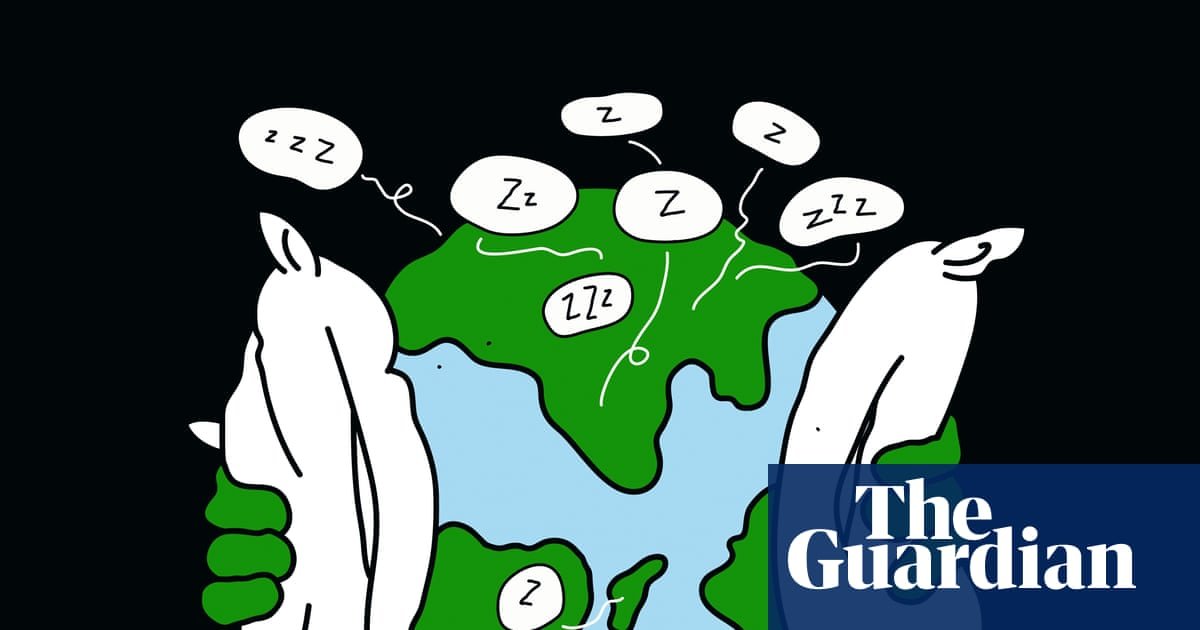
Reports suggest we might be in the grip of a snoring epidemic. Experts warn that these nightly noises could point to serious health issues. Many people snore occasionally, but chronic snoring has surged in recent years. This climb correlates with rising pollution levels and obesity trends.
When Matt Hillier was in his 20s, he went camping with a nurse friend. In the morning, she told him it was the loudest snoring she had heard. “I didn’t think it was a big deal until I turned 30,” Hillier recalls. After one night of particularly intense snoring, he sought medical advice. Tests revealed he had moderate sleep apnea, a condition that stops breathing during sleep. It’s a surprising diagnosis for someone who thought he was healthy.
Experts from the British Snoring & Sleep Apnoea Association estimate approximately 15 million people in the UK snore regularly. Unfortunately, many don’t realize snoring can be linked to significant health risks, including high blood pressure and heart disease. Professor Ama Johal emphasizes the need to connect the dots: “People often joke about snoring instead of seeking help.”
A key difference exists between snoring and sleep apnea. Snoring occurs when airways become blocked during sleep, resulting in noises. Sleep apnea involves frequent interruptions in breathing. While snorers face discomfort, those with apnea face more severe health threats, including a heightened risk of stroke.
The current mood surrounding snoring is shifting. New technologies like snore-monitoring apps and sleep tracking devices have emerged. For instance, SnoreLab allows users to assess their snoring severity. These advancements offer insights into personal health and can encourage users to seek treatment.
Research highlights various factors contributing to this increase. Rising temperatures may disrupt sleep and exacerbate snoring. Pollutants can irritate airways, leading to inflammation. Even lifestyle choices, like alcohol and smoking, can worsen the problem.
Genetics play a role too. Some people have anatomical features that predispose them to snoring. However, it’s not just about body type. Changes in global health trends mean more people are affected. As Professor Ryan Cheong notes, “The world is aging, and our society is getting heavier.”
Recognizing the problem is vital. Many people fail to identify symptoms, mistaking tiredness or headaches for daily fatigue. Interestingly, women often endure different symptoms, leading to underreporting. This demographic faces challenges and stigma that discourage them from seeking help.
Treatment options vary but remain limited. Continuous Positive Airway Pressure (CPAP) machines serve as standard treatment but can be uncomfortable and costly. Newer solutions like nerve implants show promise, especially since they offer a more straightforward application for patients. Researchers are even developing medications to strengthen upper airways.
Despite these advancements, experts urge caution. If snoring disrupts your life or that of your partner, consult a healthcare professional. Lifestyle changes can also provide relief; simple adjustments in sleep position or room temperature may reduce snoring.
As awareness spreads, it’s clear that this issue transcends personal health. It links directly to broader societal challenges like pollution and climate change. The snoring epidemic underscores our need for long-term solutions not just in healthcare, but in how we interact with our environment.
Stay Ahead with the Latest Tech Trends
Dive deeper into the world of Cryptocurrency and its impact on global finance.
Access comprehensive resources on technology by visiting Wikipedia.
FashionTechV1
